
Commercial Property Insurance Coverage: What’s Covered?
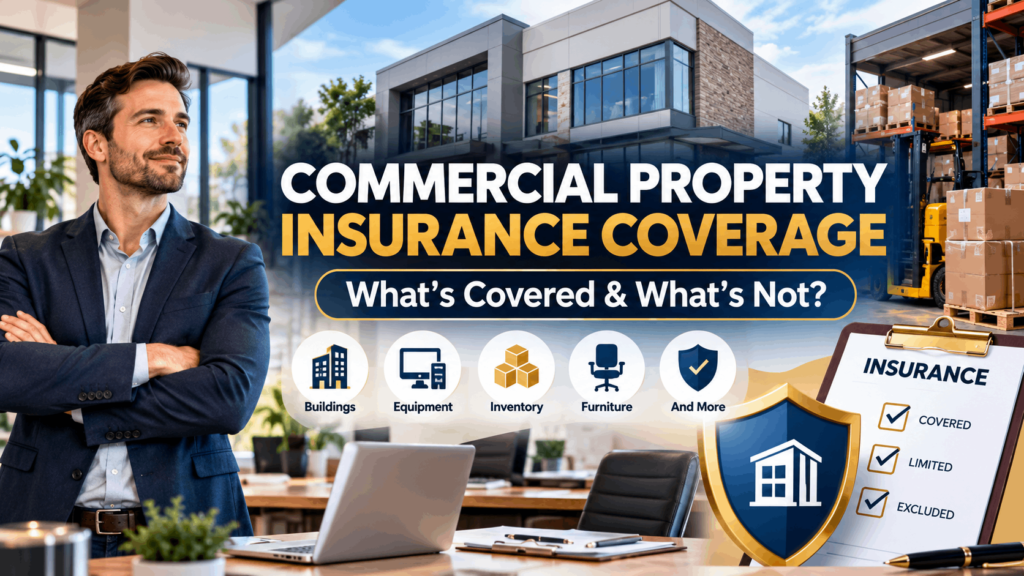
Commercial Property Insurance Coverage: What’s Covered and What’s Not? Commercial property insurance coverage helps protect the physical assets a business depends on when covered damage or loss occurs. Buildings, equipment, inventory, furniture, computers, and other business property can represent a major investment. Without appropriate protection, repairing or replacing those assets could create a serious financial burden. However, commercial property insurance does not cover every type of loss. Coverage depends on the policy, limits, deductibles, exclusions, endorsements, property values, and cause of damage. For U.S. business owners, understanding these details is an important part of managing risk. HHAS Insurance Services offers business insurance solutions that include commercial property insurance and other forms of business protection. What Is Commercial Property Insurance Coverage? Commercial property insurance helps protect insured business property from covered causes of loss. Depending on the policy, covered property may include: The U.S. Small Business Administration identifies commercial property insurance as an important option for businesses with significant physical assets. Its guidance notes that this coverage can protect company property from losses caused by various covered events. Read the SBA guidance on business insurance. Coverage varies by policy. Therefore, business owners should read their policy carefully instead of assuming every asset or event receives protection. What Does Commercial Property Insurance Cover? A commercial property insurance policy can cover several categories of physical business assets. HHAS explains on its Business Insurance page that commercial property insurance can address risks involving an organization’s buildings and personal property. The exact protection depends on the policy you select. Business Buildings If your company owns its building, commercial property insurance may protect the insured structure against covered causes of loss. Coverage may help with eligible repair or replacement costs after a covered event. However, limits, deductibles, valuation provisions, and other policy conditions apply. Businesses that lease their locations also need to understand their responsibilities. A landlord’s policy should not automatically be assumed to cover a tenant’s inventory, equipment, furniture, or other business property. Equipment and Machinery Equipment often plays a central role in daily operations. Depending on the business, property may include: Coverage limits should reflect the equipment your business actually owns and depends on. Furniture and Fixtures Desks, chairs, shelving, cabinets, fixtures, and other furnishings can represent a substantial investment. Commercial property coverage may help protect eligible insured items when a covered event damages them. Business Inventory Businesses that sell physical products should also consider their inventory exposure. A major inventory loss can create replacement expenses while reducing the company’s ability to generate sales. Therefore, keep accurate inventory records and regularly review whether your coverage limits reflect current inventory values. Computers and Technology Most modern businesses depend on technology. Commercial property insurance may protect certain physical computer equipment against covered property losses. However, physical property coverage and cyber insurance address different risks. For example, physical damage to a computer is different from a data breach or cyberattack. What Events May Commercial Property Insurance Cover? Coverage depends on the policy form and its specific terms. According to the National Association of Insurance Commissioners, business property policies can provide protection against covered events such as fire, lightning, windstorms, hail, explosions, and other specified causes of loss. Some policies provide broader protection than others. As a result, two policies called “commercial property insurance” may not provide identical protection. Always review the covered causes of loss and exclusions before purchasing a policy. What Commercial Property Insurance May Not Cover Understanding exclusions is just as important as understanding covered property. A standard policy may exclude or limit certain losses. Exact exclusions depend on the contract. Flood Damage Standard commercial property policies may exclude flood damage. Businesses with meaningful flood exposure may need separate flood insurance or another appropriate form of protection. Therefore, never assume every type of water damage is automatically covered. Earthquakes and Earth Movement Earthquakes and certain types of earth movement may also require separate coverage or an endorsement. Businesses located in areas with earthquake exposure should specifically review how their policy handles this risk. Normal Wear and Tear Insurance generally protects against covered losses rather than normal deterioration. For example, equipment that simply wears out after years of use may not create a covered property claim. Regular maintenance remains the responsibility of the business. Certain Equipment Breakdowns A commercial property policy may not cover every mechanical or electrical equipment failure. Companies that rely on specialized machinery should ask whether equipment breakdown coverage is appropriate. Business Vehicles Business-owned cars, vans, and trucks generally require commercial auto insurance rather than commercial property coverage. HHAS also identifies commercial auto as a separate form of protection on its Business Insurance page. Employee Theft and Crime The circumstances surrounding theft can affect coverage. Certain employee-related losses may require crime or employee-dishonesty protection. Businesses whose employees handle cash, inventory, equipment, or valuable property should examine this risk carefully. Commercial Property Insurance Coverage and Business Interruption Property damage can create two separate financial problems. First, the company may need to repair or replace damaged assets. In addition, physical damage may prevent the business from operating normally. Commercial property insurance primarily addresses covered physical property losses. Business interruption or business income insurance can address certain financial consequences of a covered shutdown. The NAIC’s business interruption guidance explains that business interruption insurance may help businesses manage monetary losses during periods of suspended operations when a covered event causes physical property damage. For some small businesses, these protections may be packaged together through a Business Owner’s Policy. HHAS offers additional information about this option on its Business Owner’s Package (BOP) Insurance page. Commercial Property Insurance Cost: What Affects Your Premium? Commercial property insurance cost varies between businesses. Insurers consider several factors when evaluating risk and determining premiums. These may include: For example, a small professional office may have very different property risks from a restaurant, warehouse, retailer, or manufacturer. Therefore, generic price estimates may not accurately reflect what your business will pay. How Property Location Can Affect Cost Location can influence both risk and pricing.
Health Insurance for Business Owners Cost: What to Expect
Health Insurance for Business Owners Cost: What Should You Expect to Pay? Health insurance for business owners cost depends on several factors, including location, age, business structure, plan type, family coverage, and whether your company has employees. There is no single monthly price that applies to every U.S. business owner. Therefore, comparing both premiums and potential out-of-pocket expenses is important when choosing coverage. A self-employed owner without employees will usually explore individual health insurance. Meanwhile, an eligible small business with employees may consider group coverage. Understanding this difference can help you compare options that fit your business and budget. HHAS Insurance Services helps individuals and businesses explore insurance solutions based on their coverage needs. Understanding Health Insurance for Business Owners Cost Health insurance expenses involve more than the monthly premium. Your deductible, copayments, coinsurance, provider network, prescription benefits, and out-of-pocket maximum can also affect your total spending. For example, one plan may offer a lower monthly premium but have a higher deductible. Another plan may charge more each month while offering a different cost-sharing structure. As a result, business owners should compare the complete financial picture rather than focusing only on the premium. How Much Is Health Insurance for Business Owners? People searching how much is health insurance for business owners often want a simple monthly figure. However, actual costs depend on individual circumstances and available plans. Several factors may affect what you pay: Because these factors vary, a national estimate may not accurately represent your situation. Instead, compare plans available where you live and examine both monthly premiums and potential out-of-pocket costs. What Affects Health Insurance for Business Owners Cost? Several factors can influence the cost of health insurance for a business owner. Business and Employee Structure Your employee situation can determine which type of health insurance you should explore. According to HealthCare.gov’s guidance for self-employed people, people who run businesses without employees can use the individual Health Insurance Marketplace. This category can include freelancers, consultants, independent contractors, and other self-employed workers. However, your options can change when your business has qualifying employees. Therefore, determine your eligibility before comparing plans. Location Health insurance availability varies by location. Plans offered in one state or ZIP code may differ from those available elsewhere. Provider networks and premiums can vary as well. Consequently, business owners should compare options available specifically in their area. Age Age can affect health insurance premiums under applicable individual and small-group market rules. For that reason, two business owners in the same area may see different premiums even when considering similar coverage. Coverage Level Health plans divide costs between the insurer and member in different ways. A lower-premium plan may require you to pay more when you receive healthcare. In contrast, another plan may have a higher monthly premium but a different deductible and cost-sharing structure. Consider your expected healthcare use when comparing these options. Family Coverage Adding a spouse or dependents can change your total premium. If you need family coverage, compare the complete household cost instead of looking only at individual coverage. Affordable Health Insurance for Business Owners Finding affordable health insurance for business owners does not necessarily mean selecting the lowest monthly premium. Instead, consider the overall value of the plan. Compare: A lower premium may look appealing initially. However, higher deductibles or other out-of-pocket costs could make another plan more suitable for your needs. Health Insurance for Self-Employed Business Owners Self-employed business owners without employees generally use the individual market rather than small-business group coverage. HealthCare.gov explains that self-employed individuals can use the Marketplace to enroll in individual health insurance. In addition, completing a Marketplace application can show whether an applicant qualifies for premium tax credits or other savings. This option can apply to freelancers, independent contractors, consultants, and other self-employed individuals without employees. However, hiring qualifying employees can change the coverage options available to your business. Private Health Insurance for Business Owners Private health insurance for business owners provides another area to explore when comparing coverage. Before choosing a plan, review: Also consider whether you could qualify for Marketplace financial assistance before choosing an off-Marketplace option. Most importantly, compare the complete coverage rather than relying only on the advertised monthly premium. Group Health Insurance for Business Owners Group health insurance for business owners becomes relevant when a company has qualifying employees. The federal government’s small-business health insurance guidance explains that group plans can provide coverage to eligible employees. Businesses may obtain group insurance through private insurance companies or explore the Small Business Health Options Program when eligible. The SHOP program generally serves eligible businesses with 1–50 employees. Employers using SHOP can also choose how much they contribute toward employee premiums. Therefore, group health insurance costs depend on the selected plan, employee enrollment, employer contributions, and other factors. Individual vs. Group Health Insurance Understanding the difference between individual and group coverage can simplify your search. Individual Health Insurance Individual coverage may fit business owners who: HealthCare.gov explains that businesses without employees other than owners or their spouses generally do not qualify for SHOP coverage. Group Health Insurance Group coverage may fit businesses that: Your business structure and employee situation should guide this decision. Can Business Owners Get Marketplace Savings? Some self-employed business owners may qualify for financial assistance when purchasing Marketplace coverage. HealthCare.gov states that self-employed applicants can learn whether they qualify for premium tax credits and other savings by completing a Marketplace application. Eligibility depends on applicable requirements and household circumstances. Because self-employment income can change, keep your Marketplace information current when required. Can Business Owners Deduct Health Insurance Premiums? Some eligible self-employed taxpayers may qualify for a federal self-employed health insurance deduction. The IRS guidance for Form 7206 explains that the form determines the amount of a self-employed health insurance deduction a taxpayer may be able to claim. Qualifying coverage can include medical, dental, and vision insurance, subject to IRS requirements and limitations. Tax situations differ from person to person. Therefore, review current IRS guidance or speak with a qualified tax
What Is the Best Dental Insurance for Individuals? 2026 Guide
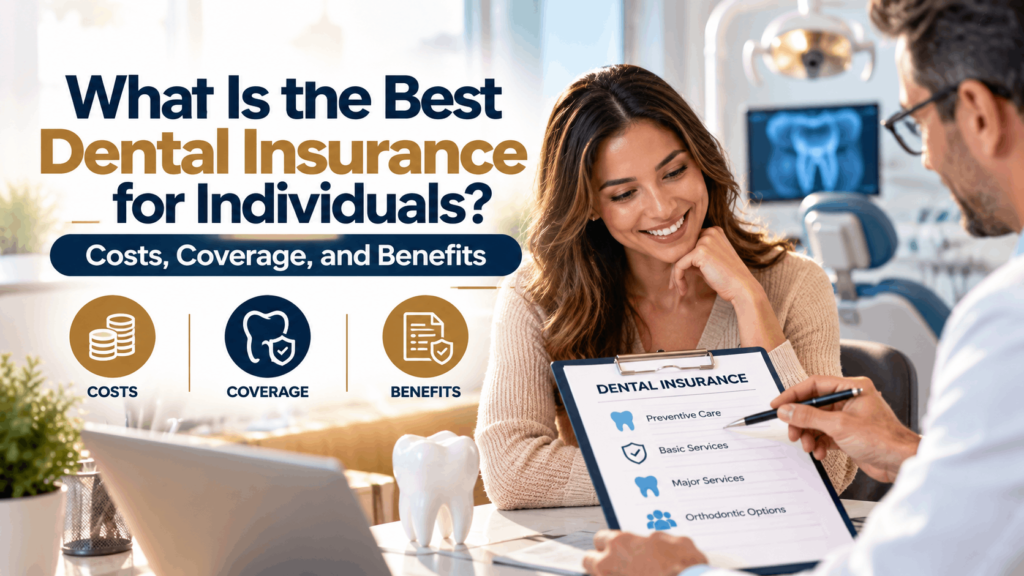
What Is the Best Dental Insurance for Individuals? Costs, Coverage, and Benefits What is the best dental insurance for individuals? The answer depends on your dental needs, budget, preferred dentist, and the type of care you expect to use. A plan that works well for someone who mainly needs preventive care may not provide the same value for a person expecting crowns, root canals, dentures, or other major services. For U.S. consumers, choosing dental insurance requires looking beyond the monthly premium. Deductibles, provider networks, covered services, waiting periods, annual limits, and your share of treatment costs can all affect the real value of a plan. HHAS Insurance Services offers dental insurance as part of its insurance solutions. Visit HHAS Insurance Services to learn more about available insurance options. What Is Dental Insurance for Individuals? Individual dental insurance helps pay for eligible dental care according to the terms of the plan. People may buy individual coverage when they do not receive dental benefits through an employer or when they need another option. Dental coverage can help with preventive or basic services such as exams, cleanings, X-rays, and fillings. Depending on the plan, coverage may also extend to more involved dental procedures. The National Association of Insurance Commissioners explains that individual dental policies can cover categories such as preventive care, restorative care, root canals, oral surgery, and other dental services. However, coverage levels and plan rules can differ. For that reason, always check the actual benefits before enrolling. What Is the Best Dental Insurance for Individuals Based On? There is no single dental plan that is automatically best for everyone. Instead, the best dental insurance for individuals is usually the plan that offers a useful balance between cost, coverage, provider access, and the dental services you expect to need. Several factors deserve close attention. Monthly Premium The premium is the amount you pay to maintain coverage. A low premium can look attractive. However, it does not necessarily mean the plan offers the best overall value. Compare the premium with deductibles, copayments, coinsurance, covered procedures, and other costs. This approach gives you a more complete picture. Deductible A deductible is an amount you may need to pay toward covered services before certain plan benefits begin. Deductibles vary among plans. In addition, some services may receive different treatment under the policy. Before choosing coverage, find out which services are subject to the deductible and how the plan applies it. Provider Network Your dentist can play an important role in choosing a plan. If you already have a dentist you trust, check whether that provider participates in the plan’s network. Going outside the network may result in different costs or benefits, depending on the plan. The NAIC identifies several types of dental coverage, including dental PPOs, dental HMOs, and indemnity plans. These options can handle provider choice and costs differently. Therefore, consider provider access alongside price. What Does Individual Dental Insurance Cover? Coverage varies, so consumers should avoid assuming that every dental plan pays for the same services. Plans may divide dental care into different categories. Preventive Care Preventive services can include routine exams, cleanings, and certain X-rays. Many consumers use these services regularly. As a result, preventive coverage can be an important part of a dental plan comparison. Basic Dental Services Basic services may include treatments such as fillings or certain extractions. However, insurers can classify procedures differently. A service considered basic under one plan may receive different treatment under another. Always review the plan documents for exact details. Major Dental Services More involved procedures can include crowns, bridges, dentures, or other restorative treatment. Plans may cover these services differently from preventive or basic care. Your share of the cost may also be higher. If you expect major dental work, pay close attention to this section of the policy. Orthodontic Coverage Do not assume that every individual dental plan includes orthodontics. The NAIC notes that orthodontic benefits may involve separate coverage or riders in some dental policies. If braces or other orthodontic treatment matter to you or your family, confirm the coverage before enrolling. How Much Does Individual Dental Insurance Cost? There is no single national price that represents every individual dental insurance plan. Premiums and out-of-pocket costs depend on the plan, location, insurer, coverage structure, and other factors. That is why comparing only the monthly premium can be misleading. For example, one plan may have a lower monthly premium but require you to pay more when you receive certain services. Another may cost more each month while offering different coverage or cost-sharing. When comparing plans, consider your expected total cost, not only your premium. HealthCare.gov allows consumers to compare dental-plan details such as premiums, deductibles, copayments, and covered services when shopping through the Marketplace. Best Dental Insurance for Individuals in 2026: What Should You Compare? Consumers searching for the best dental insurance for individuals 2026 should focus on current plan information rather than older recommendations. Dental plans can vary by location and year. Current federal Marketplace data confirms that stand-alone individual dental plans are available for the 2026 plan year in areas served through the federal platform. When comparing 2026 options, focus on these areas: Looking at these factors together can provide a much better picture of value than simply choosing the lowest premium. Finding the Best Dental Insurance for Individuals 2026 Value The phrase best dental insurance for individuals 2026 value should not be interpreted as simply finding the cheapest policy. Value comes from the relationship between what you pay and what the plan provides. Suppose one plan has a very low premium but your preferred dentist does not participate in its network. Another plan may cost slightly more while giving you access to your dentist and stronger benefits for the procedures you expect. In that situation, the second option may offer more useful value despite its higher premium. Start with your actual dental needs. Then compare the plans available in your area. Dental PPO vs. Dental HMO Plan type can
Critical Illness Insurance Benefits: Coverage & Claims
Critical Illness Insurance Benefits: Coverage, Claims, and Key Considerations Critical illness insurance benefits can provide financial support after a person receives a diagnosis covered by their policy. Unlike traditional health insurance, critical illness coverage commonly pays a fixed benefit after a qualifying diagnosis rather than paying doctors or hospitals directly. Policyholders can then use the money according to the terms of their coverage and their financial needs. For families and individuals across the United States, a serious illness can affect more than medical bills. Everyday expenses may continue while someone receives treatment or takes time away from work. Critical illness insurance can add another layer of financial protection, but coverage varies by policy. Therefore, understanding covered conditions, benefit amounts, exclusions, claims, and tax considerations is important before choosing a plan. HHAS Insurance Services includes critical illness insurance among its insurance solutions. You can explore HHAS and its available insurance options through HHAS Insurance Services. What Is Critical Illness Insurance? Critical illness insurance is a type of supplemental coverage designed to pay benefits when an insured person meets the policy requirements for a specified serious illness. The National Association of Insurance Commissioners describes critical illness coverage as a form of specified-disease coverage. These policies commonly provide a lump-sum benefit when the insured receives a diagnosis for one of the major illnesses identified in the policy. That distinction matters. Critical illness insurance does not replace comprehensive health insurance. Instead, it can provide additional financial protection after a covered diagnosis. Each policy sets its own covered conditions, definitions, exclusions, benefit amounts, and other requirements. For that reason, consumers should review the actual policy rather than assuming every critical illness plan works the same way. How Critical Illness Insurance Benefits Work The basic concept is straightforward. A person purchases coverage with a specified benefit amount. If that person later receives a diagnosis that meets the policy’s definition of a covered critical illness and satisfies the other claim requirements, the insurer may pay the applicable benefit. Critical illness policies often provide benefits as a lump sum, although policy structures can vary. For example, imagine that someone receives a diagnosis listed in their policy. After reviewing the claim and confirming that the diagnosis meets the policy requirements, the insurer could approve the applicable benefit. The policyholder would then receive the payment according to the policy terms. However, simply having a serious medical condition does not automatically guarantee payment. The diagnosis must meet the definitions and conditions stated in the policy. What Does Critical Illness Insurance Cover? Critical illness insurance benefits coverage depends on the specific plan. Policies identify the illnesses and medical events that can qualify for benefits. They also explain how each covered condition must meet the insurer’s definition. The NAIC notes that critical illness coverage can apply to major illnesses specified in the policy, with examples that may include cancer, stroke, and multiple sclerosis. The exact list varies by plan. As a result, never assume that a condition qualifies simply because another insurer covers it. Before purchasing coverage, review: These details can be more important than the policy name itself. Critical Illness Insurance vs. Health Insurance Critical illness insurance and comprehensive health insurance serve different purposes. Health insurance generally helps pay for covered medical care according to the plan’s network, deductible, copayment, coinsurance, and other rules. Critical illness insurance works differently. It generally provides a predetermined benefit after a qualifying diagnosis or event under the policy. That means critical illness coverage should usually be viewed as supplemental protection, not as a replacement for major medical insurance. The additional benefit can give a household another financial resource during a difficult period. What Can Critical Illness Insurance Benefits Be Used For? One reason people consider critical illness coverage is the financial flexibility that a cash benefit can offer. Depending on the policy structure, a benefit may help a household manage costs associated with a serious illness as well as ordinary financial obligations. For example, someone facing a covered illness might have concerns about deductibles, household bills, transportation, childcare, or other expenses. However, consumers should verify how their specific policy pays benefits and whether any restrictions apply. The key point is that critical illness insurance addresses financial risk differently from traditional health insurance. It provides an additional benefit rather than simply duplicating standard medical coverage. Why Critical Illness Coverage Can Matter Health insurance can play a major role in paying covered medical expenses. Still, illness can create other financial pressures. A person undergoing treatment may need time away from work. Family members may also need to adjust schedules or travel. Meanwhile, mortgage or rent payments, utilities, groceries, transportation, and other bills continue. Critical illness coverage can provide another source of funds after a qualifying event. However, its value depends on the policy and the person’s financial situation. Consumers should consider existing health coverage, emergency savings, disability insurance, employer benefits, household income, and other resources before deciding how much supplemental protection they need. How Much Do Critical Illness Insurance Benefits Pay? There is no universal benefit amount for every policy. The amount depends on the coverage purchased and the terms of the contract. Some policies may provide different benefit structures for different conditions or events. Therefore, comparing policies only by premium can create an incomplete picture. A lower-cost policy may offer a smaller benefit or different covered conditions. Another policy could have broader or different terms at a different premium. Consumers should compare both cost and coverage before making a decision. How to Claim Critical Illness Insurance Benefits People researching how to claim critical illness insurance benefits should begin with their own policy and insurer because claim procedures can differ. Generally, the process starts after a diagnosis or medical event that may qualify under the policy. Review Your Policy First, check whether the diagnosed condition appears among the covered illnesses. Next, read the policy’s definition of that condition. Medical terminology matters because a policy may establish specific criteria that must be met before benefits become payable. Contact
Long Term Disability Insurance Cost: What Should You Expect to Pay?
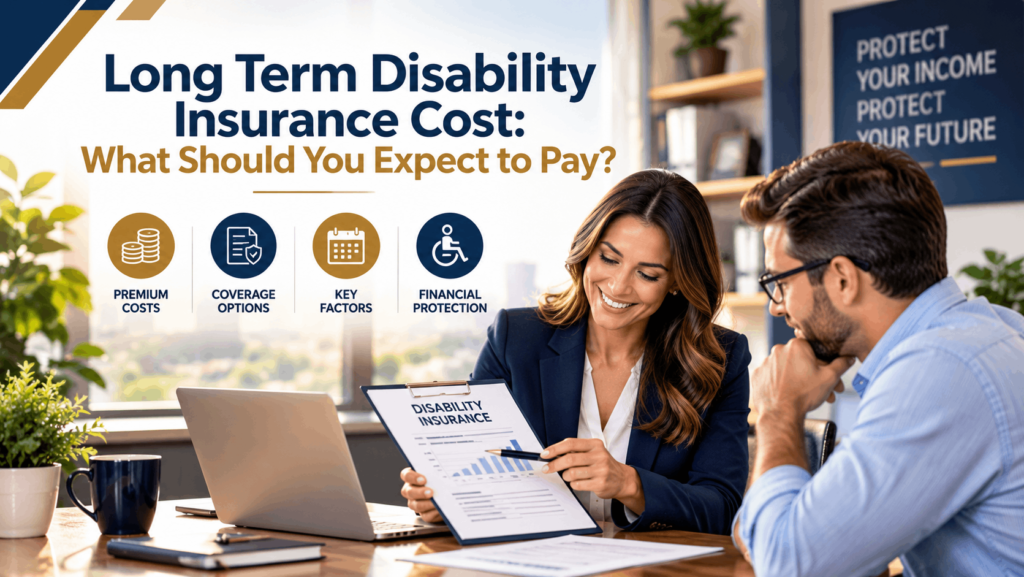
Long term disability insurance cost can vary significantly from one person to another. Your coverage choices, benefit amount, waiting period, benefit period, occupation, and other policy details can all influence what you pay. As a result, there is no single price that accurately represents every person looking for long-term disability insurance. For people who depend on regular income to cover housing, food, transportation, bills, and other expenses, understanding disability coverage can be an important part of financial planning. The goal is not simply to find the lowest premium. Instead, it is to understand what you receive for that premium and whether the policy fits your financial needs. HHAS Insurance Services offers disability insurance among its insurance solutions. Before choosing coverage, it helps to understand how disability insurance works and what can affect its cost. What Is Long Term Disability Insurance? Long-term disability insurance is designed to replace part of your income when a qualifying disability prevents you from working, subject to the terms of your policy. Policies can differ in important ways. For example, the definition of disability may vary from one policy to another. Some policies may focus on whether you can perform the duties of your occupation, while others may use a broader standard related to your ability to work. The National Association of Insurance Commissioners advises consumers to compare policy definitions, covered disabilities, benefit amounts, waiting periods, and benefit periods when evaluating disability insurance. That is why price should be considered alongside the actual coverage. How Much Does Long Term Disability Insurance Cost? People searching how much does long term disability insurance cost often hope to find one monthly figure. However, a universal price would not give an accurate picture. Insurance companies evaluate policies according to their own underwriting and pricing rules. Your selected benefits also affect the premium. For example, choosing a longer waiting period before benefits begin may reduce the premium. In contrast, selecting coverage that can provide benefits for a longer period may increase the amount you pay. The NAIC notes that longer waiting periods generally lower premiums, while shorter benefit periods can also reduce premiums. Therefore, the most useful way to determine your potential cost is to compare coverage based on your individual situation. What Affects Long Term Disability Insurance Cost? Several factors can influence long term disability insurance cost. Understanding them can make it easier to compare policies and see why two people may receive different quotes. Your Benefit Amount Disability insurance is designed to replace a portion of income rather than provide unlimited benefits. The amount of income protection you select can affect the premium. More coverage generally means the insurer takes on greater potential financial responsibility. Before choosing an amount, consider your essential monthly expenses and other income or financial resources that may be available if you cannot work. Your Waiting Period The waiting period, also called an elimination period, is the period you generally must satisfy before eligible benefits begin. A longer waiting period can reduce the cost of coverage because you agree to cover expenses yourself for a longer time before benefits may start. However, a lower premium is not automatically the better choice. Consider whether your savings could realistically cover your expenses during the waiting period. Your Benefit Period The benefit period determines how long a policy can pay eligible benefits under its terms. Available periods vary by policy. A longer benefit period can provide protection for a more extended disability, but it can also affect the premium. When comparing options, balance the cost against the length of protection you want. Your Occupation The type of work you perform can influence how an insurer evaluates disability risk. Someone who performs physically demanding work may face different occupational risks from someone who primarily works in an office. Insurers may therefore consider your occupation during underwriting. Be accurate when describing your job. A title alone may not fully explain what you do each day. Policy Features Additional policy features can also affect pricing. Depending on the insurer, consumers may have options that change how benefits work or expand certain protections. Each addition should serve a clear purpose rather than simply making the policy more expensive. Review what each feature does before deciding whether it belongs in your coverage. Average Long Term Disability Insurance Cost: Why Averages Can Mislead Searching for the average long term disability insurance cost can be useful as an early research step. However, an average does not tell you what your own policy will cost. Two people can choose different benefit amounts, waiting periods, benefit periods, and policy features. Their occupations and underwriting profiles may also differ. Consequently, comparing your quote with a broad online average may create the wrong expectation. A personalized quote provides more useful information because it reflects the coverage being considered for you. Instead of asking only, “What is the average price?” consider asking: Those questions help you evaluate value, not merely price. Long Term Disability Insurance Cost Per Month Many consumers prefer to think about long term disability insurance cost per month because monthly premiums are easier to compare with a household budget. Still, comparing monthly premiums alone can hide major differences between policies. Imagine that one option has a lower monthly premium but a longer waiting period or shorter benefit period. Another policy may cost more each month but provide different terms. The cheaper option is not automatically the right one. First compare the coverage. Then compare the premium required for that coverage. This approach gives you a clearer view of what you are actually buying. Short and Long Term Disability Insurance Cost Understanding short and long term disability insurance cost starts with recognizing that the two forms of coverage serve different time frames. Short-term disability insurance generally addresses a shorter period of lost income. Long-term disability coverage is intended for disabilities that continue for a longer period. According to the NAIC, short-term disability coverage typically replaces part of a policyholder’s salary for a limited period, while long-term coverage
Workers Comp for Small Business Owners: Costs & Coverage
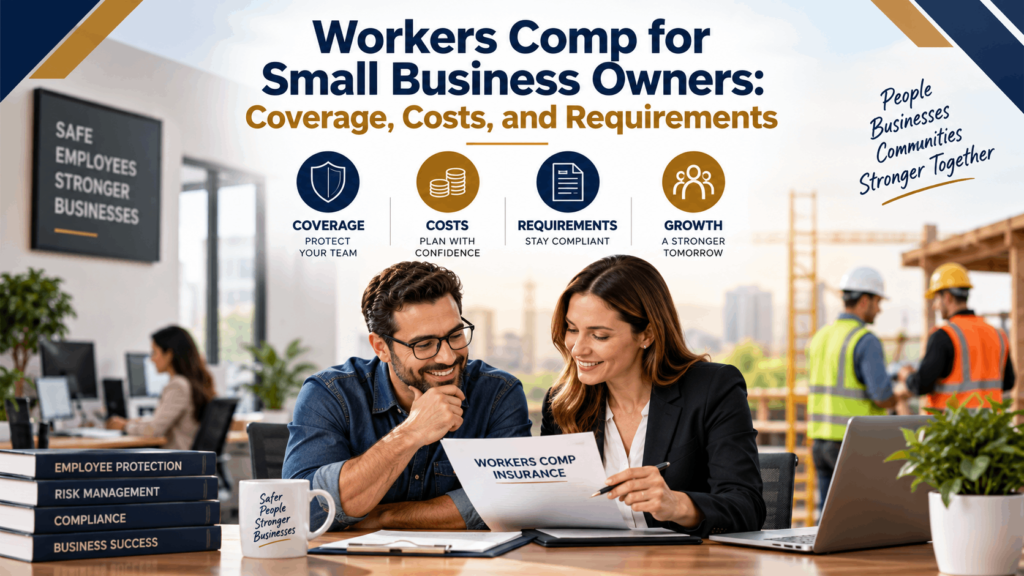
Workers Comp for Small Business Owners: Coverage, Costs, and Requirements Workers comp for small business owners becomes an important consideration when a company hires employees. This insurance can help employees after certain work-related injuries or illnesses. Requirements differ across the United States, so business owners need to understand the rules that apply where their employees work. Workers’ compensation also involves more than meeting legal requirements. Payroll, employee duties, workplace risks, claims history, and business location can all affect coverage and cost. HHAS Insurance Services helps businesses explore commercial insurance options, including workers’ compensation. Visit HHAS Insurance Services to learn more about business insurance options. What Is Workers Comp for Small Business? Workers comp for small business helps provide benefits when an employee suffers a qualifying work-related injury or illness. Benefits depend on state law and the details of the claim. They may include medical care and payments related to lost wages or disability. For example, California identifies medical care, temporary disability, permanent disability, supplemental job displacement, and death benefits among the benefits available in qualifying cases. Business owners can learn more from the California Department of Insurance Workers’ Compensation Guide. Workers’ comp differs from general liability insurance. General liability usually focuses on certain claims from customers or other third parties. Workers’ compensation focuses on employees and qualifying work-related injuries or illnesses. Because these coverages serve different purposes, a business may need both. Do Small Business Owners Need Workers Comp? Workers’ compensation requirements depend on the state, workforce, business structure, and type of work performed. Most private-sector workers’ compensation programs operate at the state level. As a result, a company with employees in several states may need to follow different rules in each location. The U.S. Department of Labor provides a directory of state workers’ compensation officials. Small business owners can use this resource to find the appropriate agency for their state. Growing companies should pay particular attention to these requirements. Hiring a first employee, expanding into another state, or changing business operations can affect insurance needs. Workers Comp Requirements Vary by State There is no single workers’ compensation rule that applies to every small business in the United States. Each state can set its own requirements. Rules may depend on employee count, industry, ownership structure, or other factors. Because of these differences, business owners should verify current requirements with their state workers’ compensation authority instead of relying on a general rule found online. California Workers Comp Requirements California shows why location matters. The California Department of Insurance explains that employers with one or more employees generally must carry workers’ compensation insurance. Special rules can also affect certain contractors and business owners. Ownership structure can make the situation more complex. Sole proprietors, partners, corporate officers, and LLC members may face different rules depending on their circumstances. Business owners operating in California can review current information through the California Department of Insurance. What Does Workers Comp Cover? Workers’ compensation can provide specific benefits after a qualifying work-related injury or illness. The exact benefits depend on state law and the claim. Medical treatment is one important area. Depending on the circumstances, an employee may also qualify for disability or wage-related benefits. In California, for example, workers’ compensation can include medical care, temporary disability, permanent disability, supplemental job displacement, and death benefits in qualifying cases. Coverage has limits and rules. Therefore, business owners should review their policy and state requirements rather than assuming every workplace injury or expense qualifies. Why Workers Comp Matters to Small Business Owners A workplace injury can create challenges for both the employee and the business. Workers’ compensation creates a system for handling qualifying work-related injuries and illnesses. It can help employees access covered benefits while giving employers a structured process for workplace claims. Many policies also include employers’ liability coverage. This coverage can address certain employee-related claims that fall outside workers’ compensation benefits, depending on the policy and applicable law. Small business owners should review these details carefully so they understand what their policy includes. Average Cost of Workers Comp for Small Business Owners researching the average cost of workers comp for small business may expect one standard price. In practice, premiums vary because every business has different employees, payroll, operations, and risks. The type of work employees perform can make a major difference. An office employee, for example, faces different workplace risks than a roofer, construction worker, or manufacturing employee. Insurance classifications help account for those differences. Payroll can also influence the premium. A growing company that hires additional employees may see its insurance needs and costs change. For these reasons, another company’s premium may not provide a useful estimate for your own business. What Affects Workers Comp Costs? Several business factors can influence workers’ compensation premiums. Payroll Payroll commonly plays a role in workers’ compensation pricing. When payroll increases or decreases, insurance costs may change as well. Business owners should keep payroll information accurate and review major changes with their insurance professional. Employee Job Duties The work each employee performs matters. Someone who works at a desk usually faces different risks than someone who uses heavy equipment or works on construction sites. Insurers use job classifications to account for these differences. Accurate job descriptions help insurers understand the work employees actually perform. Type of Business Industry and daily operations also affect risk. A retail store, accounting office, construction company, restaurant, and manufacturing business do not face identical workplace hazards. Consequently, insurance pricing can vary even when companies have similar numbers of employees. Claims History Past claims can influence how an insurer views a business. For that reason, owners should treat workplace safety as an ongoing responsibility. Clear safety procedures and employee training can also help a company manage workplace risks. Business Location Workers’ compensation systems vary by state. Rates, rules, benefits, and insurance markets can also differ. Business owners operating in multiple states should review each location separately rather than assuming one policy approach works everywhere. How to Get Workers Comp for Small Business If you
BOP Insurance for Small Business: Coverage, Cost & Benefits
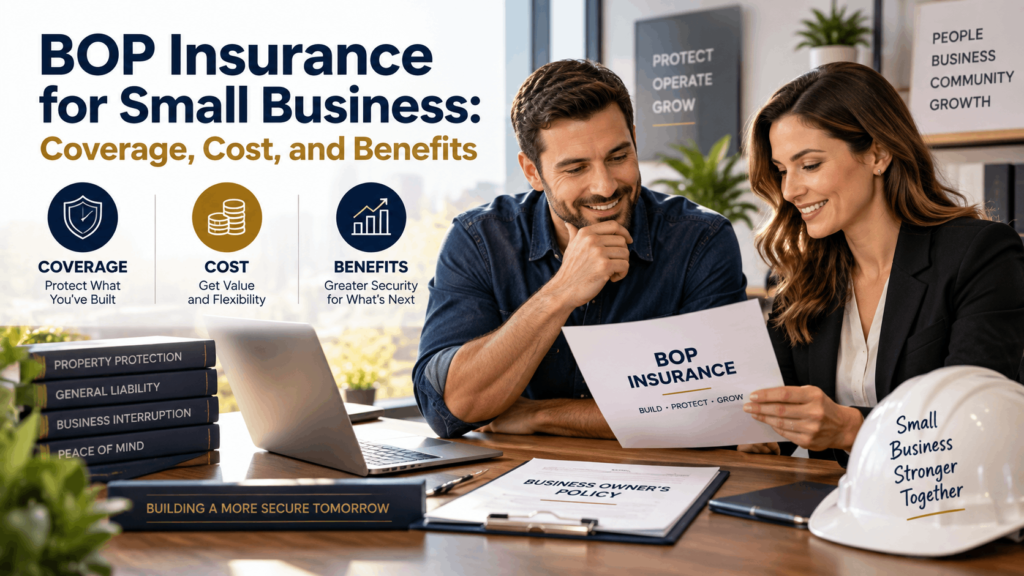
BOP Insurance for Small Business: Coverage, Cost, and Benefits BOP insurance for small business can make commercial insurance easier to understand by combining several important types of coverage into one policy. For many U.S. small business owners, a Business Owner’s Policy (BOP) can provide property and liability protection while simplifying the insurance-buying process. However, a BOP is not automatically right for every company. Eligibility, available coverage, exclusions, limits, deductibles, and pricing can vary. Therefore, understanding what a BOP covers—and what it may leave out—is important before choosing a policy. HHAS Insurance Services offers BOP insurance as part of its business insurance solutions. Small business owners can also request a business insurance quote from HHAS Insurance Services to explore coverage based on their specific operations. What Is BOP Insurance for Small Business? A Business Owner’s Policy is a commercial insurance package designed for qualifying small businesses. Rather than purchasing certain common coverages separately, a BOP combines them within one policy. The California Department of Insurance describes a BOP as a combination commercial policy that includes property, general liability, and business interruption coverage. The department also notes that BOPs have underwriting guidelines that determine which businesses qualify. Similarly, the U.S. Small Business Administration identifies a Business Owner’s Policy as an insurance package for small business owners that combines common coverage options. For business owners, this structure can make it easier to manage several common risks under one policy. What Does a Business Owner’s Policy Cover? Exact coverage depends on the insurer and policy. However, a BOP commonly brings together three important areas of business protection. General Liability Coverage General liability coverage can help address certain third-party claims involving bodily injury, property damage, and other covered liability risks. For example, suppose a customer visits your business and is injured in a covered accident. General liability coverage may apply, depending on the circumstances and policy terms. The U.S. Small Business Administration’s business insurance guidance also identifies general liability insurance as a common form of business coverage for risks such as bodily injury and property damage. Commercial Property Coverage Many small businesses depend on physical assets to operate. Depending on the policy, these assets may include equipment, inventory, furniture, fixtures, and other business property. Property coverage within a BOP can help protect covered business property against certain losses listed in the policy. However, covered causes of loss, exclusions, deductibles, and limits matter. Therefore, business owners should review exactly what property is insured and under what circumstances coverage applies. Business Interruption Coverage A serious covered property loss can affect more than your building or equipment. It may also interrupt normal business operations. Business interruption coverage, sometimes referred to as business income coverage, may help with certain financial losses when a covered event prevents a business from operating normally. However, this coverage is subject to policy terms, limits, waiting periods, and exclusions. As a result, owners should understand how their specific policy defines a covered interruption. What Is Usually Not Included in a BOP? Understanding what a policy does not cover is just as important as understanding what it includes. For example, the California Department of Insurance explains that business owner’s policies generally exclude commercial auto and workers’ compensation. Depending on your business, you may need separate policies or additional coverage for risks such as workers’ compensation, commercial vehicles, professional liability, or other specialized exposures. Furthermore, businesses should not assume every event affecting their property is automatically covered. Policy exclusions can be significant. Therefore, review the complete policy rather than relying only on the phrase “Business Owner’s Policy.” BOP Insurance for Small Business Owners: Who May Benefit? BOP insurance for small business owners is generally designed for qualifying smaller companies with common property and liability exposures. For example, certain offices, retailers, service businesses, and other qualifying operations may be candidates for a BOP. The California Department of Insurance lists examples such as hardware stores, barbershops, greeting card shops, accounting offices, and some apartment risks. However, qualification is not based simply on being a “small business.” Insurers may consider factors such as the type of business, location, property, operations, building characteristics, revenue, and other underwriting information. As a result, two similarly sized businesses may have different insurance options. What Are the Benefits of a BOP? One of the main advantages of a BOP is convenience. Instead of managing certain common commercial coverages separately, qualifying businesses can obtain them through one package. Another potential benefit is coordinated coverage. Property and liability risks are common concerns for many small companies, so combining them can make the insurance program easier to manage. The SBA also notes that a BOP can simplify the insurance-buying process. In addition, bundling common coverages may be financially attractive for some qualifying businesses. However, savings are not guaranteed. Actual pricing depends on the business, insurer, coverage, limits, deductibles, and underwriting factors. Therefore, the value of a BOP should be measured by both its price and how well the coverage matches the company’s risks. Average Cost of BOP Insurance for Small Business Business owners searching for the average cost of BOP insurance for small business often want a simple dollar amount. Unfortunately, one average price cannot accurately represent every business. Commercial insurance pricing depends on the characteristics of the individual risk. For example, the California Department of Insurance explains that commercial property ratings can consider factors such as building size, construction type, sprinkler protection, and fire protection classification. General liability ratings may use factors such as payroll, gross sales, or square footage, depending on the classification. Consequently, a small professional office and a retail business may receive different BOP quotes even if both are considered small businesses. Rather than relying only on an online average, consider requesting a quote based on your actual operations. What Factors Can Affect BOP Insurance Cost? Several factors may influence what a small business pays for a BOP. Your industry and operations matter because different businesses face different risks. Location can also affect exposure, while the value and type of business property
Business Insurance Cost: How Much Should You Expect to Pay?

Business insurance cost is one of the first things American business owners consider when shopping for coverage. However, there is no single price that applies to every company. Your industry, location, employees, payroll, property, vehicles, coverage limits, claims history, and selected policies can all affect what you pay. For example, a small consulting firm may have very different insurance needs from a construction contractor, restaurant, or retail business. Therefore, understanding the factors behind insurance pricing is more useful than relying on a single national estimate. The goal is not simply to find the lowest premium. Instead, business owners should look for coverage that fits their actual risks and budget. At HHAS Insurance Services, business owners can explore insurance options based on their operations and coverage needs. How Much Is Business Insurance? If you’re wondering how much is business insurance, there isn’t one universal answer. Instead, insurers consider several details about your company before determining a premium. For instance, an office-based company may face different risks from a general contractor working at construction sites. Likewise, a business that owns vehicles, equipment, or commercial property may need additional protection. The U.S. Small Business Administration’s business insurance guidance recommends assessing the risks your business faces before selecting coverage. It also notes that insurance requirements can vary by state. As a result, a personalized quote based on your actual business operations is generally more useful than a broad price estimate. What Determines Business Insurance Cost? Several factors can influence business insurance cost in the United States. Although insurers may evaluate risks differently, the following factors commonly matter. Your Industry and Business Activities First, consider the work your company performs. A professional consultant generally faces different risks from a construction company, manufacturer, restaurant, or retail store. Some companies operate mainly from offices, while others use equipment, visit job sites, drive commercial vehicles, or work on customer property. Because these activities create different exposures, your industry and operations can play an important role in insurance pricing. Where Your Business Operates Location can also affect insurance requirements and costs. Insurance laws vary across the United States. Therefore, business owners should understand the requirements in each state where they operate. California businesses can review the California Department of Insurance Commercial Insurance Guide for information about commercial property, general liability, commercial auto, workers’ compensation, Business Owner’s Policies, and other forms of commercial coverage. Furthermore, companies operating in several states may face different requirements in each location. Reviewing coverage as your company expands can help you identify changing insurance needs. Number of Employees and Payroll Your workforce may also affect insurance costs, especially when workers’ compensation is involved. For example, payroll, employee classifications, and the type of work performed can influence workers’ compensation premiums. Consequently, a company with office employees may have different considerations from one with workers performing physical jobs. As your team grows, review your insurance to ensure that your coverage reflects your current operations. Types of Coverage Business insurance is not necessarily one individual policy. Instead, your company may need several types of protection. Depending on the business, coverage may include: The California Department of Insurance explains that commercial insurance can address risks involving property damage, business interruption, theft, liability, and worker injury. However, not every business needs every type of coverage. Therefore, understanding your specific risks is an important part of evaluating insurance costs. Policy Limits and Deductibles Coverage limits and deductibles may also influence your premium. A coverage limit sets the maximum amount available under a policy, subject to its terms and conditions. Meanwhile, a deductible is the amount you may need to pay before certain coverage applies. Changing these amounts may affect pricing. However, choosing limits or deductibles based only on the lowest premium could increase your financial exposure after a loss. Therefore, consider both affordability and protection when comparing policies. Claims History Previous claims may also affect how an insurer evaluates a business. However, the impact can vary based on the policy, insurer, frequency of claims, and nature of previous losses. As a result, claims history is only one part of the overall insurance picture. Understanding Small Business Insurance Cost Small business insurance cost makes more sense when you compare both price and coverage. For instance, two insurance quotes may have different premiums because the policies offer different limits, deductibles, exclusions, endorsements, or types of protection. Therefore, the cheapest quote may not provide the same coverage as another option. When reviewing small business insurance, ask: By comparing these details, you can better understand what you’re receiving for the premium you pay. What Is a Business Owner’s Policy? A Business Owner’s Policy, commonly called a BOP, combines several commercial coverages into one policy for eligible businesses. According to the California Department of Insurance, a BOP designed for qualifying small businesses can combine property, general liability, and business interruption coverage. Eligibility depends on underwriting requirements. However, a BOP does not automatically address every business risk. For example, workers’ compensation, commercial auto, professional liability, or specialized insurance may need to be handled separately. Therefore, review exactly what a BOP includes before deciding whether your business needs additional coverage. Business Insurance for an LLC: Do You Still Need Coverage? Some entrepreneurs assume that creating an LLC means business insurance is unnecessary. However, an LLC and insurance serve different purposes. The U.S. Small Business Administration explains that choosing an LLC or corporation can provide certain protection for personal property, but that protection has limits. Business insurance can address additional risks that may not be covered by the business structure alone. Therefore, when considering business insurance for an LLC, look at what the company actually does. Does your LLC interact with customers? Does it employ workers? Does the business own equipment, property, or vehicles? Does it provide professional services? The answers can help you identify risks that may need insurance protection. Does Having Employees Affect Business Insurance Cost? Employees can affect both insurance needs and costs. Workers’ compensation is an important example. However, requirements vary by state, so
Why HHAS Insurance Is Your Partner in Protection

Did you know about 40% of Americans lack insurance? This shows how important insurance is for our safety and belongings. At HHAS Insurance, we want to help by being your reliable insurance partner. We offer clear and effective solutions that fit your needs. We have over 30 years of experience in Cardiff and California. Our family-focused approach means we treat you like family. We promise to give you peace of mind and financial security. You’re not just a policyholder to us; you’re part of our community. Learn more about why HHAS Insurance is your partner in protection here. Key Takeaways HHAS Insurance has over 30 years of experience in the industry. Our mission focuses on treating clients like family, ensuring personalized care. We offer transparent solutions designed to protect individuals, families, and businesses. Choosing us means gaining insight and peace of mind in navigating insurance complexities. We are committed to being a trusted insurance provider within your community. Understanding HHAS Insurance At HHAS Insurance, we’re proud to be a trusted name in your community. We go beyond basic insurance to meet your unique needs. Our wide range of coverage aims to give you peace of mind and protect all parts of your life. What is HHAS Insurance? HHAS Insurance offers custom insurance plans for individuals, families, and businesses. Our policies help manage risks and protect your assets. We make sure insurance is easy to understand, so you can choose wisely. A Trusted Insurance Provider in Your Community We’re a strong presence in the communities we serve. Our local knowledge helps us tackle the challenges you face. We focus on building lasting relationships, making you feel valued and secure. The Range of Insurance Coverage Options Available HHAS Insurance has a wide range of coverage options, including: Homeowners insurance Renters insurance Auto insurance Life insurance Business insurance Each option is tailored to address specific risks. This way, you can find the right protection for your needs now and in the future. Why HHAS Insurance Is Your Partner in Protection HHAS Insurance is proud to be your trusted partner in protection. We work hard to safeguard your most valuable assets. Our plans are made to meet the unique needs of individuals and families, ensuring their security and safety. With our help, you can focus on what’s important to you. You’ll have the peace of mind knowing your protection is both complete and reliable. Comprehensive Protection Plans Tailored to Your Needs Our protection plans are made to fit your lifestyle and needs. We know everyone is different, so our plans cover a wide range. This includes home, auto, health, and life insurance. We take the time to understand your situation and needs. This way, we can offer strong coverage that’s also affordable. Security and Safety for Your Family and Assets With HHAS Insurance, your family and assets are in good hands. We know how important it is to feel protected against unexpected events. Our team is here to help you navigate the world of insurance. We want you to feel supported and understood. Our goal is to build strong, trusting relationships with you. We believe in open communication and expert advice. We aim to create a supportive environment for you. Our commitment goes beyond just selling policies. We want to build lasting relationships with you. The Importance of Insurance Coverage Insurance is a vital safety net for people and families. It protects against unexpected problems. It’s important to understand insurance, know what you need, and guard against risks. Recognizing Common Misconceptions About Insurance Many people don’t get insurance right. They see it as just a cost, not a shield. They also think they won’t need it, feeling safe from problems. It’s key to learn the truth about insurance. This way, we can all make better choices about our protection. Understanding Your Coverage Needs Figuring out what insurance you need can be tough. You have to think about your assets, family size, and lifestyle. Everyone’s situation is different, so your insurance should fit you. We suggest talking openly about your life to figure out what you really need. This way, you can feel secure and at peace. Protecting Against Unforeseen Risks Life is full of surprises, like accidents or natural disasters. It’s vital to protect yourself from these risks. Good insurance coverage helps you face tough times without financial worry. Being proactive with your insurance means a safer future. It gives you confidence when things get tough. Customizing Your Coverage Options with HHAS At HHAS, we think insurance should match your unique needs. By customizing your coverage, you can ensure you’re protected just right. Our plans fit various lifestyles, from individuals to families and businesses. It’s all about making insurance work for you. Flexible Plans for Varied Lifestyles Our flexible plans let you adjust your insurance as your life changes. Whether you’re starting out or have big life changes, we’ve got you covered. Our options include: Comprehensive health coverage Flexible automobile insurance options Dynamic property insurance solutions Customizable liability coverage Personalizing Your Insurance Experience We focus on making your insurance experience personal. We work with you to understand your needs. This way, we can tailor your coverage to fit your lifestyle perfectly. How to Choose the Right Coverage for You Finding the right coverage can seem tough, but we’re here to help. Follow these steps: Assess your current and future needs. Evaluate existing coverage and identify gaps. Discuss your specific requirements with our advisors. Explore various plans that suit your situation. Finding the right insurance doesn’t have to be hard. With our help, you can find the perfect fit. This leads to a more confident and reassuring insurance experience. Client Testimonials and Success Stories At HHAS Insurance, we know how important real-life stories are. They show the value of our services. Our clients’ experiences highlight how our plans have helped them. Sharing these stories shows our commitment to trust. It’s all about working together with our customers. Real-Life Examples of Protection in Action Our
How Insurance Helps You Stay Prepared

Did you know nearly 60% of Americans don’t have a plan for unexpected disasters? This shows how vital preparation is. In today’s world, being ready is key to protect our families and things we value. Insurance acts as a shield, helping us face risks and keep our finances safe. It covers us against big events like hurricanes and floods, and personal crises too. Knowing how insurance works helps us make smart choices. This way, we can secure our future and handle risks better. Key Takeaways Insurance is essential for managing risks and ensuring financial protection. Many Americans lack a financial disaster preparedness plan. Having complete coverage can shield us from natural disasters and emergencies. Insurance benefits give us peace of mind in uncertain times. Understanding insurance options is key to effective risk management. Understanding the Role of Insurance in Disaster Preparedness Insurance coverage is key in disaster preparedness. It protects our finances during unexpected events like hurricanes or earthquakes. With the right insurance, we can recover faster without huge financial losses. It’s important to know what our insurance covers and how it fits our needs. Being prepared helps us face disasters with confidence. This proactive step is vital for our safety and peace of mind. We suggest looking into insurance that fits your specific risks. Our insurance quotes can help you find the right policy for you. Adding strong risk management to our plans makes us more resilient. Knowing how insurance helps protect our assets motivates us to take action. Being prepared is not just a choice; it’s a must for responsible living and smart financial planning. The Importance of Comprehensive Insurance Coverage Comprehensive insurance coverage is key to protecting our homes and belongings from unexpected events. It helps us make smart choices for peace of mind. With risks from natural disasters always there, the right coverage is vital for safeguarding our investments and families. Types of Insurance for Homeowners Homeowners have several insurance options for financial support. These include: Homeowners Insurance: Covers your home and personal items. Renters Insurance: Protects your belongings in rented places, helping tenants too. Umbrella Insurance: Offers extra liability coverage, giving more financial security. Certain Natural Disasters and Coverage Limitations While insurance is vital, there are limits to what it covers. Some natural disasters, like floods and earthquakes, aren’t included in standard policies. To fully protect against these, you might need extra riders or specific policies. Knowing these limits is a big part of being prepared, helping us adjust our insurance as needed. How Insurance Helps You Stay Prepared Knowing how insurance keeps you ready is key to feeling secure. It acts as a financial shield, helping us deal with surprises without financial shock. With the right coverage, we can bounce back from setbacks and keep moving forward. Insurance does more than just protect our money. It lets us plan for the future with confidence. If trouble comes, we know we’re covered. Choosing the right policies boosts our financial health and happiness. Getting a homeowner insurance quote is a smart first move. It helps figure out how much protection we need. Understanding insurance’s role in readiness makes us better at handling risks. Preparing for Natural Disasters with Insurance Getting ready for natural disasters means taking several steps ahead of time. One key step is to document our property and valuables. This makes filing claims easier and helps us get the right compensation. Keeping good records is also key to being ready for disasters. Documenting Your Property and Valuables Listing our belongings in detail is important. We can use photos, videos, and written notes to show what we own and its value. This is a big part of getting ready for disasters and helps when we need to file claims. Regular Policy Reviews for Changing Needs Our insurance needs can change, like when we renovate our home or get new things. Regularly checking our policies helps us keep our coverage up to date. By doing this, we protect our investments and make sure our insurance fits our current situation. Extending Your Coverage for Complete Protection Base insurance policies cover the basics, but adding more can protect against unseen risks. Endorsements for flooding or service line failures can boost our coverage. These extras help fill gaps, safeguarding our valuable assets and increasing security. It’s important to understand the financial protection these additions offer. Having the right coverage gives us confidence in facing emergencies. By expanding our coverage, we ensure our investments are well-protected in uncertain times. Emergency Response Planning and Insurance Readiness In today’s world, having a good emergency plan is key for everyone. It helps us deal with emergencies better. A good plan includes how to communicate, where to go, and how to stay safe. It’s also vital to know our insurance well. This way, we can use our insurance right when we need it. By linking our emergency plans with insurance, we create a strong safety net for ourselves and our families. Combining emergency planning with insurance readiness makes us stronger. It gives us peace of mind. We can handle unexpected disasters better when we’re ready. Component Description Importance Communication Plan Outlines how to reach family members and emergency services Keeps everyone informed and safe during emergencies Evacuation Routes Details safe paths to evacuate from your home or business Ensures quick and safe exits during a crisis Emergency Contacts List of essential contacts for support and help Facilitates assistance when needed during difficult times Insurance Overview Summarizes coverage details related to emergencies Enhances readiness to access insurance benefits effectively Spending time on these plans shows we care about safety and being ready. Together, we can face any challenge that comes our way. Steps to Take After a Disaster Strikes After a disaster, it’s important to take the right steps for a smooth recovery. Knowing how to file claims is key. You need to provide all the right documents to support your case. Acting quickly can greatly improve your recovery chances. Filing a Claim: What