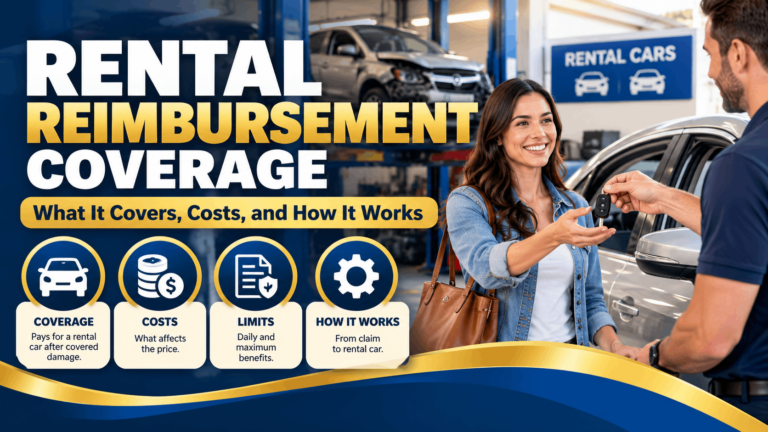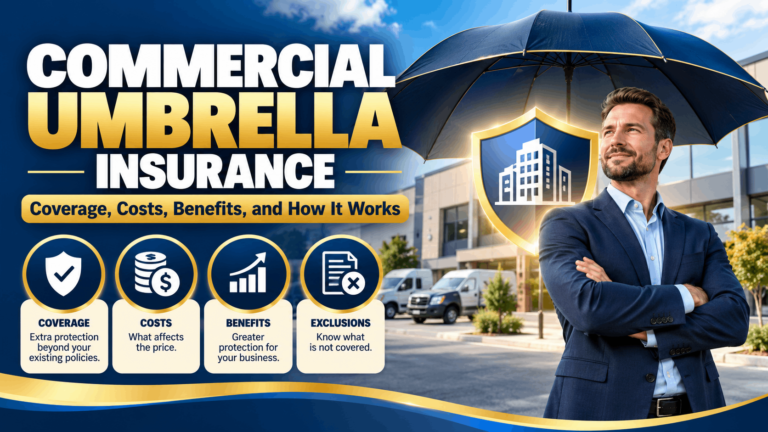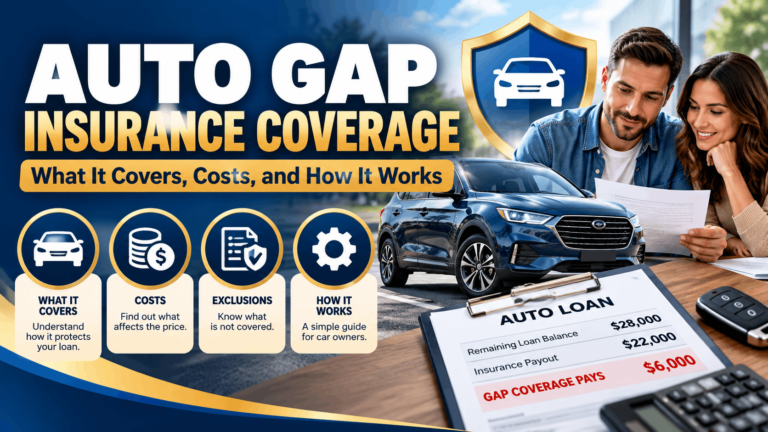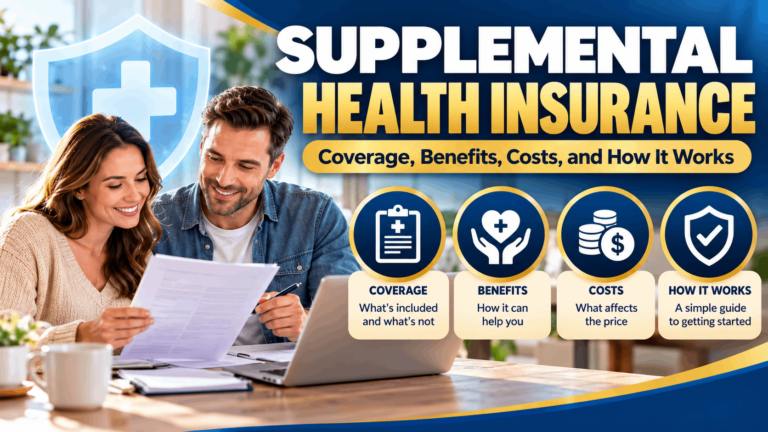

Did you know bundling insurance can save you up to 15% on premiums? This is a big deal for those with auto, homeowner’s, and renters insurance. By getting all these policies from one provider, you save money and make managing them easier. This article will show you how to bundle and save, and the many benefits it offers.
Key Takeaways
- Bundling insurance policies can lead to significant cost savings.
- Multiple policies from the same provider simplify management.
- Insurance bundling benefits extend beyond just savings.
- Comparing quotes ensures the best bundle deals.
- Identifying discounts can maximize your savings.
- Understanding risks helps in making informed decisions.
Understanding Insurance Bundling Benefits
Insurance bundling helps people save money and simplify their insurance needs. By combining policies, we get better coverage and easier management. This way, we can handle our insurance costs more efficiently.
What is Insurance Bundling?
Insurance bundling means buying more than one policy from the same company. It often leads to big discounts. For example, bundling home, auto, and life insurance can save money and make things easier to manage.
By combining policies, we not only cut costs but also reduce the hassle of dealing with different providers.
Types of Policies Available for Bundling
Many insurance policies can be bundled together for better savings. Some common ones are:
- Homeowners insurance
- Auto insurance
- Life insurance
- Health insurance
- Renters insurance
Each bundle offers different discounts, leading to big savings. Talking to your insurance provider can help find the best bundle for you.

How to Bundle Insurance Policies and Save Money
Bundling insurance policies can save a lot of money. To get the most savings, we need to follow some steps. We should look at different options to find the best deals.
Steps to Get Started with Bundling
First, we need to check what insurance we already have. We should talk to our current provider or look for new ones. It’s important to get quotes for all our policies together.
Also, asking about discounts is a good idea. Discounts can help us save even more when we bundle.
Comparing Quotes for the Best Bundle Deals
Comparing quotes is key to finding great deals. We must read the fine print of each offer. Here’s a table showing how much we could save with different bundles:
| Insurance Type | Provider A Quote | Provider B Quote | Potential Savings |
|---|---|---|---|
| Home & Auto Bundle | $2,400 | $2,200 | Up to 15% |
| Life & Health Bundle | $1,500 | $1,400 | Up to 10% |
| Business & Liability Bundle | $3,000 | $2,700 | Up to 20% |
By looking at many quotes, we can make smart choices. We can use various insurance quotes to find the best bundles. Our goal is to save a lot while getting good coverage.
Maximizing Insurance Discounts Through Bundling
Bundling insurance policies is a smart way to save money. By combining different types of coverage, we can get big discounts. This section will show how to pick the right policies and find the best deals.
Identifying Qualified Policies for Discounts
To get discounts by bundling, we need to know which policies qualify. Common pairs include:
- Auto insurance paired with home insurance
- Renters insurance alongside auto insurance
- Watercraft coverage combined with home policies
Choosing these policies can help us get the biggest discounts from insurers.
Potential Savings from Various Insurance Providers
Insurance companies offer different discounts for bundling. These savings can greatly reduce your insurance costs. Here’s a look at what you might save:
| Insurance Provider | Discount Percentage | Example Savings (Annual) |
|---|---|---|
| State Farm | 20% | $500 |
| Allstate | 25% | $600 |
| Geico | 15% | $300 |
| Progressive | 10% | $250 |
Using this information, we can find the best savings and explore bundling options.
Pros and Cons of Combining Insurance Policies
Combining insurance policies can offer many benefits and some challenges. Knowing these can help us make better choices. We’ll look at the good sides, like easier management and payment, and the things to think about and risks.
Benefits of Easier Management and Payment
One big plus of bundling insurance is how it simplifies things. With one provider, we get one bill and clear communication. This makes managing our insurance less complicated.
- Streamlined payments, making tracking deadlines easier.
- Clear communication, improving customer service and support.
- Single point of contact for claims and inquiries.
This leads to less stress when dealing with our insurance.
Considerations and Risks Involved
But, there are also downsides to consider. Without careful thought, we might face problems like:
- Potential loss of coverage specifics if policies are not well-aligned.
- Eligibility for certain discounts may be impacted when bundling.
- Increased exposure if one provider fails to uphold their end of the agreement.
It’s important to think about these points to balance the good and bad. Doing our homework and talking to experts is key when bundling insurance.
| Aspect | Benefits | Risks |
|---|---|---|
| Management | Easier payment tracking | Loss of coverage details |
| Communication | Single point of contact | Reliance on one provider |
| Discounts | Potential savings | Discount eligibility issues |
Conclusion
Learning how to bundle insurance policies can save us money and make managing our coverage easier. This approach offers many benefits, like saving money and simplifying our plans. It helps us organize our insurance needs better.
By choosing the right policies and looking for savings from top providers, we make smart choices. These choices protect our families, homes, and personal items. Bundling becomes more than saving money; it’s a way to feel secure and at peace.
As we finish our talk, we urge you to find a reliable insurance provider. This step can boost the protection of what’s most important to you.