
Mastering Auto Insurance Deductibles: A Helpful Guide

Did you know over 75% of American drivers pick a deductible of $500 or more? This shows how important understanding deductibles in auto insurance is. It can change your premiums and what you pay when you file a claim. This guide will help you understand deductibles better, so you know how they work and their impact on your coverage. We aim to give you the knowledge to choose the right deductible for your budget and needs. This way, you’ll be ready for anything the road throws your way. Key Takeaways A deductible is a key financial component of your auto insurance policy. Choosing the right deductible can affect your insurance premiums and out-of-pocket costs. Understanding your deductible options empowers better decision-making. Commonly, higher deductibles lead to lower premiums. Each type of coverage may have different deductible amounts. What is an Auto Insurance Deductible? An auto insurance deductible is key to your policy. It affects how much you pay and your premium costs. Knowing what a deductible is helps you choose the right coverage. It’s the amount you pay first before your insurance kicks in after a claim. Definition and Function A deductible is a deal between you and your insurer. It shares the cost of accidents or damage. Choosing a higher deductible means lower premiums, showing you’re ready to pay more upfront. Types of Deductibles There are different deductibles to understand. The main ones are for non-collision and collision damages. Non-collision deductibles cover theft or vandalism. Collision deductibles are for damages from accidents. Type of Deductible Description Typical Range Comprehensive Deductible Covers non-collision-related damages, such as theft or natural disasters. $0 – $2,000 Collision Deductible Covers damages resulting from a collision with another vehicle or object. $250 – $1,000 Understanding Deductibles in Auto Insurance Auto insurance deductibles play a big role in your costs and experience. Knowing about deductibles helps you plan your finances better. A deductible is the amount you pay first before your insurance kicks in during a claim. The choice between deductibles and premiums is a big decision. The Impact on Premiums Choosing a higher deductible often means lower monthly payments. Insurers see people with higher deductibles as less risky. This can make you want to pick a higher deductible to save money. But, every person’s financial situation is different. Lower monthly costs might not be worth the higher costs if you have an accident. It’s important to pick a deductible that fits your needs. Common Misconceptions There are many wrong ideas about deductibles in auto insurance. Some think high deductibles always save money. But, they can be a problem if repairs are expensive after an accident. Another wrong idea is that deductibles cover all claims. Deductibles can change based on the type of claim. Knowing this helps you plan better. Types of Coverage and Their Deductibles It’s important to know the different types of auto insurance coverage. This includes understanding the differences between collision and comprehensive coverage. Each has its own deductible. Knowing this helps us choose the right deductible for our needs. Collision vs. Comprehensive Coverage Collision coverage helps with damages from accidents. This includes hitting other cars or objects. On the other hand, comprehensive coverage covers non-accident-related damages. This includes theft, vandalism, and damage from natural disasters. Both have different deductibles, which affect how much we pay for claims. Variations in Deductibles Deductibles for collision and comprehensive coverage can vary a lot. We can pick the deductible amount based on our budget and comfort. A higher deductible means lower premiums but more out-of-pocket costs for claims. It’s key to think about our financial situation and vehicle value when choosing a deductible. Choosing the Right Deductible Amount Choosing the right deductible in auto insurance involves many factors. It’s about understanding what works best for you. You need to look at your financial situation carefully. Think about your budget, including monthly bills and savings. Also, consider how much you can afford to pay if you need to make a claim. Assessing Your Financial Situation Looking at your finances helps you pick the right deductible. You should compare your income and expenses. This helps you see how much you can spend on insurance without hurting other areas of your budget. Having some money set aside for emergencies is important. It can help you feel more secure, even if you have to pay a deductible. Vehicle Worth Considerations The value of your vehicle is also key in this decision. If your car is worth a lot, you might choose a higher deductible to save on monthly payments. But, if your car is older, a lower deductible could be better to avoid big costs if something happens. Knowing how your car’s value affects your insurance choices is important. It helps you manage your costs better. When Do You Pay Your Deductible? Knowing when to pay your deductible is key in the auto insurance claims process. It helps make dealing with car damage easier. Deductibles are usually paid when your insurance checks the damages or repairs. This knowledge helps with your finances right after an accident. Claims Process Overview The claims process starts when you tell your insurer about a problem. They then check and document the damage. The deductible amount is then subtracted from your compensation. For example, if your car needs repairs, the deductible is taken from your insurance payout. This shows why knowing about deductibles is important. Exceptions to Paying Deductibles Not all times require paying a deductible. Some coverages, like glass or accident forgiveness, might not need it. Always check your policy to know when you won’t have to pay. Having this info ready helps with financial planning and peace of mind. Coverage Type Deductible Requirement Collision Coverage Yes Comprehensive Coverage Yes Glass Coverage No Accident Forgiveness Depends on Policy Benefits of Understanding Your Deductible Options Exploring auto insurance reveals the importance of deductible options. Knowing these options helps us make choices that fit our financial needs and preferences. It lets us pick policies that
What to Do After a Car Accident: Insurance Guide

Did you know that about 6 million car accidents happen in the United States every year? This number shows how vital it is to know what to do after a crash. Being in a car accident can be very shocking and scary. But, knowing what to do right after can help you feel better and protect your money. In this guide, we’ll tell you important steps to take after a car accident. We’ll help you understand your auto insurance coverage and how to deal with insurance claims. We want to make sure you know how to take care of yourself and get the help you need. Key Takeaways Understand the importance of remaining calm and assessing injuries after an accident. Ensure safety at the scene by moving to a secure location if possible. Document the incident thoroughly for your car accident insurance claim. Know what information your insurance company will require to process your claim. Familiarize yourself with your auto insurance coverage post accident to avoid surprises. Consider seeking compensation for any loss of income related to the accident. Understanding the Immediate Steps After a Car Accident Being in a car crash can be very stressful. Knowing what to do right after can make things easier. First, make sure everyone is safe and check for injuries. Stay Calm and Assess Injuries Stay calm after a crash. Take a deep breath and look at the situation. Check if anyone is hurt. If someone is injured, help them first. Ensure Safety at the Accident Scene After checking for injuries, make sure the area is safe. If you can, move cars out of the way. Use flares or warning triangles to keep others safe. Calling Emergency Services Call 911 after you’ve made sure everyone is safe. This gets help from police and medical teams. The report from 911 will help with insurance later. Documenting the Accident for Insurance Purposes After a car accident, it’s key to document everything well for your insurance claim. Every detail you collect helps your case with insurance companies. You should focus on two main things: getting driver info and taking photos. Exchanging Information with Other Drivers It’s important to get information from the other drivers after an accident. You need: Name Address Phone number Driver’s license number Insurance company name Policy number Having all this info from other drivers is vital for your insurance claim. It makes your accident record complete. Taking Photographs and Videos of the Scene It’s also important to take photos and videos at the accident site. Good visuals help prove your case. Make sure to capture: Damage to vehicles Road conditions Traffic signals and signs Skid marks or debris on the road Injuries sustained (if any) Every photo and video you take helps your case. It makes your accident documentation stronger. What to Do After a Car Accident (Insurance Guide) Starting your claim process is key after a car accident. Reporting the incident to your insurer quickly is important. It helps you get a fair car accident insurance settlement. Giving accurate details and information is the first step to a successful claim. Starting Your Claim Process with Your Insurer Contact your insurance company right away after the accident. They will help you through the claim process. Make sure to gather all accident-related documents, like police reports and witness contacts. Photos from the scene also help your claim. What Information Your Insurance Company Needs Your insurance company needs certain information to process your claim. Here are the key items: Your policy number The official police report if applicable Contact information for all drivers and witnesses involved A summary of injuries sustained or damages incurred Any photographs or evidence collected at the scene Following these steps is important. It helps your insurer help you quickly and efficiently. Navigating the Claims Process Effectively Understanding the claims process can make your experience better and help you get the support you need after an accident. Auto insurance coverage post accident changes with each policy. Knowing what your coverage includes is key to moving forward. Getting to know the parts of your policy, like liability and collision coverage, is important. It helps you talk to your insurance company and know your rights. Understanding Your Insurance Policy Coverage Before you start with the car wreck insurance process, review your policy. Note the coverage limits and what’s not covered. Each accident is different, and policies respond in their own ways. Look for these key coverages: Liability Insurance Collision Insurance Uninsured Motorist Protection Knowing these details helps you have clear talks with your insurance. It saves time and avoids misunderstandings. Working with Adjusters and Claims Representatives Getting through the claims process well depends on working with claims adjusters. Keeping the lines of communication open shows you’re serious about solving the issue. Be ready to share important documents like police reports and medical records. Understanding the questions asked helps clarify things. It also helps build a good relationship with claims reps. This makes the whole process smoother. Financial Recovery Tips After a Car Collision Recovering financially after a car crash needs careful planning. We must manage medical bills and get back on track financially. Keeping good records and talking to the right people can help a lot. Dealing with Medical Bills and Vehicle Repairs Medical bills can add up fast, with ongoing treatments. It’s important to keep detailed records of all medical services. Talking to healthcare providers helps show any ongoing health issues. For car repairs, documenting damages well is key. Getting estimates from different shops helps find the best repair option. Exploring Compensation for Loss of Income If injuries stop us from working, getting compensation for lost income is key. Talk to your insurance adjuster to see what’s covered. They can help you file a claim for lost wages, keeping your financial recovery on track. Expense Type Cost Estimation Claim Status Medical Bills $5,000 Pending Vehicle Repairs $3,000 Approved Lost Wages $2,500 Under Review Conclusion Knowing what to do after a car
Simple Hacks to Lower Your Auto Insurance Premium

Did you know almost one-third of drivers in the U.S. are overpaying for auto insurance? This fact shows how key it is to know how to lower your premium. Insurance companies look at many things like what car you drive, your driving history, and what coverage you choose. By using some easy tips, we can save money and make sure our cars are well-protected. In this article, we’ll look at ways to get affordable car insurance. We’ll help you check your current insurance and find better, cheaper options. Key Takeaways Understand individual risk factors impacting auto insurance costs. Research and compare premium rates from multiple insurance providers. Consider vehicle type when evaluating insurance options. Explore group insurance discounts that may apply. Maintain a clean driving record to enhance savings opportunities. Leverage safe driving programs to qualify for additional discounts. Understand Your Coverage Needs Choosing the right auto insurance starts with knowing what we need. Every driver is different, so finding the right coverage is key. By figuring out our needs, we can find affordable options. Evaluating Collision and Comprehensive Coverage Collision and comprehensive insurance do different things. Collision covers damage from accidents to our car. Comprehensive insurance covers other damage, like theft or natural disasters. Deciding if we need these coverages depends on our car’s value. If our car is old and not worth much, we might not need to spend a lot on insurance. Assessing Deductibles and Their Impact on Premiums Deductibles and premiums are closely linked. Choosing a higher deductible can lower our premiums. This can save us money in the long run. Understanding this can help us make smart choices about insurance. For more on coverage options, check out this resource. Ways to Lower Your Auto Insurance Premium It’s important to find ways to cut down on our auto insurance costs. There are several strategies that can help us save money. This way, we only pay for what we need. Shopping Around for Better Rates Shopping for better rates is a key way to lower your auto insurance premium. Different insurance companies offer different prices for the same coverage. By comparing quotes, we can find savings we might miss. Even a small difference in rate can add up over time. So, it’s worth taking the time to shop around. Comparing Insurance Costs of Different Vehicles The type of car we drive affects our insurance costs. Cars with high safety ratings and lower theft rates cost less to insure. When buying a new car, check its insurance rates against others. This not only keeps us safe on the road but also helps us save on insurance. Utilizing Group Insurance Discounts Many groups offer insurance discounts to their members. By asking about these discounts through clubs, associations, or work, we can save a lot. These discounts are a great way to save money that many people don’t know about. Take Advantage of Available Discounts Many auto insurance companies offer discounts we might not know about. Using these discounts can save us a lot on our premiums. By knowing what discounts are out there, we can plan our insurance better. Common Discounts to Look for Some common discounts include: Multi-vehicle discounts for insuring more than one car. Multi-policy discounts when bundling insurance policies for home, auto, and other types. Lower rates for students achieving good grades. Loyalty discounts for staying with the same insurer over time. Discounts for members of certain professional organizations. Discount Eligibility for Safe Driving and Good Credit Keeping a clean driving record is key. Many insurers give safe driving discounts, which can save up to 20%. Also, having good credit can lower your premiums. This shows you’re financially responsible and can save you money. Bundling Policies for Additional Savings Bundling insurance policies can save us a lot. When we combine auto insurance with homeowners or renters coverage, we get discounts. This makes managing our insurance easier and saves us money. Improve Your Driving Habits Our auto insurance costs are linked to how we drive. By driving better, we can save money and make the roads safer. It’s simple: keep a clean driving record and join safe driving programs. Maintaining a Clean Driving Record Having a clean driving record lowers our insurance costs. No accidents or tickets means we’re seen as safer by insurers. Here’s why keeping a clean record is good: Lower premium rates because we’re seen as less risky More discounts from different insurance companies Being more credible when getting insurance Participating in Safe Driving Programs Safe driving programs show we care about safe driving and can save us money. They offer courses that might lower our premiums. Here’s what’s in for us: Learn the best ways to drive Get discounts for safe driving Improve our driving skills Conclusion Auto insurance doesn’t have to be hard to understand. We can find ways to lower our costs and keep our coverage strong. Knowing what we need, looking for discounts, and driving better can really help. By taking action now, we should check our policies and see if they need a change. This helps us reach our financial goals and stay safe on the road. It’s all about making smart choices that save us money and keep us protected. Let’s keep learning and making choices that matter to us. A bit of effort can lead to big savings and better protection. This makes managing our auto insurance easier and more rewarding. FAQ What are the best ways to decrease auto insurance premiums? To lower your auto insurance costs, start by comparing rates from different providers. Look for discounts and keep a clean driving record. You might also consider raising your deductible to cut down on monthly payments. How can I save money on car insurance? Saving on car insurance is easy. First, compare quotes from different companies. Use group discounts and bundle policies for more savings. Don’t forget to check for discounts like safe driving or multi-vehicle ones. What does collision and comprehensive coverage mean? Collision
Understand Your Auto Insurance Protection After a Crash
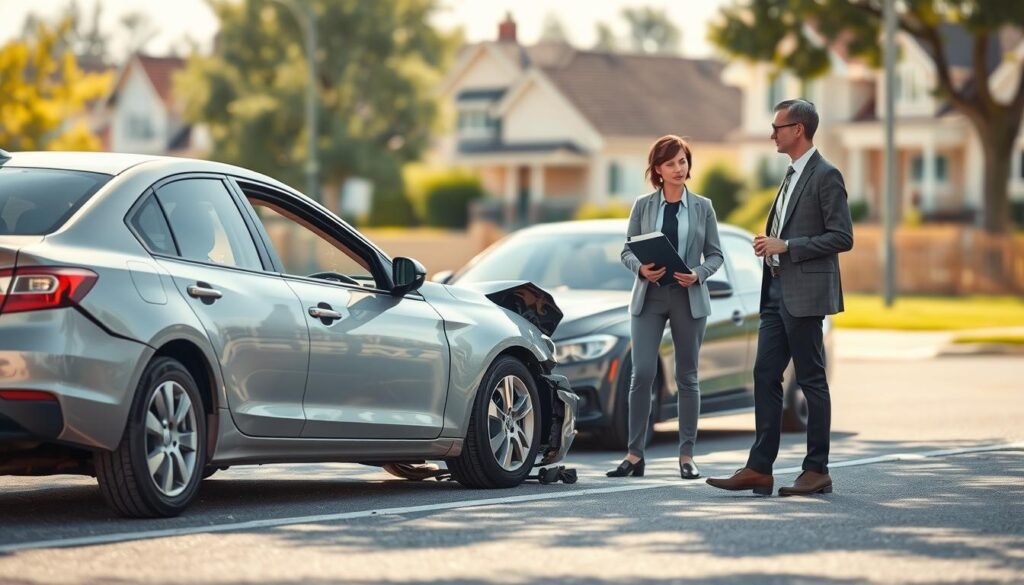
Did you know over 6 million car accidents happen in the U.S. each year? Knowing about auto insurance can really help after an accident. It gives us peace of mind, whether it’s a small fender bender or a big crash. We’ll explain how auto insurance helps after a crash, including key coverage types and what to do next. Auto insurance is more than just a legal must in most states. It’s a financial safety net that covers vehicle damage, medical bills, and more. By knowing our coverage options, we can avoid big financial mistakes. For more info, check out our valuable resources on auto insurance. Key Takeaways Auto insurance protects against financial losses from accidents. There are multiple coverage types, including liability and comprehensive. Taking the right steps after an accident can streamline claims. Notifying your insurance company promptly is key. Understanding your policies can lead to peace of mind and better preparedness. Introduction to Auto Insurance After a Crash Auto insurance is key for drivers, giving them financial safety in accidents. Knowing about auto insurance after an accident can reduce stress. It’s important to understand how our policy works when accidents happen. Handling claims can be tough, but knowing the basics helps. Car insurance basics teach us about different coverages. This knowledge helps us understand our protection against various risks. This guide is a starting point for understanding auto insurance after a crash. Knowing the types of coverage we have helps us feel more confident. It makes it easier to deal with claims and avoid problems. How Auto Insurance Protects You After an Accident It’s key to understand the different auto insurance coverages to get the right protection after an accident. Knowing how each type works helps us choose wisely based on our needs and budget. Coverage Types: Liability, Collision, and Comprehensives Liability insurance is a must in most states. It covers damages or injuries we might cause to others. But, it doesn’t help with our medical bills or car repairs. Collision and comprehensives offer more protection. Collision insurance covers our car’s repairs, no matter who’s at fault. This is great for newer or financed cars that cost a lot to fix. Comprehensives cover damages from things like theft, vandalism, or natural disasters. These two types help us deal with car-related risks well. Additional Coverage Options: Uninsured and Underinsured Motorist Coverage There are more options like uninsured and underinsured motorist coverage. Uninsured motorist coverage helps when hit by drivers without insurance. It covers our medical costs and car damages. Underinsured motorist coverage is for when the other driver’s insurance isn’t enough. It fills the gap between what the driver has and what we need. This gives us a safety net and peace of mind against underinsured drivers. Key Steps to Take Immediately After an Accident Being in a car accident can be very stressful. It’s important to know what to do right away. First, we must prioritize our safety. Staying calm helps us think clearly and act wisely. Remain Calm and Assess the Situation When an accident happens, it’s key to take a deep breath. We need to make sure everyone is safe. If it’s safe, move to a place away from traffic. Look for injuries in yourself and others. Call for help if someone needs medical care. Collect Essential Information at the Scene While staying calm, start gathering information. It’s important to talk to the other driver(s). Get their names, contact info, insurance details, and car plates. This info is vital for documenting the accident. It helps a lot with insurance claims later on. Documenting Evidence for Future Claims It’s important to document everything well. Take photos of the damage, the scene, and any injuries. These photos help tell the story of what happened. Step Description Stay Calm Take a moment to breathe and focus on safety. Assess the Situation Check for injuries and if safe, move to a secure location. Information Exchange Collect names, contact details, and insurance information. Document Evidence Take photos of damages, the scene, and any injuries. The Importance of Notifying Your Insurance Company It’s very important to tell your insurance company right after an accident. Many policies need you to act fast for insurance reporting. This starts the claims process smoothly. Even if you think you weren’t at fault, telling them helps. It lets claims adjusters start their work quickly. What to Report and When Here’s what you should tell them: The date and time of the incident The location of the accident Contact information of all parties involved Details of any injuries A description of the damages Having this info ready makes the claims process easier. It lets the insurer start investigating quickly. Consequences of Failing to Notify Not telling your insurance company can cause big problems. These include: Claims denial, if they find out you were late Delayed claims processing, which can be stressful Potential legal issues because of unreported accidents Knowing these risks shows why it’s key to notify your insurance after an accident. It helps avoid extra trouble. Navigating the Insurance Claim Process After a Crash Dealing with insurance claims after an accident can be tough. Knowing about claims adjusters and the investigation helps a lot. It’s important to understand our rights to protect ourselves during this time. The Role of Claims Adjusters Claims adjusters are key in the claims process. They check damages, figure out who’s at fault, and decide how much we’ll get. They make the process clearer and help us get along better. What to Expect During the Investigation The investigation will look closely at the accident. They’ll check police reports, talk to witnesses, and look at the cars. How well they do this affects how much we get back. Knowing this helps us stay ready. How to Protect Your Rights During the Process It’s vital to protect our rights during claims. Don’t sign anything without knowing what it means. Watching the process and making sure our side is strong is key. Getting legal help
Steer Clear of These Auto Insurance Pitfalls
Did you know nearly 40% of drivers make mistakes with auto insurance? These mistakes can put their financial security at risk. It’s key to understand your auto coverage well. Many drivers miss important parts of their policies. This can lead to big problems if they get into an accident. This guide will show you common mistakes and how to avoid them. It will help you protect your money and make sure you have the right coverage. Key Takeaways Understanding common auto insurance mistakes can save you money. Staying informed about your policy ensures adequate coverage. Regularly updating your information prevents costly errors. All drivers should be listed on your policy to avoid complications. Finding the right balance of coverage can protect you financially. Missing premium payments can lead to coverage lapses. Understanding the Importance of Auto Insurance Auto insurance is key to keeping our finances safe. It’s a vital safety net that guards us against unexpected costs from accidents, theft, or damage. Many people don’t realize how important it is, but driving without it can lead to big financial problems. Most states make it a law to have some level of coverage. This law is there to protect us and avoid big fines if something goes wrong. It also gives us peace of mind, knowing we’re ready for anything on the road. Accidents, big or small, can lead to high costs fast. Without insurance, we face huge bills that can hurt our finances. Knowing how important auto insurance is helps us see its role in protecting us from financial and legal issues. Common Auto Insurance Mistakes Drivers Make It’s important to know the common mistakes drivers make with auto insurance. These mistakes can lead to financial trouble. They include picking the cheapest policy and missing out on important coverage options. Choosing the Cheapest Policy Without Understanding the Coverage Many drivers make the mistake of choosing the cheapest policy without knowing what it covers. While it’s tempting to save money, this can leave us without enough protection. Cheaper policies often have less coverage or higher deductibles. This can put us in danger when accidents happen. It’s key to understand each part of an auto policy. This ensures we have the right protection against risks. Skipping Comprehensive and Collision Coverage Another big mistake is skipping out on comprehensive coverage and collision coverage. These coverages protect us from non-collision events like theft and natural disasters. They also cover damages from accidents. By not having these coverages, we face big financial risks. It’s smart to think about our needs and the dangers we might face. This helps us choose the right coverage levels for better protection. Failing to Update Policy Information Keeping your auto insurance up to date is key for full coverage. Our lives change often, and so do our insurance needs. If you don’t update your policy, you might miss out on coverage or pay too much. It’s important to talk to your insurer regularly to keep your policy current. Why It’s Crucial to Notify Your Insurer Telling your insurer about big changes is vital for accurate auto insurance. Things like moving, getting a new car, or driving more can change what you need. By letting your insurer know, you make sure you’re covered right. Address changes can affect your premium rates. New vehicles may require different coverage options. Changes in employment status may influence driving patterns and coverage needs. Regularly checking in with your insurance company helps keep you covered. We suggest looking over your policy every year. This way, you pay the right amount and stay safe from unexpected changes in life. Not Listing All Drivers Transparency is vital in auto insurance. Not listing all drivers in your household can cause big problems if an unlisted driver gets into an accident. Insurance companies need to know who drives the car. This is important for correct insurance information and affects how much you pay. Not telling your insurer about all drivers can lead to denied claims. This leaves you without the financial support you need. Listing all drivers is key to getting the right protection. It also helps you talk openly with your insurer. Knowing who drives your car is essential to avoid coverage issues. Buying Too Little or Too Much Coverage It’s important to check our auto insurance to get the right amount. Buying too little or too much can cost us a lot. Both can leave us in trouble or waste our money. Finding the Right Balance for Your Needs When looking at auto insurance, we need to think about our own situation. Things like how often we drive, what our cars are worth, and our money situation matter. If we don’t have enough coverage, we could face big financial losses if we get into an accident. On the other hand, having too much coverage means we pay more money. This can be hard on our budget. It’s best to talk to an insurance broker to find the right amount for us. They can help us choose the best policy and protect our money and things. Missing Premium Payments and Their Consequences Missing premium payments can lead to severe auto insurance consequences. When we fail to meet our payment obligations, our policy may be at risk of cancellation or experiencing significant payment lapses. This situation leaves us vulnerable to liabilities we cannot afford, specially in the event of an accident. To avoid the repercussions of missing premium payments, we recommend establishing a calendar reminder or enrolling in automatic payments with our insurance provider. Consistent payment ensures that we maintain uninterrupted coverage, allowing us to drive with peace of mind. The table below provides insights into the effects of payment lapses on our auto insurance coverage: Type of Payment Issue Consequences One-Time Missed Payment Grace period may apply, but coverage could lapse if not resolved. Repeated Late Payments Increased risk of policy cancellation and higher future premiums. Continuous Non-Payment Policy cancellation and exposure to possible liabilities without coverage. Conclusion
Choose the Right Auto Insurance Policy for Your Needs.

Did you know nearly 77 million drivers in the U.S. lack proper auto insurance? This shows how important it is to pick the right policy. Finding the right insurance can seem hard, but it’s key for legal needs and financial safety. We’ll guide you on how to choose the best auto insurance for your needs, including more than the minimum required. Key Takeaways Selecting the right auto insurance policy is essential for legal compliance. Adequate coverage provides financial protection against unexpected incidents. Understanding different types of coverage can enhance your policy choice. Regularly reviewing your policy helps maintain complete insurance coverage. Using online tools can make comparing auto insurance easier. Understanding the Importance of Auto Insurance Auto insurance is key to keeping you and your family safe on the road. It’s important to know the auto insurance laws in your state. This ensures you’re following the rules and protecting your money. Legal Requirements Most states require a basic level of auto insurance. This is to help cover costs if you’re in an accident. But, these minimums might not be enough for big accidents. So, many people choose to get more insurance. Financial Protection Good auto insurance helps protect your wallet. It covers medical bills, car repairs, and legal costs. Without it, these expenses can be too much to handle. It’s a big reason why auto insurance is so important. Peace of Mind Auto insurance also gives you peace of mind. It makes driving less stressful because you know you’re covered. Getting the right policy lets you drive confidently, knowing you’re prepared for anything. To find the best policy for you, get an auto insurance quote today. Types of Auto Insurance Coverage It’s important to know about the different auto insurance coverages. This helps protect your vehicle and your health. We’ll look at four main types: liability, collision, and comprehensive coverage, and Personal Injury Protection (PIP). Each has its own role, helping you customize your policy. Liability Coverage Liability coverage is a must for every driver. It pays for damages and medical costs if you’re at fault in an accident. It’s often required by law, making sure drivers are responsible on the road. Collision Coverage Collision insurance helps if you’re in an accident, no matter who’s at fault. It covers repairs or a new car, saving you money. This way, you don’t have to worry about big repair bills. Comprehensive Coverage Comprehensive coverage protects against non-accident damage. It covers theft, vandalism, and natural disasters. With this, you’re safe from unexpected damage to your car. Personal Injury Protection (PIP) PIP insurance pays for medical bills and lost wages if you’re in an accident. It covers hospital costs and rehab, helping you focus on healing without financial worries. Type of Coverage Purpose What It Covers Liability Coverage Protects against damages you cause to others Property damage and bodily injury to others Collision Coverage Covers damages to your vehicle in an accident Repairs or replaces your vehicle after a collision Comprehensive Coverage Protects from non-collision incidents Theft, vandalism, weather damage PIP Insurance Covers medical costs and lost wages Medical expenses, rehabilitation, lost income How to Choose the Right Auto Insurance Policy Finding the right car insurance is a big deal. It’s important to take your time and think it through. Here are some steps to help you make a good choice. Assessing Your Coverage Needs Start by thinking about your own situation. Consider things like: Your driving habits; The type of vehicle you own; Your financial situation; Your risk tolerance. This helps you figure out what coverage you really need. It keeps you from paying too much or not enough. Comparison Shopping Get quotes from different insurance companies. This is key to understanding what’s out there. Online tools can help you compare quotes easily. Look at the premiums, coverage, and customer service. This makes it easier to choose the best policy for you. Understanding Premiums and Deductibles It’s important to know about premiums and deductibles. The premium is what you pay for coverage. The deductible is what you pay before insurance helps with a claim. Finding the right balance is key. A lower premium might mean a higher deductible. This could cost you a lot if you need to make a claim. On the other hand, a higher premium might mean a lower deductible. This could save you money upfront but cost more over time. In the end, choosing the right insurance is about knowing your budget and how much risk you’re willing to take. Insurance Provider Premium Deductible Coverage Type Geico $950 $500 Full Coverage State Farm $1,050 $750 Full Coverage Progressive $875 $300 Liability Only This info helps you make informed choices about your auto insurance. By carefully comparing, you can find a policy that fits your needs and gives you peace of mind. Tips for Finding the Best Auto Insurance Rates Finding cheap car insurance is a big deal for many. We can make it easier with some key strategies. By using smart tips, you can save money and get good coverage. Researching Discounts Looking for insurance discounts is a smart move. Many companies offer discounts that can cut your costs. Here are some to ask about: Safe driver discounts Multi-policy discounts for bundling auto and home insurance Good student discounts for younger drivers Low mileage discounts for those who use their vehicles less frequently Don’t be shy about asking for discounts. It’s a great way to get the best rates. Reviewing Your Policy Regularly It’s important to check your auto insurance policy often. Changes like moving, buying a new car, or driving more can affect your needs. Reviewing your policy helps you stay covered and can save you money. Using Online Comparison Tools Online comparison tools make finding cheap car insurance easy. They let you: Compare quotes from different companies quickly See what each policy offers Find the best deals and discounts These tools make it clear what you’re getting. They help you choose the best auto insurance for
Liability vs Full Coverage Auto Insurance: Choosing the Right Policy
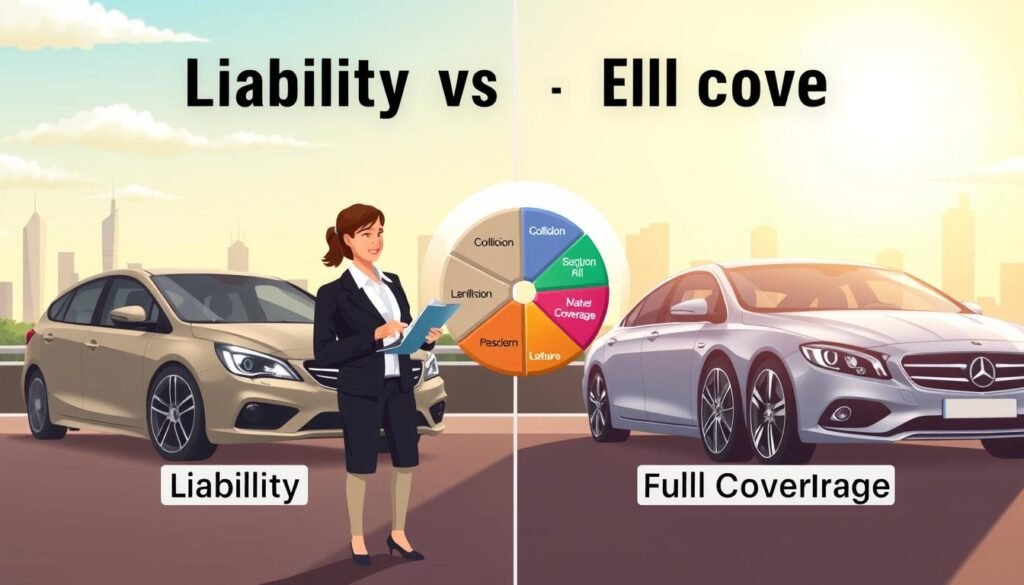
Did you know that about 31% of American drivers don’t have insurance? This fact shows how vital it is to know about auto insurance options. It’s not just about following the law; it’s about keeping your finances safe and feeling secure when unexpected things happen. Understanding the difference between liability and full coverage auto insurance is key. This knowledge helps protect your car and your money. We’ll explore the main points of each coverage type. This way, you can make a smart choice that fits your needs. Key Takeaways Understanding your auto insurance options is critical for financial security. Liability insurance covers damages to others, while full coverage includes additional protections. Knowing the differences in coverage can help you avoid costly mistakes. Assess your own needs and situation to determine the best policy type. Uninsured drivers highlight the importance of having adequate coverage. Understanding Auto Insurance Basics Knowing the basics of auto insurance is key to picking the right policy. Auto insurance has different types of coverage. Liability insurance is a must in most states. What is Liability Insurance? Liability insurance helps protect us from claims for damages we cause to others or their property. It’s a basic requirement by law. But, it doesn’t cover our own vehicle or injuries we might get in an accident. What is Full Coverage Insurance? Full coverage insurance goes beyond liability. It includes collision and comprehsensive coverage. This gives us a wider safety net. It covers our responsibilities to others and our own vehicle’s risks. Liability vs Full Coverage Auto Insurance Explained Knowing the difference between liability and full coverage auto insurance helps us choose wisely. Each type has its own role in protecting us. Liability insurance covers damages we might cause to others. Full coverage, on the other hand, includes both liability and costs for fixing or replacing our vehicle. Key Differences in Coverage The coverage differences are key to our financial safety. Here’s a table that shows the main differences: Feature Liability Insurance Full Coverage Insurance Protection for Others Yes Yes Vehicle Repair Costs No Yes Replacement Costs for Your Vehicle No Yes Types of Coverage Included Only mandatory liability coverage Includes collision and comprehensive coverage Default for Most States Yes No Why Insurance Terminology Matters Understanding insurance terms is critical when comparing liability vs full coverage auto insurance explained. Terms like “collision” and “comprehensive” can be confusing. Knowing these terms helps us choose the right policy for our budget and needs. What Does Liability Insurance Cover? It’s key to know what liability insurance covers to make smart choices about your auto insurance. Liability insurance helps protect us from financial losses due to accidents. It’s split into different types to handle different situations. Types of Liability Coverage Liability insurance has two main types: Bodily Injury (BI) Liability: This covers costs for injuries to others if we’re at fault in an accident. It pays for medical bills, lost wages, and sometimes pain and suffering. Property Damage (PD) Liability: This handles damage to another person’s property due to our actions. It can pay for their vehicle repairs or other accident-related costs. What is Not Covered by Liability Insurance? It’s also vital to know what liability insurance doesn’t cover. Knowing these exclusions can prevent surprises after an accident. Key exceptions include: Damage to our own vehicle, which isn’t covered by liability insurance. Other types, like collision or comp insurance, are needed for this. Medical costs for ourselves or our passengers in our vehicle. Liability insurance doesn’t cover our medical expenses after an accident. Knowing these limits shows why it’s important to review our coverage and maybe get more insurance. This ensures we’re fully protected on the road. What Does Full Coverage Insurance Include? It’s important to know what full coverage insurance covers. It includes collision and comprehensive coverage. These parts work together to protect our vehicles well. Collision Coverage Explained Collision coverage is a big part of full coverage insurance. It helps pay for car repairs after an accident, no matter who’s to blame. This way, we don’t have to spend a lot of money to fix our car. It covers damage from hitting another car or object. So, if we crash, collision coverage helps us financially. Comprehensive Coverage Explained Comprehensive coverage is another essential part of full coverage insurance. It protects our car from damage not caused by accidents. This includes theft, vandalism, and damage from natural disasters. With this coverage, we can feel safe knowing our car is protected from many dangers. Cost Comparison: Liability vs Full Coverage Knowing the cost difference between liability and full coverage is key. Each has its own pros and cons, mainly affecting insurance prices. We need to look at what affects these costs to plan our budgets better. How Factors Affect Insurance Premiums Many things influence insurance costs. Key factors include: Driving history: A clean record means lower premiums. Vehicle type: Expensive cars cost more. Geographical location: High-risk areas raise premiums. Understanding these factors helps us see how they affect costs. This is important when comparing liability and full coverage. Average Cost of Each Coverage Type Insurance costs vary a lot. Full coverage is usually three to five times more expensive than liability-only. For example: Coverage Type Average Annual Premium Liability Insurance $500 Full Coverage Insurance $1,500 This big price gap makes choosing wisely very important. Knowing the average costs helps us make smart financial choices. We aim for both protection and affordability. Do You Need Full Coverage Insurance? Deciding if you need full coverage insurance is a big decision. It depends on many personal factors. It’s important to understand what’s best for you. Factors to Consider When Choosing Coverage There are several things to think about when deciding on insurance. First, look at your car’s age and value. If your car is new or expensive, full coverage is a good idea. It helps protect you from big financial losses. But, if your car is old and not worth much, you might only need liability insurance.
The Importance of Auto Insurance: What You Need to Know
Did you know nearly one in eight drivers is uninsured? This fact shows how important auto insurance is. It protects us and others on the road. Auto insurance is more than just a legal need; it’s key to being a responsible driver. In this guide, we’ll explore why auto insurance is so important. We’ll look at the types of coverage and the benefits it offers. Knowing about auto insurance helps us make smart choices. This ensures we’re protected and can protect others too. Key Takeaways Auto insurance is vital for legal compliance and financial security. Understanding coverage types helps you choose the right policy. Uninsured drivers can pose risks, making insurance indispensable. Auto insurance offers peace of mind, knowing you’re protected. It is essential for meeting the legal requirements of your state. Being aware of coverage options enhances your driving safety. Understanding Auto Insurance: Key Concepts Auto insurance is a must for every driver. It’s a deal between you and an insurance company. They promise to help with costs from accidents or damage to your car. You pay a premium, and they cover certain losses as agreed in your policy. Definition of Auto Insurance The auto insurance definition is about managing risks. It helps protect you from big expenses from accidents, theft, or car damage. By getting auto insurance, you’re not just safe; you’re also following the law when you drive. Various Types of Coverage There are many types of auto insurance coverage for different needs: Bodily Injury Liability: Covers injuries to others in accidents. Property Damage Liability: Pays for damages to other people’s property. Collision Coverage: Covers your car’s damage after a crash. Comprehensive Coverage: Protects against theft and other non-collision damages. Personal Injury Protection (PIP): Covers medical costs for you and your passengers. Uninsured Motorist Coverage: Helps with costs from accidents with uninsured drivers. These vehicle protection options offer full coverage for peace of mind. It’s wise to look into these options to find what suits you best. For more on coverage, check out this resource. Legal Obligations and Financial Responsibilities Knowing the auto insurance legal obligations is key for drivers. In most places, you must have a minimum of liability insurance. This ensures you can pay for injuries and property damage if you’re in an accident. Following these rules helps avoid fines or losing your license. It also promotes safe driving and road safety. Why Auto Insurance Is Required and Important Car insurance is a must because of state laws. Each state has its own rules for auto insurance. These rules help protect drivers from big financial losses after an accident. Legal Requirements by State Auto insurance laws differ from state to state. For instance, California requires a minimum of $15,000 for injury or death of one person. It also needs $30,000 for two or more people and $5,000 for property damage. Knowing these laws is key to avoid fines and stay legal. The Financial Safety Net That Auto Insurance Provides Auto insurance is a financial shield for drivers. It covers the costs of medical bills, car repairs, and legal fees after an accident. This way, drivers don’t face financial disaster. It also gives peace of mind, letting drivers focus on driving safely. The Essential Coverage Components of Auto Insurance Knowing the key parts of auto insurance is key to staying safe on the road. Each part has its own role and helps make a full car insurance policy. We’ll look at different types of coverage, why they’re important, and how they work together to keep you safe financially. Liability Coverage Liability coverage is the core of auto insurance. It protects you from big bills if you cause an accident that hurts others or damages property. It’s very important because it meets legal needs and keeps your money safe in tough times. Collision and Comprehensive Coverage Collision coverage helps fix your car if you crash into something. Comprehensive car insurance covers damage from things like theft, vandalism, or natural disasters. These two work together to protect you from many risks on the road. Personal Injury Protection (PIP) and Medical Payments Personal injury protection (PIP) is key because it pays for medical costs and lost wages after an accident, no matter who’s at fault. It’s a big part of keeping you safe. Medical payments coverage also helps with medical bills, but it usually doesn’t cover as much. Having strong coverage in both areas helps you focus on getting better without worrying about money. Uninsured/Underinsured Motorist Coverage This coverage helps if you get into an accident with someone who doesn’t have enough insurance. It’s very important because many drivers only have the minimum insurance. It keeps you from getting stuck with huge bills for medical care or car repairs because of someone else’s mistake. Benefits of Mandatory Auto Insurance Mandatory auto insurance offers many benefits that make driving safer and more secure. It helps protect us from unexpected financial problems. It also ensures we follow important rules set by each state. Protection Against Financial Losses The main goal of auto insurance is to protect us from financial losses. If we’re in an accident, the costs for fixing our car and medical care can be high. Having enough insurance helps us deal with these costs without financial stress. Understanding how auto insurance protects us helps us make better choices. It prepares us for any accidents that might happen. Peace of Mind When Driving Driving with insurance gives us peace of mind from auto insurance. We feel less worried about accidents because we know we’re covered. This lets us drive more confidently. Knowing we’re protected encourages us to drive more safely. This leads to confident driving with insurance. Compliance with State Regulations Following mandatory insurance rules is key for safe driving. State compliance with auto insurance keeps us out of trouble and makes the roads safer. By meeting these rules, we help make our roads safer for everyone. Factors Influencing Auto Insurance Premiums Understanding premiums is key for anyone looking
What Does Auto Insurance Cover?
In 2022, over 4 million car accidents happened in the United States. This led to thousands of injuries and damages. Knowing what auto insurance covers is key for every driver. It offers financial protection for accidents, injuries, and vehicle damages. Each coverage type is important for your safety. We’ll explore what auto insurance covers and help you choose the right policy. Key Takeaways Auto insurance covers costs from accidents, injuries, and vehicle damage. Understanding your coverage is essential for making smart choices. Each type of auto insurance has a unique role in protecting your finances. Be aware of state requirements for auto insurance coverage. Choosing the right policy can give you peace of mind on the road. Understanding Auto Insurance Basics Learning about auto insurance is key to protecting your vehicle. We’ll cover what auto insurance is and why it’s important in our daily lives. Definition of Auto Insurance Auto insurance is a deal between you and your insurance company. It helps cover costs from car accidents and injuries. It also covers you if you’re at fault in an accident. Knowing your policy helps you pick the right coverage for you. Importance of Auto Insurance Auto insurance is very important. Here’s why: It keeps your assets safe from accident costs. It meets legal needs in most places, keeping you in line with laws. It gives you peace of mind, knowing you’re covered if something happens. Many lenders need it to give out car loans, protecting their investment. What Does Auto Insurance Cover? It’s important for every driver to know what auto insurance covers. Both standard and comprehensive car insurance policies help in many situations. They give peace of mind when accidents happen. Let’s look at the common accidents covered and the state rules that shape these policies. Mishaps Covered by Auto Insurance Auto insurance protects against many incidents. It offers financial help in tough times. Here are some key mishaps covered by most policies: Accidents causing bodily injury to the driver or passengers Property damage from a collision Medical expenses for injured people Theft or vandalism of the insured vehicle Natural disasters that damage the vehicle Comprehensive car insurance also covers non-collision damages. This includes severe weather damage or even riots. It protects your vehicle from a wide range of dangers. State Requirements for Auto Insurance Every state has its own rules for auto insurance. It’s key for drivers to know these rules. Common mandates include: Bodily injury liability for injuries to others Property damage liability for damage to others’ property Uninsured motorist coverage in some states Understanding your state’s requirements is important. It helps avoid fines or legal trouble. We suggest checking with local insurance regulators often. This way, you’ll know about any changes in your policy. Types of Coverage in Auto Insurance Knowing about the different auto insurance coverages is key to staying safe on the road. Each coverage type has its own role and helps with different risks. We’ll look at liability, collision, and complete car insurance. Liability Insurance Coverage Liability insurance is a must-have in any auto policy. It includes two main parts: bodily injury and property damage liability. Bodily injury covers costs for injuries to others if you’re at fault. Property damage liability pays for damages to someone else’s property, like a car or fence, in an accident. Having enough liability coverage is vital. It helps protect your assets from lawsuits after an accident. Collision Insurance Coverage Collision insurance helps when your car gets damaged in a crash. It covers repairs or a new car, easing financial worries. It’s a big help for those who drive a lot or face dangerous roads. This coverage ensures you won’t face huge costs after an accident. Comprehensive Car Insurance Comprehensive insurance protects against non-crash events like theft, vandalism, and natural disasters. It’s a must for those in areas with bad weather or high theft rates. This coverage keeps your car safe from many dangers. It’s a smart choice for keeping your finances safe in an unpredictable world. Type of Coverage Description Key Benefits Liability Insurance Covers bodily injury and property damage to others. Protects personal assets from lawsuits. Collision Insurance Covers damages to your vehicle from collisions. Manages repair costs post-accident. Comprehensive Insurance Protects against non-collision incidents. Covers theft, vandalism, and natural disasters. Mandatory and Optional Coverage It’s important to know about different car insurance coverages. A good policy includes both must-have protections and extra options. We can look into the policy details to meet legal needs and add extra security. Required Coverages by State Every state has its own rules for car insurance. Most focus on liability insurance. This coverage helps pay for damages or injuries if you’re at fault in an accident. Knowing these basics helps us stay legal and safe on the road. Optional Coverages for Additional Protection There are also extra protections you can add to your policy. These include: Gap insurance: Covers the gap between what you owe on your car and its current value if it’s totaled. Rental car reimbursement: Pays for a rental car while yours is being fixed. Roadside assistance: Provides help during breakdowns, like towing or fuel delivery. Adding these options can make our policy better and protect our finances in tough times. Understanding Full Coverage Auto Insurance When you look into auto insurance, you might hear the term “full coverage.” It’s a bit confusing because it usually means a mix of basic coverages. Knowing what full coverage auto insurance includes is key to getting the right protection for you. Components of Full Coverage Full coverage auto insurance includes: Liability Insurance: Covers damages you cause to others in an accident. Collision Coverage: Pays for damage to your car from hitting something else. Comprehensive Coverage: Protects against non-collision incidents like theft, vandalism, or natural disasters. Benefits of Full Coverage Auto Insurance Choosing full coverage auto insurance has many advantages, such as: Enhanced Protection: Keeps you safe from many possible problems, giving you peace of mind. Financial Security: Helps you
Navigating Property Damage Coverage Essentials

Did you know that about 1 in 15 homes with insurance file a claim for property damage each year? This fact shows how vital it is to understand property damage coverage. We’ll explore the key parts of property damage insurance to help you protect your assets well. Knowing about property damage coverage is key for homeowners, renters, and business owners. We’ll look at different coverages, what’s not covered, and how to handle insurance claims. Our aim is to give you the knowledge to make smart choices and feel secure in the long run. Key Takeaways Understanding property damage coverage is essential for protecting your investments. Different types of property damage insurance can cater to varying individual needs. Be aware of common exclusions in policies to avoid unexpected gaps in coverage. Documentation plays a vital role in the insurance claim process. Clear communication with insurance adjusters can make your claims smoother. Knowing about coverage limits and payouts helps you make better choices. Introduction to Property Damage Coverage Property damage coverage is a key part of most insurance plans. It helps protect your assets from financial loss due to physical damage. This includes theft, accidents, and natural disasters. Knowing how property damage insurance works is important for keeping your finances safe. It’s important to check your insurance policies for property damage coverage. This coverage helps reduce financial stress when bad things happen. It also gives you peace of mind, knowing your valuable things are safe. Looking at your policy can help you find ways to improve your protection. Understanding Property Damage Coverage It’s important to know about different types of property damage coverage. This ensures your assets are well-protected. Homeowners and car insurance policies are designed to meet specific needs. Types of Property Damage Coverage Homeowners insurance offers a lot of protection. It covers your home, personal items, and liability. Here are some key types of coverage: Dwelling Coverage: This covers your home’s structure, including repairs and rebuilds. Contents Coverage: It protects your personal belongings from theft and fire. Additional Living Expenses: This helps with living costs when your home is not habitable. Car Insurance Coverage: It protects your vehicle from accidents, theft, or natural disasters. Comprehensive Coverage: This covers a wide range of risks for both homes and vehicles. For more on homeowners insurance, check out this resource. Knowing these differences helps you choose the right insurance for your needs. Common Exclusions in Policies Even with good coverage, there are exclusions to watch out for. Here are some common ones: Flooding: Flooding is usually not covered by standard homeowners insurance. You might need flood insurance. Intentional Acts: Damage from intentional actions is often not covered. Natural Wear and Tear: Regular maintenance issues are not covered. Specific Natural Disasters: Certain disasters like earthquakes might need extra coverage. It’s key to check your policy for property damage exclusions. Adding riders for high-risk areas can help ensure full coverage. Assessing Damage and Reporting Your Claim When property damage happens, it’s important to act fast. The first step is to document everything. This helps show how much damage there is and how to fix it. Importance of Documentation It’s key to document all damage. Take photos and videos of the damage. Also, make a list of what’s damaged or lost. Save receipts and warranties for your stuff. This helps prove your claim. Good documentation makes the claim process easier and faster. Safety First: Assessing Property Damage Before you report the damage, check it out safely. Stay away from dangers like broken wires. If unsure, get help from experts. Write down what you see. Share these notes with your insurance adjuster. This helps make sure all damage is covered. Working with Insurance Adjusters Dealing with insurance adjusters is key when you’re going through claims processing. Knowing what they do can make your claims process better. They check your damages, figure out how much you lost, and see if your policy covers it. Talking well with them is important because they help decide how fast and well your claim goes. Role of the Adjuster in Claims Processing Insurance adjusters mainly check damages and decide how much your claim is worth. Their work affects how quickly and fairly your claim is handled. Understanding their role helps us get ready with the right info. This teamwork leads to a better outcome for you. Tips for Effective Communication Being clear and professional when talking to adjusters is important. Here are some tips to help: Clearly outline details regarding damages and losses. Maintain a polite tone, fostering a cooperative atmosphere. Document all conversations for your records. Don’t hesitate to ask questions if there’s uncertainty about the claims process. Using these tips can make working with insurance adjusters easier. This leads to a smoother and more efficient claims experience. Navigating the Insurance Claim Process Starting the insurance claims process can seem overwhelming. But, understanding the steps makes it easier. Here are the key stages to help you through: First, talk to your broker to start the claim and share the needed documents. Then, the claims adjuster will look into the loss to figure out what happened. Next, they’ll review your policy to make sure you know what’s covered. They’ll also check the damage through appraisals or expert opinions. Lastly, they’ll settle the claim, making sure everything is taken care of. Each step helps you understand the process better. It also encourages you to be more involved. Knowing what to do makes the journey smoother. Understanding Coverage Limits and Payouts It’s important to know about coverage limits and possible payouts. Each policy has its own limits for different damages. Knowing these limits helps set realistic expectations. Talking to your insurance provider is a good idea. They can help adjust your coverage or policy terms if needed. This can make you feel more secure and protected. Conclusion Understanding property damage coverage is key to protecting our assets. It helps us ensure long-term security. By knowing the different types of coverage and the claims