
Essential Insurance for Small Businesses Guide

Did you know that nearly 40% of small businesses can’t reopen after a disaster? This shows how important it is to have good insurance. With natural disasters and cyber threats, knowing about insurance is key. It helps keep your business safe and running smoothly. Many business owners don’t think about insurance, but it’s vital. The right policy can protect your business and give you peace of mind. This lets you focus on growing your business. Learning about different insurance options helps you make smart choices for your business. If you want to start, you can get a free business insurance quote that fits your needs. Key Takeaways 40% of small businesses may not recover from disasters due to inadequate insurance. Reliable protection is essential for maintaining business continuity. Essential insurance coverage varies based on specific business needs. Understanding types of business insurance is key to informed decision-making. Proactive insurance planning can safeguard assets and promote peace of mind. Understanding Small Business Insurance and Its Importance Small business insurance is key to protecting businesses from unexpected events. It covers various risks like property damage and injury claims. This insurance helps keep businesses stable and secure by addressing unique professional risks. What is Small Business Insurance? This insurance is made for small businesses to cover losses. It’s different from personal insurance because it deals with business risks and legal issues. Policies often include property, general liability, and specialized coverage like professional liability. Having this insurance helps businesses handle financial losses. It keeps them running even after unexpected events. Why Insurance is Crucial for Business Continuity Getting the right insurance is vital for keeping a business running smoothly. It lets businesses deal with financial setbacks more easily. The Insurance Bureau of Canada notes an increase in claims, including cyber threats. Knowing about these risks can be scary. But with the right insurance, small business owners can safeguard their investments. This creates a safe space for their employees. Types of Essential Insurance Coverage for Small Businesses Small businesses face many challenges and risks. It’s vital to have the right insurance coverage. We’ll look at four key types: general liability, commercial property, workers’ compensation, and professional liability insurance. General Liability Insurance General liability insurance is a must for small businesses. It protects against claims for bodily injury and property damage. This includes incidents on business premises, during operations, or from products sold. Policies also cover advertising and personal injury liability. This helps prevent big financial losses. Commercial Property Insurance Protecting physical assets is key for business owners. Commercial property insurance covers losses to buildings and personal property. This includes theft, fire, or vandalism. Some policies cover all risks, while others list specific perils. It’s important for keeping your business running smoothly. Workers’ Compensation Insurance Protecting employees is a legal must for businesses. Workers’ compensation insurance gives medical benefits and wage replacement for injured employees. It helps employees recover faster and protects employers from lawsuits. Professional Liability Insurance Businesses that offer professional services need professional liability insurance. It protects against claims of negligence or poor work. This can harm a company’s reputation and finances. It also covers legal defense costs. This is critical for service-based businesses. By understanding these insurance types, small business owners can create a solid coverage plan. For more information, visit this resource to learn more. Essential Insurance Coverage for Small Businesses: How to Choose the Right Policies Choosing the right insurance is key for our small business’s success and safety. We need to look at our unique risks and needs carefully. This way, we can pick the best insurance for our business. Assessing Business Risks and Needs The first step is to check our business risks. We should think about: Type of industry Location and environment Size of the business Number of employees Assets that need protection Knowing these helps us see what insurance we really need. Determining Required Coverage Levels After checking our risks, we need to figure out how much coverage we need. We should think about: Liability exposure Value of physical assets Potential losses from business interruptions Employee safety and health regulations Businesses with higher risks might need more coverage. This protects us from unexpected problems. Comparing Different Insurance Providers It’s important to compare insurance providers to find the best one for us. We should look at: Reputation and reliability of the provider Customer service and support Claims process efficiency Premiums and policy costs versus coverage offered Doing our research helps us choose a provider that offers good protection and value. Insurance Type Average Coverage Amount Primary Benefits General Liability $1 million Protection against legal claims Commercial Property $500,000 Covers physical assets Workers’ Compensation Varies by state Employee injury protection Professional Liability $1 million Covers errors and omissions Cost of Insurance for Small Businesses: What to Expect Knowing the cost of insurance for small businesses is key to good financial planning. Insurance costs can change a lot based on different factors. Being aware of these costs helps us plan our budgets better. Average Monthly Premiums by Coverage Type Monthly premiums for small businesses can change a lot depending on the insurance type. Here’s a table showing average monthly costs for common insurance types: Coverage Type Average Monthly Premium General Liability Insurance $50 – $150 Commercial Property Insurance $100 – $200 Workers’ Compensation Insurance $100 – $300 Professional Liability Insurance $75 – $250 Small Business Health Insurance $200 – $600 Factors Influencing Insurance Costs Many things can change how much insurance costs for small businesses, including: Business Size: Bigger companies usually pay more because they have more risk. Location: Places with more claims or risks can cost more for insurance. Industry Type: Some industries are riskier, which can raise insurance costs. Claims History: Businesses with past claims might pay more for insurance. Coverage Limits: More coverage means higher premiums. Conclusion Understanding insurance for small businesses is key to protecting our operations. Knowing the different types of insurance helps us meet our specific needs. This way, we can manage risks
Essential Guide: What Is Commercial Insurance

Did you know over 70% of small businesses face a major issue like property damage or liability claims? It’s key to know about commercial insurance to protect your business. Commercial insurance, or business insurance, helps protect businesses and their owners from losses. It covers things like property, legal issues, and income lost due to unexpected events. In today’s fast and uncertain world, commercial insurance is a must for businesses. It helps them deal with old and new challenges. With the right insurance, you can grow and innovate, feeling secure against risks. To find out more and get a free quote, click here. Key Takeaways Commercial insurance is essential for protecting business assets and operations. Over 70% of small businesses face significant risks during their lifetime. Business insurance coverage helps safeguard against property damage and liability claims. Effective commercial insurance helps businesses maintain financial security. Understanding the various types of policies can enhance risk management. Securing insurance quotes can ensure your business is properly protected. Understanding the Basics of Commercial Insurance Commercial insurance is key for protecting businesses from many risks. It acts as a safety net in uncertain times. It includes different policies to cover various threats that businesses might face. Definition and Purpose of Commercial Insurance Commercial insurance is made for businesses. It helps protect them from financial losses. This could be due to accidents, natural disasters, or legal issues. It lets business owners grow without worrying about unexpected costs. This is because they know they are covered. Importance of Commercial Insurance for Business Owners For business owners, knowing about commercial insurance is essential. It provides vital protection and helps keep finances stable. Without it, businesses could face big financial problems. Having good insurance gives business owners peace of mind. It lets them handle challenges with confidence. They can stay focused on their goals. What Is Commercial Insurance and Why Every Business Needs It Commercial insurance is key for businesses to protect their assets and keep running smoothly. It helps with liability and financial security. These are important for dealing with business challenges. Liability Protection: Safeguarding Against Lawsuits Liability insurance is a main part of commercial insurance. It protects businesses from money claims due to accidents or damages. For instance, if a customer gets hurt at your place, this insurance can help with legal costs and damages. By getting business insurance, companies can keep working without worrying about big financial hits from unexpected problems. Financial Security: Mitigating Unexpected Losses Things like fires, equipment breakdowns, or natural disasters can really mess up your business. Commercial insurance helps keep your business strong financially when these things happen. It covers lost income and repair costs, helping your business get back on track fast. It shows how important it is to manage risks well. This way, companies can keep running smoothly, knowing they’re covered. Benefit Description Liability Protection Covers legal fees and claims related to accidents or injuries on business premises. Financial Security Mitigates financial losses due to unexpected events, ensuring business continuity. Asset Protection Safeguards physical and intangible assets against unforeseen damages or loss. Employee Safety Provides workers compensation insurance, ensuring employee welfare and compliance with regulations. Key Types of Commercial Insurance Policies It’s important to know about different commercial insurance policies for good risk management. Each policy covers unique risks and helps keep your business stable and secure. Here are the main policies every business should think about. General Liability Insurance General liability insurance protects against claims for injuries and property damage during business activities. It shields against lawsuits and helps manage unexpected financial costs. Commercial Property Insurance Commercial property insurance is key for protecting physical assets like buildings, equipment, and inventory. It covers losses from fires, theft, or natural disasters. With this insurance, businesses can keep running smoothly even after a disaster. Professional Liability Insurance Service-based businesses need professional liability insurance, also known as errors and omissions insurance. It covers claims for negligence or poor service. This ensures companies are ready for unexpected legal issues. Workers Compensation Insurance Workers compensation insurance is required by law for businesses with employees. It covers injuries at work, providing medical care and compensation for lost wages. This policy supports employee health and keeps workplaces safe and legal. Factors That Influence Commercial Insurance Costs Business owners need to know what affects commercial insurance costs. Many things can change how much you pay for insurance. These factors help decide how much coverage you need. Business Type and Risks The type of business you have affects your insurance costs. Some industries face more risks than others. For example, construction companies usually pay more because of the dangers involved. Businesses in high-risk areas pay more for insurance. This is because they face more dangers. Location and Environmental Factors Where your business is located also matters. Places prone to natural disasters, like hurricanes or floods, can increase your costs. Insurers look at the risks in each area to set prices. Claims History and Risk Management Practices Your business’s past claims can change your future costs. If you’ve had many claims, your rates might go up. This shows insurers that you might be at higher risk. But, if you manage risks well, you can lower costs. Training your team and having strong safety plans can show insurers you’re serious about safety. This can help lower your insurance costs. Factor Description Impact on Costs Business Type Variety of risks based on industry Higher risks lead to higher premiums Location Environmental risks affecting operations Increased rates for high-risk areas Claims History Frequency of past claims Frequent claims increase premiums Risk Management Safety protocols and employee training Effective management can lower costs Steps to Get Started with Commercial Insurance Starting with commercial insurance needs careful planning. We help protect your business by addressing risks and getting the right advice. A step-by-step approach makes finding the right insurance easier. Assessing Your Business Risks First, figure out the risks your business faces. Think about: Industry-specific hazards Operational activities Geographic location and environmental challenges This
Maximize Savings with an Insurance Advisor

Did you know nearly 60% of Americans feel lost when it comes to insurance? This shows how vital expert help is. Working with an insurance advisor can greatly boost your financial health. They make sure you’re covered and help you save money. Insurance advisors are more than just middlemen. They work with you to create a plan that suits your financial situation. Knowing how they can save you money is key for financial security. This guide will show you the benefits of having an advisor and how they can improve your savings and peace of mind. Key Takeaways Working with an insurance advisor can help reduce your overall costs. Personalized strategies ensure the right coverage for your needs. Advisors leverage industry knowledge for the best deals and rates. Access to a broader range of insurance products enhances your options. Professional guidance can simplify complex insurance decisions. Strategic financial planning can lead to long-term savings. Understanding the Role of an Insurance Advisor Knowing what an insurance advisor does is key to good insurance planning. They help you navigate the complex world of insurance. They make sure you get solutions that fit your unique needs. This knowledge can make choosing insurance easier and give you peace of mind. What Does an Insurance Advisor Do? An insurance advisor looks at your financial situation and suggests the right insurance. They consider your needs and goals to explain policy details clearly. They help you pick the best options for your financial future, making it easier to choose from many products. The Importance of Personalization in Insurance Planning Personalized insurance planning is vital to ensure your coverage fits your life. Your age, health, financial goals, and risk level all matter. An advisor creates a plan that matches your goals and budget, giving you the right coverage at a good price. This partnership helps protect your interests and saves you money on insurance. How an Insurance Advisor Helps You Save Money An insurance advisor is key in the complex world of insurance. They offer insights into solutions that fit your needs. They help you save money by making sure your coverage matches your financial and personal goals. Cost-Saving Strategies Tailored to Individual Needs An advisor looks at your financial situation to save you money. They might suggest combining policies for discounts or adjusting deductibles. They consider your lifestyle and health to save you more. This approach makes sure every dollar spent on insurance is worth it. It’s tailored to your needs. Leveraging Industry Knowledge for Better Deals Insurance advisors know a lot about the industry. They use this knowledge to get you better rates. They find the best deals for you, showing you how to save on insurance. They also know about discounts and promotions. This gives you a clear view of your options. It helps you make better choices. For personalized help, check out cost-saving strategies for your insurance needs. Key Benefits of Working with an Insurance Advisor Working with an insurance advisor brings many benefits. They create personalized plans that fit your unique needs. This partnership makes complex insurance easy to understand, boosting your financial security and peace of mind. Access to a Wider Range of Products Insurance advisors give you access to many insurance products. This means you can pick the best options for you, not just what one company offers. With more choices, finding the right insurance savings strategies becomes easier. Professional Guidance on Policy Selection Finding the right insurance policy can be tough. An advisor helps by explaining each option clearly. They make sure you get the coverage you need without extra costs. This guidance helps you feel secure and confident in your insurance choices. Insurance Cost Savings: A Comparative Analysis Looking into insurance options means we need to think about cost and coverage. Doing a cost savings analysis helps us find policies that meet our needs without breaking the bank. We compare policies from different providers to make sure we’re getting the best deal. Comparing Policies from Different Insurers It’s key to check out policies from different insurance companies. Each one has its own special features and prices. We analyze these options to find the best coverage at the lowest cost. Here are some things to look at: Type of coverage included Deductibles and out-of-pocket expenses Limits on policy payouts Reputation and customer service ratings of insurers Evaluating Coverage vs. Premiums Finding the right balance between coverage and premiums is important. An advisor looks at how much coverage we need and the cost. This helps us avoid paying too much for insurance and not enough for protection. Important things to think about include: Total premium costs in relation to coverage benefits Potential for future claims and costs Long-term financial implications of coverage choices Money-Saving Insurance Tips from Experts Managing insurance costs can be a challenge. But, with the right strategies, you can save a lot. Here are some tips to help you make smart choices and improve your finances. Applying Early for Better Rates Applying early for insurance rates is a smart move. It can lead to lower premiums, which is key for health insurance. Getting a policy early helps you avoid rate hikes later on. Improving Health Ratings to Lower Premiums Keeping healthy can lower your insurance costs. Simple steps like quitting smoking and exercising can help. An advisor can give you specific tips to save money through better health. Paying Annually Instead of Monthly Paying annually can save you money. Monthly payments often come with extra fees. Making one annual payment can save you a lot. An advisor can help you choose the best payment plan for your budget. Strategy Benefit Applying Early for Insurance Rates Locks in lower premiums before possible increases Improving Health Ratings Results in lower insurance premiums due to better health Paying Annually Saves money by avoiding monthly payment fees Insurance Savings Strategies to Consider Knowing about different insurance types helps us make smart money choices. With the right advice, we can find ways
Navigating Coverage, Deductibles, and Premiums
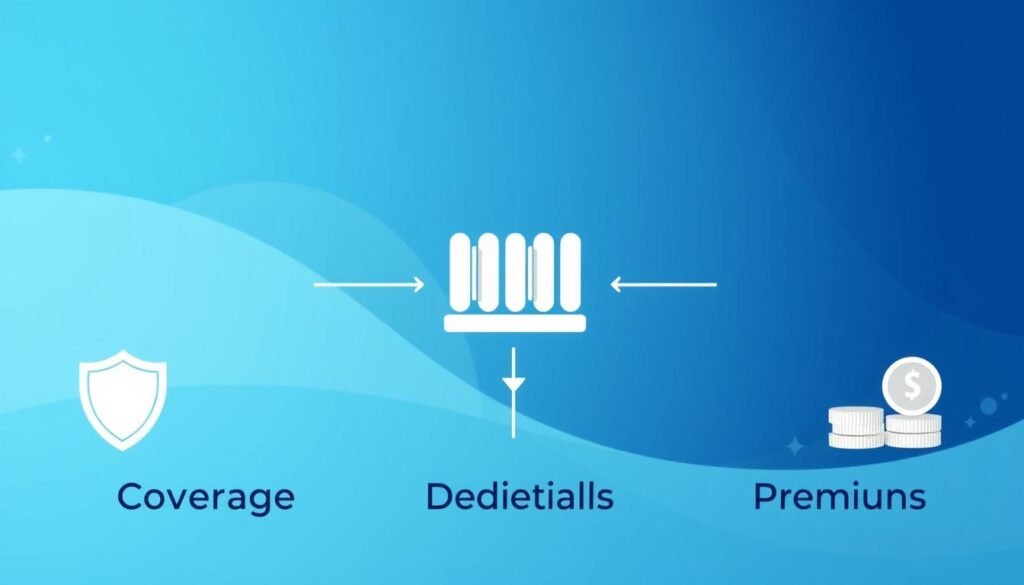
Did you know nearly 40% of U.S. adults don’t know about basic insurance terms? This shows how important it is to understand coverage, deductibles, and premiums. Knowing these terms helps us make smart choices for our financial safety. Insurance is a key safety net for unexpected events like accidents, illnesses, and property damage. By understanding coverage, deductibles, and premiums, we can protect our health and money better. Knowing how these parts work helps us pick the right insurance for us, getting ready for life’s surprises. Key Takeaways Understanding the core concepts, including the difference between coverage, deductibles, and premiums, is essential. Insurance acts as a safety net against unexpected events that could impact our lives. Knowledge of these components enables better decision-making when selecting an insurance policy. Assessing personal needs related to financial protection can lead to more suitable insurance options. Engaging with insurance terms empowers us to navigate the complexities of financial protection more effectively. Understanding Insurance Premiums Insurance premiums are the payments we make to keep our coverage active. These costs can change based on many factors. It’s important to know what affects them and the different types of premiums. What Is a Premium? A premium is the cost of an insurance policy, paid monthly or yearly. It helps protect us from losses. The amount you pay can change based on several factors, so it’s vital to understand this. Factors Affecting Insurance Premiums Many things can change how much you pay for insurance. Here are some key ones: Age: Young people might pay more in some cases. Location: Places at risk for natural disasters can cost more. Lifestyle Choices: Smoking or risky hobbies can raise your rates. Policy Features: The details of your policy can also affect the cost. Knowing these factors helps us pick policies that fit our budget and needs. Types of Premiums There are mainly two types of insurance premiums: Fixed Premiums: These stay the same for the policy’s entire term. Variable Premiums: These can change based on your risk and claims history. Understanding these types helps us find a policy that matches our budget and risk level. What You Need to Know About Insurance Deductibles Understanding insurance deductibles is key to managing your policy. Deductibles are the amounts you pay before your insurance starts. This section will explain deductibles, their types, and how they affect your costs. Defining Deductibles Deductibles are the upfront costs you pay before your insurance kicks in. The amount varies with your policy. Knowing about deductibles helps you make better insurance choices. Types of Deductibles There are different deductibles that can change your insurance costs: Fixed Deductibles: These costs stay the same for all claims. Variable Deductibles: These costs can change with the claim’s value. Annual Deductibles: These are the amounts you pay each year before coverage starts. The Role of Deductibles in Insurance Costs Deductibles play a big role in your premium costs. A higher deductible means lower premiums. This can be a good deal for those who don’t make many claims. Choosing the right deductible depends on your personal and financial situation. It’s about finding a balance between risk and cost that feels right for you. The Difference Between Coverage, Deductibles, and Premiums It’s important to understand insurance well to make smart choices. Coverage, deductibles, and premiums all play a role in our financial health. Knowing about these helps us pick the right coverage for our needs. How Each Component Works Together Coverage tells us what risks our policy covers. Deductibles are the upfront costs we pay before insurance helps. Premiums are what we pay to keep our coverage active. Knowing the difference helps us pick better insurance. A cheaper policy might have higher deductibles and less coverage. This could leave us at risk during claims. But, paying more for premiums can mean more coverage and lower deductibles, making us safer. Impact of Choosing Different Levels of Coverage Choosing coverage depends on our personal situation. We must weigh premium costs against coverage limits. For example, some might choose a cheaper plan with higher deductibles. Others might prefer a more expensive plan with lower deductibles. Our lifestyle and finances guide these choices. Making the right choice brings peace of mind and prepares us for the future. Feature High Premiums Low Premiums Potential Deductibles Typically Lower Typically Higher Coverage Limits Broader Coverage Narrower Coverage Out-of-Pocket Expenses Lower Costs in Claims Higher Costs in Claims Navigating Types of Insurance Coverage It’s important to know about the different insurance coverages. Each one is designed to handle specific risks. This way, we can be ready for anything that comes our way. Individual Health Insurance Coverage Individual health insurance helps with medical costs from unexpected health problems. It covers things like hospital stays, doctor visits, and prescriptions. Having the right health insurance plan means you’re financially secure when you need it most. Auto Insurance Coverage Explained Auto insurance offers several types of protection for car owners. It includes liability for accidents, collision for your car, and coverage for theft or natural disasters. Knowing what each part does helps us pick the best auto insurance for us. Homeowners Insurance Coverage Options Homeowners insurance is key for protecting our homes and belongings. It covers damage to the house, liability for accidents, and personal items. Remember, some disasters like floods need extra policies for full protection. It’s smart to check our homeowners insurance options to keep our homes safe. Strategies for Balancing Premiums and Deductibles Managing insurance costs is key. We can make smart choices by understanding our options. This helps us fit our insurance to our budget and needs. Choosing Higher Deductibles for Lower Premiums Choosing higher deductibles can lower your monthly payments. But, you might have to pay more if you need to make a claim. It’s important to check if you can afford the deductible before making this choice. Evaluating Your Risk Tolerance Knowing how much risk you’re okay with is important. Some people prefer lower monthly payments and higher deductibles. Others want
Review Insurance Policies: Optimal Timing Guide

Did you know nearly 60% of Americans are unsure if they have the right insurance? It’s important to stay informed about your insurance. Without regular checks, you might pay too much or not enough when you need it most. This guide helps you know when to review your insurance. It’s key to keep your coverage up to date with life’s changes. This way, you’re ready for anything that comes your way. Key Takeaways Regularly reviewing your insurance is key for the best coverage. Many people miss out on benefits, leaving them financially vulnerable. Life changes mean you might need to update your insurance. Knowing when to renew can save you a lot of money. Make reviewing your insurance a regular habit for peace of mind. Understanding Insurance Policy Reviews An insurance policy review checks if our coverage fits our current life and market changes. It helps us spot any gaps or if we’re paying too much. It’s key to review our insurance often, like when we get married or have kids. Big life changes or market shifts mean we need to check our insurance. This ensures it’s right for us and offers the best benefits. What is an Insurance Review? An insurance review looks at every part of your policy. It checks limits, deductibles, and what’s not covered. When our money or life situation changes, we should check our insurance too. This review shows what we have and what we might need for the future. It keeps our insurance up to date with our life and goals. Why is an Insurance Review Important? Policy reviews are very important. Our insurance needs change with life’s ups and downs. Regular checks help us keep up with these changes. They help us understand what we’re paying for and if we’re covered well. A review can also find ways to save money and improve our financial security. Benefits of Reviewing Insurance Policies Regularly checking our insurance policies has big benefits. It makes us feel safer and ensures our coverage fits our current needs. Understanding these perks helps us see the importance of regular checks. Peace of Mind with Adequate Coverage Having the right coverage gives us peace of mind. Life can throw surprises, so it’s key to protect our stuff and loved ones. By reviewing our policies, we can spot any missing coverage or too much of it, making the right changes. Potential Cost Savings through Updated Policies Renewing our insurance can save us money. By keeping an eye on our needs, we might find better deals or discounts. Life changes, like a new job or moving, can also lower our premiums. Reviewing our insurance helps our finances and keeps us safe. When Should You Review Your Insurance Policies? It’s important to know when to check our insurance policies. This can really help protect our finances. We should review them at least once a year, like a health check-up. This way, we can spot any needed changes before we face a problem. Annual Review Recommendations Experts say it’s key to check our insurance regularly. We should make time each year to look over our policies. This includes: Checking if our personal situation has changed. Looking at new options in the market. Seeing if our coverage limits and deductibles need adjusting. Life-Changing Events as Triggers for Review Big life changes are a good reason to review our insurance. Events like getting married, having a child, or buying a home change our needs. It’s vital to update our policies after these events to match our new life. Life Events That Prompt Insurance Reviews Life-changing events often make us rethink our insurance needs. When our circumstances change, reviewing our insurance is key. This ensures our policies match our current life situation. Events like new relationships or family additions can prompt us to check our coverage. Marriage and Partnership Changes Getting married or entering a partnership means combining finances and assets. This change often requires updates to our insurance. It’s important to review who we have listed as beneficiaries and our coverage limits to protect both partners. Welcoming New Family Members Having children is a big change that affects our finances. Families need more life and health insurance to protect their dependents. Reviewing insurance after having a child helps ensure everyone’s financial security. Buying or Selling Property Buying or selling a property changes our insurance needs. We need to check our homeowner’s insurance after such transactions. This ensures we’re covered against unexpected events and protect our property investment. Career Changes and Financial Shifts Changing careers or income levels might mean we need to update our insurance. If we earn more, we might need higher coverage limits. Reviewing our insurance after a career change helps us stay protected based on our current lifestyle and income. Other Factors Influencing Insurance Coverage Needs Many things outside of us can change how much insurance we need. Knowing about these changes helps us make smart choices. This way, we keep our protection up to date as life changes. Market Conditions and Economic Trends Changes in the market and the economy can really affect our insurance. When construction costs go up and repairs get pricier, our current coverage might not be enough. It’s important to check our insurance coverage needs often to avoid surprises. Changes in Local Laws and Regulations Local laws and rules often change, affecting our insurance. For example, new laws about liability or property insurance might require us to update our coverage. Keeping up with these changes helps us stay protected and in line with the law. Updates in Insurance Products The insurance world is always introducing new products to deal with new risks. Keeping up with these updates can help us get better coverage or save money. To find the best insurance for you, check out this link. How Often to Check Insurance Policies It’s key to know when to check your insurance policies. This keeps your coverage up to date. Experts say to review your policies yearly. But,
Navigating Life’s Surprises: How Insurance Helps You Plan

Did you know nearly 60% of Americans lack enough life insurance? This shows a big gap in getting ready for unexpected events. It’s key to know how insurance helps plan for life’s surprises. Insurance can protect you from sudden illnesses, accidents, or losing a loved one. It keeps you and your family safe. By planning ahead, you can secure your financial future and feel more at ease. In this guide, we’ll look at different insurance types, their benefits, and how they offer vital protection when you need it most. Key Takeaways Understanding insurance is essential for navigating life’s uncertainties. Insurance acts as a protective barrier against unforeseen events. Financial protection is key for securing your family’s future. Planning helps build peace of mind on life’s unpredictable path. Different types of insurance meet various needs and situations. Checking your insurance needs boosts long-term security. Understanding Life Insurance Basics Life insurance is a vital safety net that offers financial security and peace of mind. It helps individuals and families in times of need. Knowing the basics of life insurance helps us make smart choices about our coverage. It’s important to understand what life insurance is and what it does. It’s a promise to our loved ones that they will be taken care of if we’re no longer there. This knowledge brings comfort and security to our families. What is Life Insurance? Life insurance is a deal between you and an insurance company. You pay premiums, and they promise to pay out to your loved ones if you pass away. This money can help cover debts, living costs, and funeral expenses. It’s a way to ensure your family’s financial stability, even when you’re not there. This support can be a huge relief during tough times. How Does Life Insurance Work? Getting life insurance is easier when you know how it works. First, you choose a coverage amount based on your family’s needs. Then, you pay premiums regularly to keep the policy active. If something unexpected happens, your loved ones will get the money you’ve chosen. This money can help them manage expenses and stay financially stable. The Importance of Financial Protection It’s vital to understand the need for financial protection, mainly for our loved ones. Life insurance is key to this, ensuring families are supported in tough times. It helps ease the financial strain that comes with unexpected loss. With enough coverage, we can face the future with more confidence. How Insurance Provides Security for Your Loved Ones Life insurance gives families a financial boost after a loved one passes away. It can cover things like mortgages, education, and daily living costs. This support lets families keep their lifestyle, without worrying about money. By focusing on insurance for our loved ones, we help them manage life smoothly, even in hard times. Coverage for Possible Unexpected Events Unexpected events insurance brings peace of mind in our uncertain world. It helps families deal with surprises like accidents or illnesses. With the right policy, we can protect our loved ones from sudden money troubles. By choosing good financial protection, our families can focus on getting better, not worrying about bills. Type of Coverage Key Benefits Financial Protection Offered Life Insurance Helps with essential living expenses Mortgage payments, education costs Health Insurance Covers medical expenses Hospital bills, treatments Accidental Death Insurance Provides additional benefits after an accident Financial support for dependents Disability Insurance Replaces lost income Essential living costs during recovery How Insurance Helps You Plan for the Unexpected Insurance planning is key to getting ready for life’s surprises. It helps us figure out how much we need to cover our bases. We start by looking at our money situation now and what it might be in the future. Assessing Your Financial Needs Looking at our financial needs means checking a few important things. We should think about: Outstanding debts, like credit cards and personal loans Mortgages and housing expenses Education costs, such as college tuition for children Future goals, including retirement savings and investment planning This careful look helps us know how much insurance we need. It protects us and our families when things get tough. Building a Financial Safety Net Creating a financial safety net is more than just picking a policy. We need to know how much coverage we need and for how long. Here are some steps to take: Identifying possible risks and their financial effects Picking policies that cover those risks well Checking and updating coverage as our lives change By planning well, we build a strong safety net. It helps us face unexpected money problems. This plan also keeps our loved ones safe from surprises. Types of Insurance Coverage Available It’s important to know about different insurance options to plan your financial future. Two main types are term life insurance and permanent life insurance. Each has its own benefits and fits different needs. Term Life Insurance: Advantages and Disadvantages Term life insurance covers you for a set time, usually 10 to 30 years. It’s cheaper, making it a good choice for those on a budget. Its main benefits are: Lower premiums than permanent life insurance Easy and clear benefits Great for families needing protection for a short time But, term life insurance has downsides. After the term ends, you need to renew it, often at a higher cost. This can be a worry for those wanting coverage for life. Permanent Life Insurance: When It Makes Sense Permanent life insurance lasts your whole life and can grow in value. It includes types like whole life and universal life insurance. It’s good for: Long-term coverage without ending A cash value that grows and can be used Helping with future financial needs Keep in mind, it costs more. But, for those looking for long-term security, it might be worth it. Feature Term Life Insurance Permanent Life Insurance Duration Specific term (10-30 years) Lifelong coverage Premiums Lower, more affordable Higher, varies by type Cash Value No cash value accumulation Yes, grows over time Best
Right Coverage vs. Cheap: What’s Best for You?

Did you know nearly 30% of Americans choose cheap insurance over the right coverage? This shows a big gap in understanding what real protection means. Many people and businesses face a big choice: go for something cheap or get solid coverage for peace of mind. Exploring the difference between cheap and tailored insurance is key. Knowing your options well is vital to protect your money and future. With economic pressures, it’s easy to pick cheap insurance. But, it’s important to see why the right coverage is better. We’ll help you understand what matters most for your choices. Key Takeaways Understanding the difference between right coverage and cheap insurance is essential for long-term protection. Many individuals are underinsured, putting themselves at financial risk. Choosing the right insurance can safeguard against unexpected expenses. Evaluation of different policies helps in making informed choices. It’s vital to align insurance options with personal or business needs. Investing in proper coverage can lead to lower out-of-pocket costs in times of need. Explore various insurance quotes to find the best fit for your requirements. Understanding Insurance Coverage Options Choosing the right insurance coverage means knowing your options. We look at personal and commercial auto insurance to understand their features and limits. This knowledge is key to comparing insurance plans effectively. Personal Auto Insurance: Key Features and Limitations Personal auto insurance is for those who use their cars for personal reasons. It includes important parts like: Liability Coverage: Covers damages to others in an accident. Collision Coverage: Pays for your car’s damages after a crash, no matter who’s at fault. Comprehensive Coverage: Protects against theft, natural disasters, and other non-crash incidents. Personal Injury Protection: Covers medical costs for you and your passengers after an accident. Even though personal auto insurance meets many needs, it has limits. For those using cars for work, it might not be enough. Commercial Auto Insurance: What You Need to Know Commercial auto insurance is vital for businesses that use vehicles. Knowing its details helps pick the right policy for your business. Key points include: Business Use Coverage: Protects vehicles used for work. Liability Protection: Covers employees driving for work, like personal insurance but more. Fleet Coverage: Covers multiple vehicles under one policy. Customizable Options: Lets businesses adjust policies to fit their needs. Comparing personal and commercial insurance shows the difference in coverage needs. Choosing the right policy is key for protection and peace of mind. Importance of Quality Coverage Knowing the value of good coverage is key to any insurance choice. Making smart insurance decisions can keep your finances safe during tough times. Many think they save money with cheaper options, but this can cause big problems later. Why Compromising on Coverage Can Cost You More It might seem smart to choose cheaper coverage at first. But, not having enough can lead to big costs later. Those with little coverage might have to pay a lot if they’re in an accident. Not having enough protection can hurt your finances badly. Good coverage protects your stuff and gives you peace of mind. It’s important for times when things are unsure. Coverage Levels: Minimum vs. Basic It’s important to know the difference between basic and full coverage. Basic coverage meets legal requirements but might not protect well in big situations. Full coverage, on the other hand, offers more protection for many things, like theft or natural disasters. Choosing the right coverage can save your investments. It helps you get back on your feet after a loss. Why Having the Right Coverage Is Better Than Cheap Coverage Choosing the right insurance is a smart move for your future. It’s a big difference between quality insurance and cheap insurance. The right coverage gives you peace of mind and a safety net in tough times. Long-Term Financial Protection A good insurance plan helps you and your family stay safe financially. Deciding on affordable vs. full coverage wisely can save you money later. It keeps your assets safe, ready for any financial storm. Decreasing Out-of-Pocket Costs Choosing quality coverage means less surprise costs. Many wonder why it’s better than cheap coverage. It protects you from big bills after accidents. Quality insurance saves you money in the long run, helping you plan better. The Cost of Insufficient Coverage Low-cost insurance might seem good, but it can leave you exposed. Not having enough coverage can hurt your finances badly. The right coverage prepares you for anything, showing it’s a smart investment for security. In short, knowing the difference in coverage helps protect your financial future. Choosing quality over cost makes insurance a key partner in your journey to stability and strength. Insurance Coverage Comparison: Finding Your Best Fit Choosing the right insurance is key to protecting our money. By comparing different insurance plans, we can find the best one for us. This helps us understand our needs and look at all the options available. Evaluating Different Policies and Providers When picking a policy, don’t just look at the cost. Each policy has its own good and bad points. Here are some things to think about: Coverage limits and exclusions Deductibles and co-pays How fast claims are processed and customer service The financial health of the provider To find the right insurance, carefully check these points for each provider. This way, we can find coverage that fits our needs and gives us peace of mind. Understanding Your Needs and Risk Exposure Our insurance choices should match our needs and risks. Think about how your life, family, and money goals affect your insurance needs. Ask yourself: What do I need to protect? What risks am I facing? How do big life changes, like getting married or having kids, change my insurance needs? By focusing on these questions, we can make smart choices that protect our financial future. Conclusion Choosing the right insurance is more than just finding the cheapest option. It’s about keeping our finances safe for ourselves and our families. It also helps protect our businesses. By looking at our unique
Simplify Insurance Terms – Easy Understanding Guide

Did you know nearly 70% of Americans struggle with their insurance policies? This shows a big need to make insurance terms easier to understand. We want to help you understand your policies better, so you can make smart choices about your coverage. Learning about insurance terms in simple language boosts your confidence. It also helps you get the right coverage for your needs. We aim to make insurance less scary, helping you avoid problems with your policies. In this guide, we’ll make insurance easier to understand. We want to help you feel ready and informed when dealing with insurance. Let’s start this journey together. Key Takeaways Understanding insurance terms is key for making good choices. Making insurance terms simple can save you from big mistakes. Clearing up insurance terms helps families and businesses. Knowing your policies means you get the right coverage. Introduction to Insurance Terminology Understanding insurance can seem tough, but knowing the basics is key. So, what is insurance? It’s a way to protect yourself from risks like accidents or theft. By paying a premium, you let the insurance company handle those risks for you. Knowing insurance terms is very important. Learning about premiums, deductibles, and exclusions helps us make smart choices. It lets us understand our policies better and feel more confident when dealing with insurance. Getting to know insurance terms helps us understand what we’re paying for. It also makes sure we have the right coverage. Looking into insurance quotes can help us get the best protection for our needs. Key Insurance Terms Explained Learning key insurance terms can really help us understand policies better. Each term gives us insight into how coverage works and what to expect with claims. With this knowledge, we can make better choices, making sure our insurance fits our needs. Adjuster and Claims An insurance adjuster is key in handling claims. They check damages or losses and decide how much the insurance will pay. Knowing how this works helps us talk better with adjusters, which can speed up the process and make it easier. Coverage and Exclusions Coverage is what our policy protects us from. It’s important to look at this closely because it shows what’s covered and what’s not. Exclusions are things our policy doesn’t cover. Knowing about these helps us avoid surprises when we need to file a claim or think about extra coverage. Understanding Premiums and Deductibles Premiums are the payments we make for our insurance. The amount can change based on many things, like how much coverage we have and our risk level. Deductibles are what we pay first before insurance kicks in. Both affect our money decisions, helping us find policies that protect us well without costing too much. Understanding Insurance Terms in Simple Language Understanding insurance jargon can be tough, but we think it’s easier when we break it down. Knowing the right terms helps us pick the best insurance for us. For example, actual cash value is what something is worth after it’s lost. On the other hand, replacement cost pays for a new item without considering its old value. This knowledge helps us get the most out of our policies. Decoding Insurance Jargon Insurance terms can be complex, but they’re not impossible to grasp. Knowing key terms like liability protection and additional living expenses helps us make better choices. Each policy has its own special features, so it’s important to understand them to get the most protection. Demystifying Common Policies There are many types of insurance, like home, auto, health, and business. Each has its own set of terms. By making these terms clear, we can see what each policy offers. We can also add special features to fit our needs. For more help, we can look at a disability insurance quote to find the right coverage. How to Simplify Your Insurance Experience Effective communication is key when dealing with insurance. Taking the right steps when talking to insurance agents can make things easier. Knowing your policy and getting clear on coverage is important. Tips for Communicating with Your Insurance Agent Talking to your insurance agent should be easy and helpful. Here are some tips to help you communicate better: Prepare Questions: Write down any questions about your policy before you meet. Be Clear About Your Needs: Tell your agent exactly what you need from your coverage. Request Definitions: Ask your agent to explain any confusing terms. Seek Examples: Ask for examples to better understand how your policy works. Schedule Follow-Ups: Don’t be afraid to ask for another meeting if you need more info. Ensuring Clear Understanding of Your Policy To understand your insurance policy better, try these tips: Read Your Policy Thoroughly: Take the time to read your policy carefully, noting all coverage areas. Highlight Key Sections: Mark important sections that show your coverage limits and what’s not covered. Ask for Clarification: If something is unclear, ask your agent to explain it further. Review Annually: Check your policy regularly, like when your situation changes. Conclusion We’ve looked into the key terms of insurance policies. Understanding these terms helps us choose the right coverage. It makes navigating our insurance options easier. When talking to insurance agents, clear communication is key. Knowing the terms and details of policies helps us get the right financial protection. This way, we’re not just buying a policy; we’re securing peace of mind for ourselves and our families. It’s important to keep learning about insurance. By regularly reviewing our needs, we can adjust our coverage. Simplifying insurance terms helps protect our future. It ensures our choices are in our best interest and bring us peace of mind. FAQ What is the difference between actual cash value and replacement cost? Actual cash value is the item’s value after it has depreciated. Replacement cost, on the other hand, is the full price to replace the item. Knowing this helps you understand what your insurance covers. How is my insurance premium determined? Your premium is based on several factors. These include
Guide: Choose the Right Insurance Coverage

Did you know nearly 1 in 4 Americans have no insurance? This shows how vital it is to pick the right coverage. In this guide, we’ll show you how to find insurance that fits your needs. It’s important to understand insurance for your safety and peace of mind. We aim to give you clear and reliable solutions. Whether you’re comparing policies or looking for the best tips, our guide will help. You’ll learn how to make smart choices about your insurance. Key Takeaways Understanding your personal needs is key to selecting insurance coverage. Assessing key assets helps identify necessary protection. Comparing policies allows for informed decision-making. Evaluating insurance premiums ensures affordability and awareness. Researching providers can lead to better customer experiences. Regular reviews of your coverage are necessary for optimal protection. Understanding the Importance of Insurance Coverage Insurance coverage is key to our financial health. It acts as a shield against sudden costs from accidents, health problems, or natural disasters. Knowing how important insurance is helps us face life’s surprises with more confidence. By using smart tips for evaluating insurance, we make sure we pick the right coverage. Protection against Financial Loss Good insurance coverage keeps us from big financial hits. If something unexpected happens, the right policy can help pay for medical bills, property damage, or legal fees. By finding the right coverage for our needs, we can avoid financial shocks and stay stable. The Role of Risk Management Risk management is all about spotting, assessing, and tackling risks. It helps us keep our finances safe. Choosing the right insurance means knowing our risks and picking policies that reduce them. With good risk management, we protect our assets and well-being. How to Choose the Right Insurance Coverage Choosing the right insurance is all about understanding our personal situations. We need to know what we need first. This helps us plan our insurance better. Assessing Your Personal Needs We should look at several things: Health conditions and medical history Occupation and associated risks Family size and obligations Financial commitments, such as loans and mortgages Knowing these helps us pick policies that fit our lives. This way, we can protect what’s important to us. Identifying Key Assets and Risks It’s important to know what we own: Real estate properties Vehicles Investments and savings Personal belongings Looking at risks helps us figure out how much coverage we need. This helps us choose the right insurance for our safety. Asset Type Potential Risks Recommended Coverage Home Fire, theft, natural disasters Comprehensive homeowners insurance Car Accidents, theft Full auto coverage with liability Investments Market fluctuations, loss of value Long-term financial advisory services Personal Belongings Theft, damage Renter’s or homeowners insurance By doing these assessments, we make better choices in insurance. Knowing our needs and what we own helps us find the right insurance. This gives us security and peace of mind. Types of Insurance Coverage Available Knowing about different insurance types helps us pick the best for our needs. Each type protects our health, assets, and belongings. This knowledge is key to making smart choices. Learning about these options helps us plan better and choose the right insurance. Health Insurance Options Health insurance comes in many plans to fit various needs. Here are some common ones: Health Maintenance Organizations (HMOs): Members must use a network of doctors. Preferred Provider Organizations (PPOs): Allows more freedom in choosing doctors. High Deductible Health Plans (HDHPs): Has lower premiums but higher costs. Looking into these plans helps us find the best fit for our health needs. Auto Insurance Coverage Types Auto insurance has several types to consider: Liability Coverage: Covers legal costs for injuries or damages. Collision Coverage: Pays for damages to our vehicle in accidents. Comprehensive Coverage: Protects against theft and other non-accident damage. Each auto coverage type has its own role. They ensure we’re well-protected while driving. Homeowners and Renters Insurance Homeowners and renters insurance is vital for property protection. It covers losses from: Damage: Pays for repairs and restoration. Theft: Covers stolen items. Knowing the differences between homeowner’s and renter’s insurance is important. It helps us choose based on our living situation. Evaluating Insurance Premiums Exploring insurance premiums means looking at what affects rates. Knowing these factors helps us make smart choices when comparing policies. It ensures we get the right coverage at a fair price. Factors Influencing Premium Rates Many things decide how much we pay for insurance. Here are the main factors: Age: Young people often pay more for auto insurance because of less driving experience. Older people might pay more for health insurance. Location: Where you live can change your rates. Cities usually cost more than rural areas because of higher risks. Coverage Amounts: More coverage means more protection but also higher costs. Claims History: If you’ve filed many claims, your rates might go up. Insurers see this as a bigger risk. Understanding Deductibles and Coverage Limits Deductibles and coverage limits are key to understanding our financial role. A deductible is the amount we pay before insurance kicks in. Higher deductibles mean lower premiums, and vice versa. Coverage limits show the max an insurer will pay for covered losses. Knowing these limits helps avoid being underinsured. It balances cost and coverage for peace of mind. Factor Impact on Premiums Age Lower rates for older adults; higher for younger drivers. Location Urban areas typically have higher premiums due to increased risk. Coverage Amounts More coverage leads to higher costs but better protection. Claims History A history of claims can result in increased premium rates. Insurance Policies Comparison Techniques Exploring the world of insurance requires comparing different policies carefully. It’s important to look at each policy’s unique features and what it covers. Knowing about covered events, policy limits, and what’s not covered is key to making smart choices. Comparing Policy Features and Inclusions When looking at insurance policies, we need to focus on several important aspects. These include: Types of events covered by each policy Limits of coverage for specific incidents Exclusions or
Busting Common Insurance Myths That Save Cash

Did you know nearly 30% of Americans think they don’t need life insurance? They believe they can count on their employer’s coverage. This is just one of the many myths that cost people money. Learning about these misconceptions can save you a lot and protect you better. As we explore these common myths, we’ll show how fixing these wrong ideas can boost your financial safety. We’ll also share ways to save on insurance, helping you make smart choices about your coverage. Key Takeaways Many individuals rely too heavily on employer coverage, potentially leaving gaps in protection. Misunderstandings about life insurance can lead to financial pitfalls. Younger individuals often underestimate the benefits of securing insurance early. Cost misconceptions can hinder people from obtaining necessary coverage. Periodic review of policies is essential for ensuring adequate protection. Understanding the Importance of Insurance Insurance is key to our well-being, providing a vital layer of protection. It helps us face life’s unknowns, like accidents, illnesses, and even death. With insurance, we can keep our finances safe during tough times. Choosing the right insurance is a smart move to protect our loved ones. It’s important to check our insurance needs often, as they can change. This way, we can stay ready for life’s surprises. Seeing insurance as an investment in peace of mind is essential. The right coverage lets us live our lives without worry. We know our financial security is taken care of, no matter what the future holds. Common Insurance Myths That Cost People Money Many people fall into costly insurance traps. It’s key to know the basics to avoid these issues. We’ll look at how not understanding insurance can hurt your wallet. The Real Costs of Misunderstanding Insurance Not getting insurance right can mean you’re not covered enough. This can lead to big bills when you need help. Policies that don’t cover enough can be a disaster for families. Here’s how not knowing about coverage can cost you: Coverage Type Common Misunderstanding Potential Financial Impact Health Insurance Believing all medical expenses are covered $10,000+ in unexpected medical bills Life Insurance Assuming employer life insurance is sufficient Lack of funds for dependents might lead to financial insecurity Homeowners Insurance Ignoring actual replacement costs Thousands lost after a disaster due to undercoverage How Ignorance of Insurance Facts Affects Finances Not knowing about insurance can mess up your money management. Without the right info, you might pick the wrong policy. This can leave you without the protection you need or with high bills. Insurance experts often point out these mistakes. Learning more about insurance can help you avoid these problems. It lets you make better choices for your money. Myth #1: Employer Coverage is Enough Many people think that life insurance from their job is enough to protect their loved ones. They might not realize the big gaps in what their job offers. Limitations of Group Life Insurance Group life insurance usually covers 1 to 2 times what you make each year. This might not be enough to cover all your family’s needs or replace your income if you pass away. It can leave families in a tough spot, relying only on this for protection. Why Individual Policies Matter Looking into individual life insurance significance is key when you’re choosing protection. Individual policies can be adjusted to meet your family’s specific needs. They offer more coverage than what your job might provide, giving you peace of mind. Myth #2: Life Insurance is Only for the Wealthy Many think life insurance is only for the rich. But this is a big insurance myth. Life insurance is actually for everyone, no matter their income. It’s designed to fit any budget and need. Life insurance is key for anyone with financial duties. This includes families, couples, and those caring for aging parents. There are affordable options, so it doesn’t have to be expensive. Even a small policy can offer the protection and peace of mind you need. Here are some important points about life insurance: Financial Protection: It helps loved ones avoid debt in tough times. Coverage Tailored to Needs: There are many types of life insurance for different budgets and situations. Long-Term Security: Planning for the future is important for everyone, making life insurance a vital financial tool. Myth #3: I Don’t Need Insurance if I’m Young and Healthy Many young adults think they don’t need life insurance because they’re healthy. But, this belief can lead to missing out on great benefits. Young adults life insurance offers unique advantages that are often overlooked. Locking in Low Rates Buying life insurance when you’re young means you get lower premiums. Rates are lower for the young and healthy because they’re seen as less risky. As you get older, these rates go up, making coverage more expensive. By getting insurance early, you save money now and in the future. This ensures you have coverage when you need it most. Financial Protection for Future Dependents Young adults might not have dependents now, but things can change fast. Getting life insurance early protects your loved ones in the future. It could be a spouse, kids, or other family members. Insurance helps ensure their financial needs are met. It gives you peace of mind. Having a financial safety net is key in unexpected times. It shows life insurance is not just for today, but for tomorrow too. Myth #4: Life Insurance is Too Expensive Many people think life insurance is too pricey. This belief often comes from insurance cost misconceptions. But, there are many ways to find affordable life insurance. Debunking the Cost Misconceptions It’s common to believe top-notch life insurance is expensive. But, for many healthy folks, it can cost just $20 to $30 a month. The trick is knowing the different plans and what they provide. Comparing Term vs. Whole Life Insurance The choice between term vs. whole life insurance affects policy costs. Here’s a detailed look at both: Feature Term Life Insurance Whole Life Insurance Premiums Lower, typically $20-$30/month Higher,