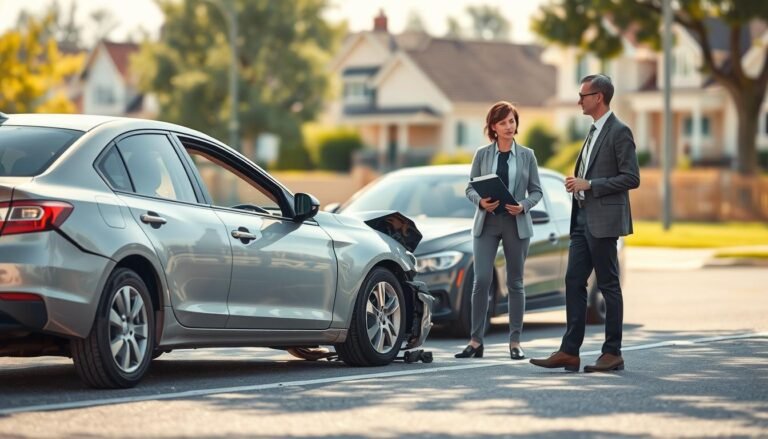
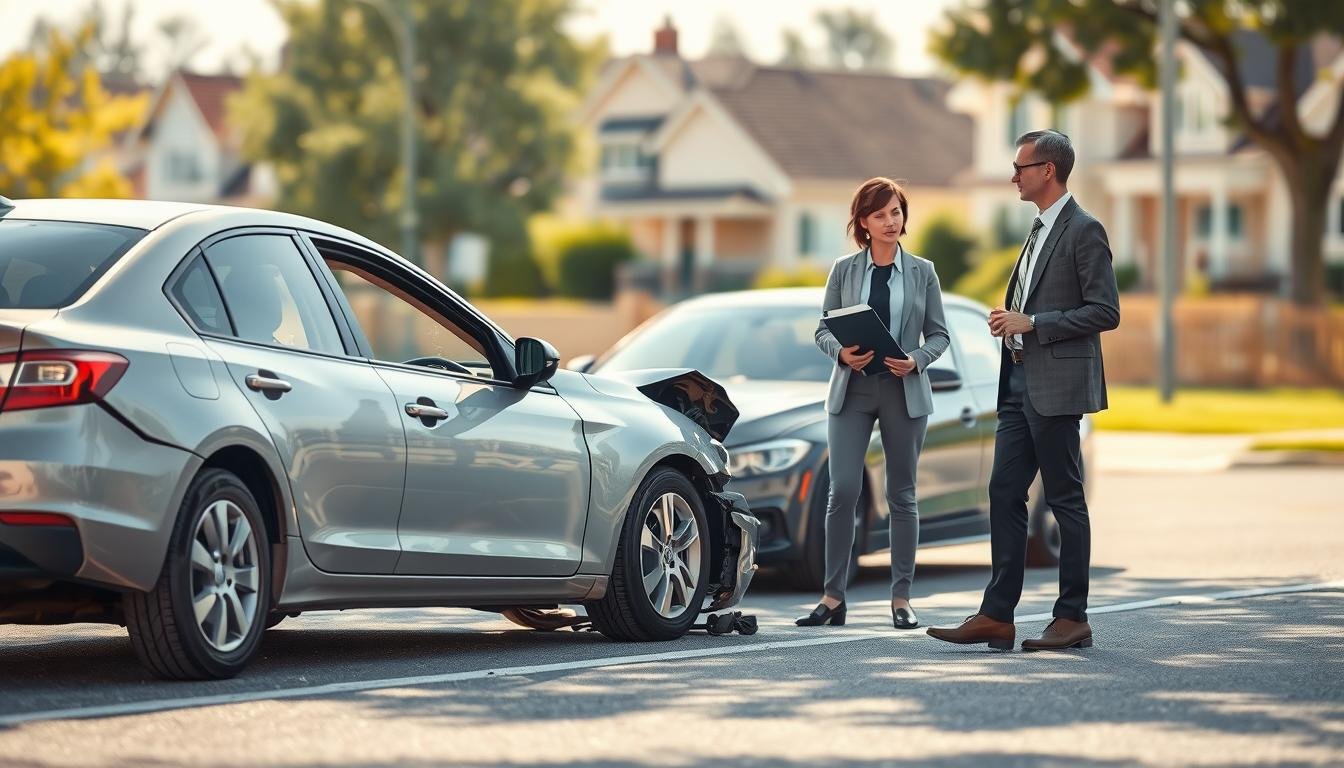
Did you know over 6 million car accidents happen in the U.S. each year? Knowing about auto insurance can really help after an accident. It gives us peace of mind, whether it’s a small fender bender or a big crash. We’ll explain how auto insurance helps after a crash, including key coverage types and what to do next.
Auto insurance is more than just a legal must in most states. It’s a financial safety net that covers vehicle damage, medical bills, and more. By knowing our coverage options, we can avoid big financial mistakes. For more info, check out our valuable resources on auto insurance.
Key Takeaways
- Auto insurance protects against financial losses from accidents.
- There are multiple coverage types, including liability and comprehensive.
- Taking the right steps after an accident can streamline claims.
- Notifying your insurance company promptly is key.
- Understanding your policies can lead to peace of mind and better preparedness.
Introduction to Auto Insurance After a Crash
Auto insurance is key for drivers, giving them financial safety in accidents. Knowing about auto insurance after an accident can reduce stress. It’s important to understand how our policy works when accidents happen.
Handling claims can be tough, but knowing the basics helps. Car insurance basics teach us about different coverages. This knowledge helps us understand our protection against various risks.

This guide is a starting point for understanding auto insurance after a crash. Knowing the types of coverage we have helps us feel more confident. It makes it easier to deal with claims and avoid problems.
How Auto Insurance Protects You After an Accident
It’s key to understand the different auto insurance coverages to get the right protection after an accident. Knowing how each type works helps us choose wisely based on our needs and budget.
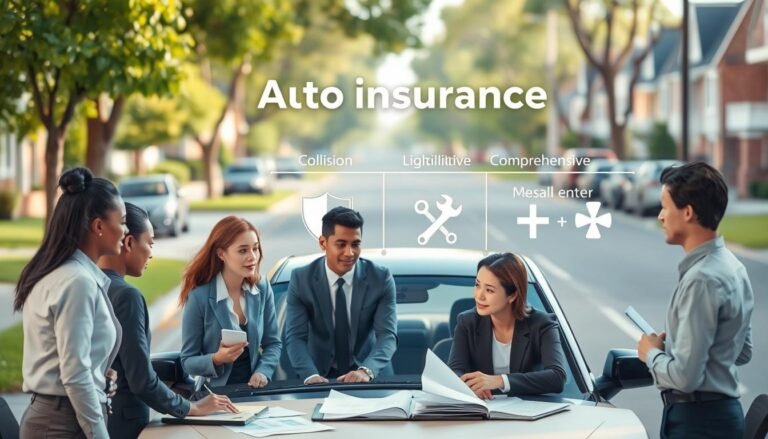
Coverage Types: Liability, Collision, and Comprehensives
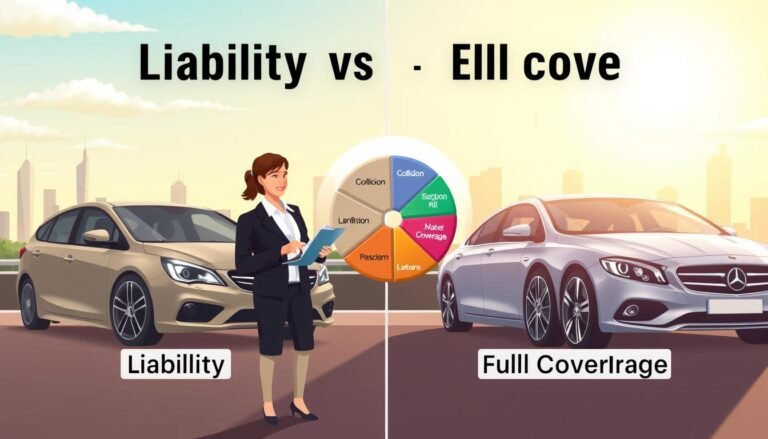
Liability insurance is a must in most states. It covers damages or injuries we might cause to others. But, it doesn’t help with our medical bills or car repairs.
Collision and comprehensives offer more protection. Collision insurance covers our car’s repairs, no matter who’s at fault. This is great for newer or financed cars that cost a lot to fix. Comprehensives cover damages from things like theft, vandalism, or natural disasters. These two types help us deal with car-related risks well.
Additional Coverage Options: Uninsured and Underinsured Motorist Coverage
There are more options like uninsured and underinsured motorist coverage. Uninsured motorist coverage helps when hit by drivers without insurance. It covers our medical costs and car damages.
Underinsured motorist coverage is for when the other driver’s insurance isn’t enough. It fills the gap between what the driver has and what we need. This gives us a safety net and peace of mind against underinsured drivers.
Key Steps to Take Immediately After an Accident
Being in a car accident can be very stressful. It’s important to know what to do right away. First, we must prioritize our safety. Staying calm helps us think clearly and act wisely.
Remain Calm and Assess the Situation
When an accident happens, it’s key to take a deep breath. We need to make sure everyone is safe. If it’s safe, move to a place away from traffic.
Look for injuries in yourself and others. Call for help if someone needs medical care.
Collect Essential Information at the Scene
While staying calm, start gathering information. It’s important to talk to the other driver(s). Get their names, contact info, insurance details, and car plates.
This info is vital for documenting the accident. It helps a lot with insurance claims later on.
Documenting Evidence for Future Claims
It’s important to document everything well. Take photos of the damage, the scene, and any injuries. These photos help tell the story of what happened.
| Step | Description |
|---|---|
| Stay Calm | Take a moment to breathe and focus on safety. |
| Assess the Situation | Check for injuries and if safe, move to a secure location. |
| Information Exchange | Collect names, contact details, and insurance information. |
| Document Evidence | Take photos of damages, the scene, and any injuries. |
The Importance of Notifying Your Insurance Company
It’s very important to tell your insurance company right after an accident. Many policies need you to act fast for insurance reporting. This starts the claims process smoothly.
Even if you think you weren’t at fault, telling them helps. It lets claims adjusters start their work quickly.
What to Report and When
Here’s what you should tell them:
- The date and time of the incident
- The location of the accident
- Contact information of all parties involved
- Details of any injuries
- A description of the damages
Having this info ready makes the claims process easier. It lets the insurer start investigating quickly.
Consequences of Failing to Notify
Not telling your insurance company can cause big problems. These include:
- Claims denial, if they find out you were late
- Delayed claims processing, which can be stressful
- Potential legal issues because of unreported accidents
Knowing these risks shows why it’s key to notify your insurance after an accident. It helps avoid extra trouble.
Navigating the Insurance Claim Process After a Crash
Dealing with insurance claims after an accident can be tough. Knowing about claims adjusters and the investigation helps a lot. It’s important to understand our rights to protect ourselves during this time.
The Role of Claims Adjusters
Claims adjusters are key in the claims process. They check damages, figure out who’s at fault, and decide how much we’ll get. They make the process clearer and help us get along better.
What to Expect During the Investigation
The investigation will look closely at the accident. They’ll check police reports, talk to witnesses, and look at the cars. How well they do this affects how much we get back. Knowing this helps us stay ready.
How to Protect Your Rights During the Process
It’s vital to protect our rights during claims. Don’t sign anything without knowing what it means. Watching the process and making sure our side is strong is key. Getting legal help can also help us out, if needed.
Understanding Auto Insurance Coverage for Vehicle Damage
Auto insurance is key to protecting our finances. It covers various types of damage, like accidents or other incidents. Knowing the difference between these helps us manage costs better.
How Collision and Comprehensives Coverage Work
Collision coverage helps with accident damages, no matter who’s to blame. It ensures our vehicle is safe from unexpected events. On the other hand, comprehensive coverage deals with non-accident damage, like theft or natural disasters. Both types are important for our vehicle’s safety and our peace of mind.
Limits and Deductibles Explained
It’s important to understand insurance limits and deductibles. Limits show the max an insurer will pay for a claim. Knowing these helps us prepare for possible costs. Deductibles are what we pay first before insurance kicks in. Knowing both helps us grasp insurance costs and how they affect our finances in case of an accident.
| Coverage Type | Description | Benefits | Typical Coverage Limits | Typical Deductibles |
|---|---|---|---|---|
| Collision Coverage | Covers damages from accidents | Protects vehicle value | Varies by insurer | $500 to $1,000 |
| Comprehensive Coverage | Covers non-collision incidents | Protects against theft and natural disasters | Varies by insurer | $250 to $1,000 |
Benefits of Auto Insurance After a Collision
Auto insurance offers big help after a crash. It eases the financial stress we face. The right coverage supports us in dealing with unexpected costs after an accident.
It’s not just about fixing the car. It’s about helping us recover and stay financially stable.
Financial Protection Against Medical Bills
Auto insurance protects us from huge medical bills. It covers the costs for us and our passengers. This means we don’t have to worry about medical expenses after an accident.
We can focus on getting better without stress about medical bills.
Rental Car Coverage and Other Expenses
Insurance often pays for a rental car while our car is fixed. This lets us keep up with our daily life even without a car. Plus, it helps with other costs after a crash.
It offers reimbursement for expenses that come up during this tough time.
Conclusion
Understanding our auto insurance after a crash is key. It helps us deal with the claims process and stay protected. Knowing about the different types of coverage is important for managing an accident’s aftermath.
Learning about our insurance options helps protect our finances. It also gives us peace of mind after an accident. This way, we can focus on getting better instead of worrying about costs.
Being prepared with this knowledge helps us make smart choices on the road. We suggest everyone to get to know their insurance policies well. This ensures they have the right coverage for their needs.