
The Auto Insurance Every Driver Should Have.

Did you know nearly 14% of drivers in the U.S. are uninsured? This is a big problem. Auto insurance is more than just a law; it’s a safety net for our finances on the road. Knowing what auto insurance you need is key to avoiding big financial losses. Every state has its own rules for auto insurance. You usually need to have liability insurance to protect others if you cause an accident. But, just meeting the minimum might not be enough. In this article, we’ll explore the different types of auto insurance you need to stay safe and worry-free on the road. Key Takeaways Auto insurance is vital for protecting yourself and others. Knowing your state’s rules helps you meet the legal minimums. Adding coverages like collision and comp can offer more protection. Being informed helps you pick the right coverage for your needs. Auto insurance is not just for safety; it’s also for financial security. Understanding the Importance of Auto Insurance Auto insurance is a must for every driver. It acts as a financial shield against accidents. Many states require car insurance, focusing on basic liability coverage. This coverage protects against injuries and property damage if you’re at fault. But, these minimums might not protect your assets fully. If your coverage is too low, you could face big costs. This could harm your finances, home, and savings. It’s key to choose insurance that protects your financial health. Car insurance does more than meet legal needs; it gives you peace of mind. With the right coverage, you can drive without worry. It’s about keeping you safe and financially secure. Auto Insurance Coverage Every Driver Needs It’s key to know about the different auto insurance coverages. These coverages help protect us financially and give us peace of mind. We’ll look at the main types of coverage every driver should think about. Liability Coverage: Protecting Yourself and Others Liability coverage is a must-have in auto insurance. It helps cover costs for injuries or damages we might cause to others or their property. Most states require a certain level of liability coverage, so it’s very important. Collision Coverage: Repairing Your Car After an Accident Collision coverage is vital for fixing your car after an accident. It doesn’t matter who’s at fault. This coverage ensures your car gets fixed fast. It helps avoid long waits for another party’s insurance to pay. Comprehensive Coverage: Coverage Beyond Collisions Comprehensive coverage protects against many non-collision incidents. It covers theft, vandalism, natural disasters, and more. With this coverage, we know our car is safe from many risks, not just accidents. Uninsured Motorist Coverage: A Necessity on the Road Uninsured motorist coverage is often overlooked but is very important. It helps if you’re in an accident with someone who doesn’t have enough insurance. This coverage makes sure we don’t have to pay for medical bills or repairs ourselves. Adding these insurance types to our policy makes driving safer. They help us deal with damages from others and unexpected events. These coverages create a strong safety net for us. Exploring Optional Auto Insurance Coverages Auto insurance has many parts, and optional coverages are key. They add extra security and peace of mind. These coverages are more than just basics. Personal Injury Protection (PIP) Explained Personal injury protection, or PIP, pays for medical costs and lost wages after an accident. It doesn’t matter who caused the accident. This is very helpful in states with no-fault laws. With PIP, we can get the medical care we need right away. It helps us and our passengers avoid big medical bills. Rental Car Reimbursement: Staying Mobile After an Accident Rental car reimbursement helps when our car is in the shop. It lets us keep moving without extra costs. This is great for work or family needs. It keeps us independent and lets us keep up with our daily lives. We don’t have to stop because of an accident. Roadside Assistance: Peace of Mind on Every Journey Roadside assistance is a must-have for any driver. It offers peace of mind on the road. It covers towing, tire changes, fuel delivery, and more. When our car has a problem, roadside assistance is there. It means we’re never stuck, and we can stay calm until help comes. Factors That Influence Auto Insurance Premiums Auto insurance can be confusing. Knowing what affects our premiums helps us save money. Several key factors play a big role in these rates. Driving Record and Claims History Your driving history is very important to insurance companies. A clean record means lower premiums. But, accidents or tickets can raise your rates because you’re seen as a higher risk. Vehicle Type and Usage The car you drive affects your insurance costs. Fast or fancy cars cost more because they’re pricier to fix and steal. But, sedans and family cars are often cheaper. How you use your car also matters, like for work or fun. Location and Its Impact on Premium Rates Where you live changes your insurance rates. Cities have higher rates because of more traffic and theft. But, living in the country might mean lower premiums because it’s safer. Knowing this helps you guess your premium better. Factor Impact on Premiums Driving Record Clean record leads to lower premiums; violations increase rates. Vehicle Type Luxury and sports cars have higher costs; safer cars lower rates. Location Urban areas usually result in higher premiums; rural areas are often lower. Choosing the Right Coverage for Your Needs Choosing auto insurance coverage is a big decision. We need to think about our lifestyle, how often we drive, and what we can afford. It’s also important to know the state requirements, as they vary and can affect our choices. Assessing Your Coverage Needs Based on Lifestyle Our lifestyle affects the auto insurance we need. For example, people who drive a lot might want more liability coverage. Those who drive less might choose basic coverage. Understanding our driving habits helps us make the right choice. Understanding State-Specific
Understand Your Auto Insurance Protection After a Crash
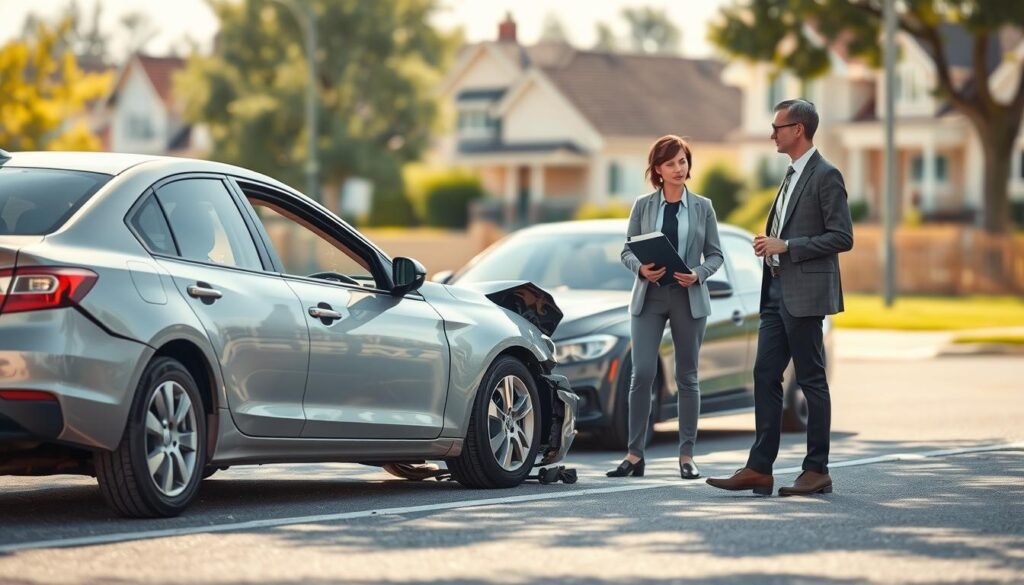
Did you know over 6 million car accidents happen in the U.S. each year? Knowing about auto insurance can really help after an accident. It gives us peace of mind, whether it’s a small fender bender or a big crash. We’ll explain how auto insurance helps after a crash, including key coverage types and what to do next. Auto insurance is more than just a legal must in most states. It’s a financial safety net that covers vehicle damage, medical bills, and more. By knowing our coverage options, we can avoid big financial mistakes. For more info, check out our valuable resources on auto insurance. Key Takeaways Auto insurance protects against financial losses from accidents. There are multiple coverage types, including liability and comprehensive. Taking the right steps after an accident can streamline claims. Notifying your insurance company promptly is key. Understanding your policies can lead to peace of mind and better preparedness. Introduction to Auto Insurance After a Crash Auto insurance is key for drivers, giving them financial safety in accidents. Knowing about auto insurance after an accident can reduce stress. It’s important to understand how our policy works when accidents happen. Handling claims can be tough, but knowing the basics helps. Car insurance basics teach us about different coverages. This knowledge helps us understand our protection against various risks. This guide is a starting point for understanding auto insurance after a crash. Knowing the types of coverage we have helps us feel more confident. It makes it easier to deal with claims and avoid problems. How Auto Insurance Protects You After an Accident It’s key to understand the different auto insurance coverages to get the right protection after an accident. Knowing how each type works helps us choose wisely based on our needs and budget. Coverage Types: Liability, Collision, and Comprehensives Liability insurance is a must in most states. It covers damages or injuries we might cause to others. But, it doesn’t help with our medical bills or car repairs. Collision and comprehensives offer more protection. Collision insurance covers our car’s repairs, no matter who’s at fault. This is great for newer or financed cars that cost a lot to fix. Comprehensives cover damages from things like theft, vandalism, or natural disasters. These two types help us deal with car-related risks well. Additional Coverage Options: Uninsured and Underinsured Motorist Coverage There are more options like uninsured and underinsured motorist coverage. Uninsured motorist coverage helps when hit by drivers without insurance. It covers our medical costs and car damages. Underinsured motorist coverage is for when the other driver’s insurance isn’t enough. It fills the gap between what the driver has and what we need. This gives us a safety net and peace of mind against underinsured drivers. Key Steps to Take Immediately After an Accident Being in a car accident can be very stressful. It’s important to know what to do right away. First, we must prioritize our safety. Staying calm helps us think clearly and act wisely. Remain Calm and Assess the Situation When an accident happens, it’s key to take a deep breath. We need to make sure everyone is safe. If it’s safe, move to a place away from traffic. Look for injuries in yourself and others. Call for help if someone needs medical care. Collect Essential Information at the Scene While staying calm, start gathering information. It’s important to talk to the other driver(s). Get their names, contact info, insurance details, and car plates. This info is vital for documenting the accident. It helps a lot with insurance claims later on. Documenting Evidence for Future Claims It’s important to document everything well. Take photos of the damage, the scene, and any injuries. These photos help tell the story of what happened. Step Description Stay Calm Take a moment to breathe and focus on safety. Assess the Situation Check for injuries and if safe, move to a secure location. Information Exchange Collect names, contact details, and insurance information. Document Evidence Take photos of damages, the scene, and any injuries. The Importance of Notifying Your Insurance Company It’s very important to tell your insurance company right after an accident. Many policies need you to act fast for insurance reporting. This starts the claims process smoothly. Even if you think you weren’t at fault, telling them helps. It lets claims adjusters start their work quickly. What to Report and When Here’s what you should tell them: The date and time of the incident The location of the accident Contact information of all parties involved Details of any injuries A description of the damages Having this info ready makes the claims process easier. It lets the insurer start investigating quickly. Consequences of Failing to Notify Not telling your insurance company can cause big problems. These include: Claims denial, if they find out you were late Delayed claims processing, which can be stressful Potential legal issues because of unreported accidents Knowing these risks shows why it’s key to notify your insurance after an accident. It helps avoid extra trouble. Navigating the Insurance Claim Process After a Crash Dealing with insurance claims after an accident can be tough. Knowing about claims adjusters and the investigation helps a lot. It’s important to understand our rights to protect ourselves during this time. The Role of Claims Adjusters Claims adjusters are key in the claims process. They check damages, figure out who’s at fault, and decide how much we’ll get. They make the process clearer and help us get along better. What to Expect During the Investigation The investigation will look closely at the accident. They’ll check police reports, talk to witnesses, and look at the cars. How well they do this affects how much we get back. Knowing this helps us stay ready. How to Protect Your Rights During the Process It’s vital to protect our rights during claims. Don’t sign anything without knowing what it means. Watching the process and making sure our side is strong is key. Getting legal help
Choose the Right Auto Insurance Policy for Your Needs.

Did you know nearly 77 million drivers in the U.S. lack proper auto insurance? This shows how important it is to pick the right policy. Finding the right insurance can seem hard, but it’s key for legal needs and financial safety. We’ll guide you on how to choose the best auto insurance for your needs, including more than the minimum required. Key Takeaways Selecting the right auto insurance policy is essential for legal compliance. Adequate coverage provides financial protection against unexpected incidents. Understanding different types of coverage can enhance your policy choice. Regularly reviewing your policy helps maintain complete insurance coverage. Using online tools can make comparing auto insurance easier. Understanding the Importance of Auto Insurance Auto insurance is key to keeping you and your family safe on the road. It’s important to know the auto insurance laws in your state. This ensures you’re following the rules and protecting your money. Legal Requirements Most states require a basic level of auto insurance. This is to help cover costs if you’re in an accident. But, these minimums might not be enough for big accidents. So, many people choose to get more insurance. Financial Protection Good auto insurance helps protect your wallet. It covers medical bills, car repairs, and legal costs. Without it, these expenses can be too much to handle. It’s a big reason why auto insurance is so important. Peace of Mind Auto insurance also gives you peace of mind. It makes driving less stressful because you know you’re covered. Getting the right policy lets you drive confidently, knowing you’re prepared for anything. To find the best policy for you, get an auto insurance quote today. Types of Auto Insurance Coverage It’s important to know about the different auto insurance coverages. This helps protect your vehicle and your health. We’ll look at four main types: liability, collision, and comprehensive coverage, and Personal Injury Protection (PIP). Each has its own role, helping you customize your policy. Liability Coverage Liability coverage is a must for every driver. It pays for damages and medical costs if you’re at fault in an accident. It’s often required by law, making sure drivers are responsible on the road. Collision Coverage Collision insurance helps if you’re in an accident, no matter who’s at fault. It covers repairs or a new car, saving you money. This way, you don’t have to worry about big repair bills. Comprehensive Coverage Comprehensive coverage protects against non-accident damage. It covers theft, vandalism, and natural disasters. With this, you’re safe from unexpected damage to your car. Personal Injury Protection (PIP) PIP insurance pays for medical bills and lost wages if you’re in an accident. It covers hospital costs and rehab, helping you focus on healing without financial worries. Type of Coverage Purpose What It Covers Liability Coverage Protects against damages you cause to others Property damage and bodily injury to others Collision Coverage Covers damages to your vehicle in an accident Repairs or replaces your vehicle after a collision Comprehensive Coverage Protects from non-collision incidents Theft, vandalism, weather damage PIP Insurance Covers medical costs and lost wages Medical expenses, rehabilitation, lost income How to Choose the Right Auto Insurance Policy Finding the right car insurance is a big deal. It’s important to take your time and think it through. Here are some steps to help you make a good choice. Assessing Your Coverage Needs Start by thinking about your own situation. Consider things like: Your driving habits; The type of vehicle you own; Your financial situation; Your risk tolerance. This helps you figure out what coverage you really need. It keeps you from paying too much or not enough. Comparison Shopping Get quotes from different insurance companies. This is key to understanding what’s out there. Online tools can help you compare quotes easily. Look at the premiums, coverage, and customer service. This makes it easier to choose the best policy for you. Understanding Premiums and Deductibles It’s important to know about premiums and deductibles. The premium is what you pay for coverage. The deductible is what you pay before insurance helps with a claim. Finding the right balance is key. A lower premium might mean a higher deductible. This could cost you a lot if you need to make a claim. On the other hand, a higher premium might mean a lower deductible. This could save you money upfront but cost more over time. In the end, choosing the right insurance is about knowing your budget and how much risk you’re willing to take. Insurance Provider Premium Deductible Coverage Type Geico $950 $500 Full Coverage State Farm $1,050 $750 Full Coverage Progressive $875 $300 Liability Only This info helps you make informed choices about your auto insurance. By carefully comparing, you can find a policy that fits your needs and gives you peace of mind. Tips for Finding the Best Auto Insurance Rates Finding cheap car insurance is a big deal for many. We can make it easier with some key strategies. By using smart tips, you can save money and get good coverage. Researching Discounts Looking for insurance discounts is a smart move. Many companies offer discounts that can cut your costs. Here are some to ask about: Safe driver discounts Multi-policy discounts for bundling auto and home insurance Good student discounts for younger drivers Low mileage discounts for those who use their vehicles less frequently Don’t be shy about asking for discounts. It’s a great way to get the best rates. Reviewing Your Policy Regularly It’s important to check your auto insurance policy often. Changes like moving, buying a new car, or driving more can affect your needs. Reviewing your policy helps you stay covered and can save you money. Using Online Comparison Tools Online comparison tools make finding cheap car insurance easy. They let you: Compare quotes from different companies quickly See what each policy offers Find the best deals and discounts These tools make it clear what you’re getting. They help you choose the best auto insurance for