
What Does Auto Insurance Cover?
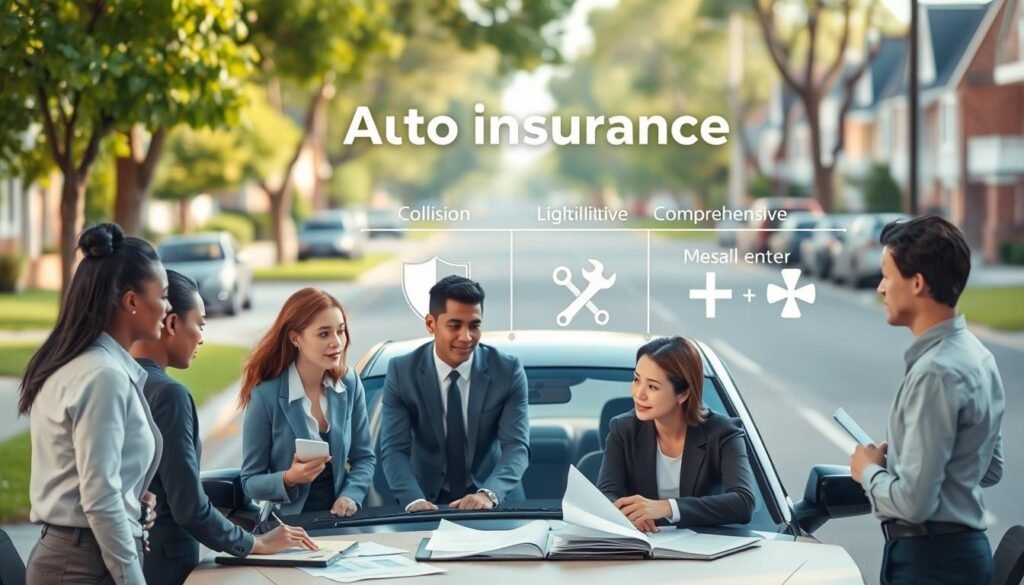
In 2022, over 4 million car accidents happened in the United States. This led to thousands of injuries and damages. Knowing what auto insurance covers is key for every driver. It offers financial protection for accidents, injuries, and vehicle damages. Each coverage type is important for your safety. We’ll explore what auto insurance covers and help you choose the right policy. Key Takeaways Auto insurance covers costs from accidents, injuries, and vehicle damage. Understanding your coverage is essential for making smart choices. Each type of auto insurance has a unique role in protecting your finances. Be aware of state requirements for auto insurance coverage. Choosing the right policy can give you peace of mind on the road. Understanding Auto Insurance Basics Learning about auto insurance is key to protecting your vehicle. We’ll cover what auto insurance is and why it’s important in our daily lives. Definition of Auto Insurance Auto insurance is a deal between you and your insurance company. It helps cover costs from car accidents and injuries. It also covers you if you’re at fault in an accident. Knowing your policy helps you pick the right coverage for you. Importance of Auto Insurance Auto insurance is very important. Here’s why: It keeps your assets safe from accident costs. It meets legal needs in most places, keeping you in line with laws. It gives you peace of mind, knowing you’re covered if something happens. Many lenders need it to give out car loans, protecting their investment. What Does Auto Insurance Cover? It’s important for every driver to know what auto insurance covers. Both standard and comprehensive car insurance policies help in many situations. They give peace of mind when accidents happen. Let’s look at the common accidents covered and the state rules that shape these policies. Mishaps Covered by Auto Insurance Auto insurance protects against many incidents. It offers financial help in tough times. Here are some key mishaps covered by most policies: Accidents causing bodily injury to the driver or passengers Property damage from a collision Medical expenses for injured people Theft or vandalism of the insured vehicle Natural disasters that damage the vehicle Comprehensive car insurance also covers non-collision damages. This includes severe weather damage or even riots. It protects your vehicle from a wide range of dangers. State Requirements for Auto Insurance Every state has its own rules for auto insurance. It’s key for drivers to know these rules. Common mandates include: Bodily injury liability for injuries to others Property damage liability for damage to others’ property Uninsured motorist coverage in some states Understanding your state’s requirements is important. It helps avoid fines or legal trouble. We suggest checking with local insurance regulators often. This way, you’ll know about any changes in your policy. Types of Coverage in Auto Insurance Knowing about the different auto insurance coverages is key to staying safe on the road. Each coverage type has its own role and helps with different risks. We’ll look at liability, collision, and complete car insurance. Liability Insurance Coverage Liability insurance is a must-have in any auto policy. It includes two main parts: bodily injury and property damage liability. Bodily injury covers costs for injuries to others if you’re at fault. Property damage liability pays for damages to someone else’s property, like a car or fence, in an accident. Having enough liability coverage is vital. It helps protect your assets from lawsuits after an accident. Collision Insurance Coverage Collision insurance helps when your car gets damaged in a crash. It covers repairs or a new car, easing financial worries. It’s a big help for those who drive a lot or face dangerous roads. This coverage ensures you won’t face huge costs after an accident. Comprehensive Car Insurance Comprehensive insurance protects against non-crash events like theft, vandalism, and natural disasters. It’s a must for those in areas with bad weather or high theft rates. This coverage keeps your car safe from many dangers. It’s a smart choice for keeping your finances safe in an unpredictable world. Type of Coverage Description Key Benefits Liability Insurance Covers bodily injury and property damage to others. Protects personal assets from lawsuits. Collision Insurance Covers damages to your vehicle from collisions. Manages repair costs post-accident. Comprehensive Insurance Protects against non-collision incidents. Covers theft, vandalism, and natural disasters. Mandatory and Optional Coverage It’s important to know about different car insurance coverages. A good policy includes both must-have protections and extra options. We can look into the policy details to meet legal needs and add extra security. Required Coverages by State Every state has its own rules for car insurance. Most focus on liability insurance. This coverage helps pay for damages or injuries if you’re at fault in an accident. Knowing these basics helps us stay legal and safe on the road. Optional Coverages for Additional Protection There are also extra protections you can add to your policy. These include: Gap insurance: Covers the gap between what you owe on your car and its current value if it’s totaled. Rental car reimbursement: Pays for a rental car while yours is being fixed. Roadside assistance: Provides help during breakdowns, like towing or fuel delivery. Adding these options can make our policy better and protect our finances in tough times. Understanding Full Coverage Auto Insurance When you look into auto insurance, you might hear the term “full coverage.” It’s a bit confusing because it usually means a mix of basic coverages. Knowing what full coverage auto insurance includes is key to getting the right protection for you. Components of Full Coverage Full coverage auto insurance includes: Liability Insurance: Covers damages you cause to others in an accident. Collision Coverage: Pays for damage to your car from hitting something else. Comprehensive Coverage: Protects against non-collision incidents like theft, vandalism, or natural disasters. Benefits of Full Coverage Auto Insurance Choosing full coverage auto insurance has many advantages, such as: Enhanced Protection: Keeps you safe from many possible problems, giving you peace of mind. Financial Security: Helps you
Commercial Insurance: Keeping Your Business Running

Did you know over 75% of small businesses are underinsured? This shows how important commercial insurance is for your business. It helps keep your business safe and stable in the long run. Every business faces unexpected problems that can hurt its finances. Commercial insurance helps protect your business, manage risks, and provide financial support when needed. Whether you run a big company or a small startup, knowing about commercial insurance is key. It helps safeguard your investment and helps you deal with challenges. We will explore the different types of commercial insurance and why they matter. Our goal is to give you the knowledge to make smart choices for your business. Key Takeaways Over 75% of small businesses are underinsured, highlighting the need for proper coverage. Commercial insurance protects your business from unexpected problems. It is essential for keeping your business financially stable. Understanding commercial insurance is vital for making informed decisions. Good coverage helps you handle risks specific to your industry. Understanding Commercial Insurance Running a business means you need to protect your assets and operations. Commercial insurance is key for this. It includes many policies made for businesses, not personal use. With the right coverage, businesses can avoid many risks and stay financially stable. What is Commercial Insurance? Commercial insurance helps businesses face unique risks. It offers policies for property damage, liability, and lawsuits. This coverage also protects against accidents, equipment failures, and professional errors. Types of Commercial Insurance Coverage There are many types of commercial insurance. Each one protects against different risks. Here are some common ones: Commercial General Liability Insurance: Covers third-party bodily injury and property damage claims. Professional Liability Insurance (E&O): Protects against claims of negligence or inadequate work. Workers’ Compensation: Offers benefits to employees who suffer job-related injuries or illnesses. Commercial Property Insurance: Protects business property, such as buildings and equipment. Cyber Liability Insurance: Addresses risks related to data breaches and cyber attacks. Why Businesses Need Insurance Business insurance is key for any company today. It protects against big risks that could harm a business. This includes financial safety and meeting legal and contract needs. Protection from Financial Loss Business insurance helps protect against big financial hits. Things like accidents, lawsuits, or natural disasters can be very costly. The right insurance covers repair costs, legal fees, and lost income. This safety net helps businesses stay afloat during tough times. It lets them focus on growing instead of worrying about money. Meeting Legal and Contractual Obligations Insurance also helps meet legal and contract needs. Many deals and leases need proof of insurance. This keeps everyone safe and builds trust. Learn more about business insurance at this resource. It shows how different types of insurance can protect your business. How Commercial Insurance Helps Businesses Stay Operational Understanding how commercial insurance helps businesses stay operational is key. It shows how to manage and plan well. The right insurance protects against risks and helps businesses be ready for anything. Managing Risks Effectively Getting the right coverage helps manage risks that could harm our business. Things like property damage or liability claims need careful handling. Insurance helps protect us from big financial losses, so we can keep doing what we do best. Ensuring Business Continuity When unexpected events happen, keeping our business running is critical. Business interruption insurance helps us keep income steady. It lets us get back to normal quickly while we recover. Support for Contingency Planning Good insurance helps with planning for the unexpected. With solid coverage, we can make plans for different disruptions. This makes us ready for anything, keeping our business stable. Common Coverages in Commercial Insurance It’s key for business owners to know about common commercial insurance coverages. These coverages protect against many business risks. The main types are general liability, property, and auto insurance for businesses. Each one plays a special role in keeping your business safe. Commercial General Liability Insurance General liability insurance is a must-have for businesses. It covers third-party injuries or property damage. Without it, businesses could face huge financial losses from lawsuits. So, it’s a key part of any good insurance plan. Commercial Property Insurance Property insurance protects a company’s physical assets. It covers buildings and equipment against risks like fire, theft, and vandalism. With reliable property insurance, businesses can bounce back after unexpected events, keeping them stable and secure. Commercial Auto Insurance Auto insurance is essential for businesses that use vehicles. It protects against damages and liabilities from company vehicles. Whether for deliveries or client meetings, commercial auto insurance keeps businesses safe from financial loss due to accidents or damages. Knowing about these common coverages helps business owners make smart insurance choices. For more info on bundling essential coverages, check out this link. Protecting your business assets helps it grow and gives you peace of mind. The Benefits of Business Insurance Business insurance is very important. It helps businesses deal with risks they face every day. It offers key tools for managing risks and gives business owners peace of mind. Risk Management Solutions Insurance policies are made to fit each business’s needs. They help spot and stop risks before they cost a lot. This safety net lets us handle problems fast and well. By using these solutions, we keep our business safe and stable. This is true even when things are unpredictable. Reducing Liability Exposure In today’s world, managing risks is key. Business insurance helps us lower our risk of being sued. This way, we can avoid big financial losses from lawsuits or claims. Good coverage helps us deal with threats early. This makes our work place safer for everyone. Peace of Mind for Business Owners Running a business is full of unknowns. But with insurance, we can focus on growing and making customers happy. This peace of mind helps us work better and be more creative. Identifying Your Business’s Insurance Needs It’s key to know what insurance your business needs. This ensures you get the right coverage for your unique situation. By understanding your specific needs,
General Liability Insurance: Coverage & Importance

Did you know nearly 40% of small businesses face a lawsuit at some point? This shows how important general liability insurance is for all businesses. It protects against risks like bodily injury, property damage, and advertising injury. In a world where lawsuits can be a big financial risk, knowing about general liability insurance is key. It helps businesses stay safe and strong, even when things get tough. Key Takeaways General liability insurance protects against financial loss from lawsuits. Businesses of all sizes should consider GLI as essential coverage. It provides financial assistance for bodily injury claims and property damage. Understanding coverage options is vital for effective risk management. GLI enhances a business’s credibility and trustworthiness. Understanding General Liability Insurance General liability insurance is key for businesses to protect against unexpected claims. It covers bodily injuries and property damages. This insurance is vital for defending against lawsuits that might happen on company grounds or during work. What is General Liability Insurance? General liability insurance helps businesses financially when they face claims. It covers many incidents, like slip-and-fall accidents and damage to others’ property. It also includes some advertising-related injuries. This wide coverage lets businesses work without worrying about huge financial losses. Historical Context and Importance General liability insurance started in the early 20th century. Back then, businesses had limited coverage, leaving them at risk. As industries grew, so did the need for better protection. General liability insurance was a big step in helping businesses manage risks better. General Liability Insurance: What It Covers and Why It Matters General liability insurance is key for businesses to protect themselves from many risks. It covers three main areas: bodily injury, property damage, and advertising injury. Knowing about liability insurance helps keep a business safe. Bodily Injury Coverage Bodily injury coverage helps businesses deal with injuries to others on their property. This includes accidents like slips and falls. It covers medical costs and legal fees. Having this coverage is important for managing risks. Property Damage Protection Property damage coverage is also vital. It helps if a business accidentally damages someone else’s property. This coverage pays for repairs and replacements. It keeps a company’s finances safe from unexpected costs. Advertising Injury Coverage Advertising injury coverage is important for marketing efforts. It covers claims like libel, slander, and copyright issues. This shows how important liability insurance is for businesses growing their brand. Types of Liability Coverage Offered Businesses have different needs for liability coverage. Choosing the right coverage is key to protect against risks. We’ll look at the main types of liability coverage under General Liability Insurance. This includes both basic and specialized options. Basic Liability Coverage Basic liability coverage is a basic safety net for businesses. It covers a range of general hazards from regular business activities. It protects against claims for bodily injury and property damage. This is important for companies that often deal with clients or the public. By getting this coverage, businesses get essential protection. It helps strengthen their risk management plan. Product Liability Coverage Product liability coverage is essential for makers and sellers. It protects against claims from injuries or damages from their products. This coverage is key for keeping consumer safety a top priority. It helps businesses avoid big financial losses from product lawsuits. With the risks of product defects, getting strong business protection insurance is critical. It’s important for long-term success. Who Needs General Liability Insurance? General liability insurance is a must-have for many businesses. It’s vital for companies that deal directly with the public or have specific contracts. This insurance helps protect against unexpected costs. Businesses Open to the Public Stores, restaurants, and service providers often meet the public. They face risks like slips and falls. Without the right insurance, these businesses could face big financial problems. Contractual Obligations and Requirements Many contracts require businesses to have insurance. This insurance shields them from legal issues and keeps them in line with the law. It’s key for keeping good relationships with partners and clients. Determining the Right Coverage Amount Choosing the right general liability insurance is important. Businesses need to think about their specific needs. This helps find the right coverage that protects against risks. Factors Influencing Coverage Needs The type of industry and business size matter a lot. For example, construction companies face more risks than consulting firms. Knowing these risks helps find the right coverage for businesses. Understanding Policy Limits Every general liability insurance policy has limits on payouts for claims. It’s key for businesses to know these limits. This ensures they have enough protection against financial losses. Importance of General Liability Insurance for Risk Management General Liability Insurance is key for businesses to manage risks. It offers financial protection and boosts credibility. This helps keep operations safe and relationships strong. Financial Protection Against Lawsuits Liability insurance is vital for fighting lawsuits. It provides financial backing, helping businesses deal with huge legal costs. Without it, a lawsuit could harm a business’s finances, even leading to bankruptcy. Boosting Credibility with Clients Getting General Liability Insurance shows a business is serious about risk management. Clients prefer companies that are financially responsible. This builds trust and can lead to lasting partnerships. Benefits of General Liability Insurance Details Financial Protection Covers legal fees and settlements related to liability claims. Enhanced Credibility Builds trust with clients and partners, promoting business growth. Operational Continuity Avoids disruptions caused by legal troubles, ensuring stability. Attracting Clients Clients prefer working with insured companies, boosting business chances. Conclusion General liability insurance is key for any business. It protects against injuries, property damage, and advertising issues. In today’s world, having this insurance is essential for business stability and peace of mind. Knowing what our insurance covers is important. It helps us protect our businesses from unexpected risks. Liability insurance is a safety net that lets us grow and innovate without fear of legal problems. It’s important to invest in strong insurance that helps manage risks. Making informed decisions about insurance prepares our businesses for the future. This way,
Safeguard Assets: How Commercial Insurance Protects

Did you know nearly 40% of small businesses lack commercial insurance? In today’s world, protecting our assets is key. Commercial insurance acts as a financial shield against business risks. It’s not just an expense but a vital investment in keeping our operations safe. By learning how commercial insurance protects our assets, we can make our businesses stronger. This guide will show you how commercial insurance safeguards your business assets. Key Takeaways Commercial insurance is a vital investment for businesses of all sizes. Understanding your policy options helps in effective business asset protection. Tailored coverage ensures protection against unique business risks. Commercial insurance benefits extend to legal compliance and enhanced business credibility. Proper insurance mitigates financial risks associated with unforeseen events. Understanding Commercial Insurance Commercial insurance is a key safety net for businesses. It protects them from many risks and uncertainties. It includes various policies to meet different business needs. By covering risks like property damage, legal issues, and lost income, it helps keep businesses stable and secure. What is Commercial Insurance? Commercial insurance, also known as business insurance, offers many coverage options. It’s designed to protect businesses from losses. This lets business owners focus on growing their business, not worrying about financial problems. Types of Commercial Insurance Coverage Businesses can pick from many types of commercial insurance. Some common ones are: Commercial Property Insurance General Liability Insurance Professional Liability Insurance Workers’ Compensation Insurance Business Interruption Insurance These policies help create a strong safety net. They cover different aspects of risk management. Importance of Tailored Policies for Your Business Customized policies are very important. Each business has its own challenges and risks. By understanding these, businesses can choose the right insurance. This approach makes insurance more effective. It helps protect your business assets better. How Commercial Insurance Protects Your Business Assets It’s key to know how commercial insurance shields your business assets. This coverage helps in many ways, making unexpected problems less of a worry. By choosing the right insurance, we strengthen our efforts to protect our investments. Protection against Property Damage Our business assets can face risks like fires, floods, or vandalism. A good asset protection policy covers the costs of fixing or replacing things. This helps us avoid big financial hits from these problems. Shielding Against Legal Liabilities Legal issues can harm our assets too. Commercial liability insurance helps us deal with lawsuits from injuries or damages. It’s key for keeping our finances safe and healthy. Ensuring Business Continuity with Income Protection Income protection coverage is also important. It helps keep our business going when we face disruptions. By covering lost income, we stay financially stable and can get back on track faster. This insurance strategy does more than just protect assets. It also gives us peace of mind. This lets us focus on growing and improving, while keeping risks low. Types of Coverage Offered by Commercial Insurance Commercial insurance offers many types of coverage to fit different business needs. It’s important to know each type to keep your business running smoothly and protect against unexpected risks. Here are some key types of coverage you can get through commercial insurance. Commercial Property Insurance Commercial property insurance protects your physical assets from damage like fire, theft, and natural disasters. It helps your business recover by covering repair or replacement costs. This way, you can keep your business safe and running without financial worries. General Liability Insurance General liability insurance protects you from claims about injuries, property damage, and personal harm related to your business. In today’s legal world, this coverage is key to keeping your finances stable and your reputation strong. It helps you manage risks and build trust with customers and partners. Business Interruption Insurance Business interruption insurance is vital when unexpected closures happen. It helps cover lost income and ongoing expenses, so you can keep up with fixed costs. This insurance is a lifeline for your business, helping it bounce back faster after a setback. Commercial Insurance Benefits for Businesses It’s key for businesses to know about commercial insurance benefits. The right insurance helps protect our investments. It also keeps our operations stable. We choose policies that fit our business needs, keeping our assets safe. Mitigating Financial Risks Commercial insurance cuts down financial risks from unexpected events like accidents or natural disasters. With insurance for business assets, we can keep our finances safe. This lets us run our business smoothly, even when things go wrong. Enhancing Business Credibility and Trust Having enough commercial insurance makes us look good to clients and partners. It shows we’re ready for any challenge. It proves we’re serious about being professional and reliable. Meeting Legal and Contractual Requirements Some industries need specific insurance to follow the law or contracts. Following these rules keeps us safe and builds trust with others. It shows we’re serious about doing things right. Choosing the Right Commercial Insurance Policy Choosing the right commercial insurance policy is key to protecting our business. We start by looking at our risk exposure. This means checking for hazards like natural disasters, liability claims, or property damage. Knowing these risks helps us pick the right coverage for our business. Assessing Your Business Risk Exposure Understanding our risk profile is the first step in choosing insurance. Many things can affect our risk, like our industry, location, and size. For example, high-risk industries might need more coverage. If we don’t get our risk right, we might not have enough protection when we need it. Comparing Coverage Options After we know our risks, we compare insurance options. Important things to look at include: Policy limits – the most an insurer will pay for a claim Deductibles – what we pay first before insurance helps Exclusions – things or damages not covered by the policy Knowing these details is important. They affect how well our insurance works. Working with a good insurance broker can help us find the best balance of cost and protection. Conclusion Commercial insurance is key to keeping our business safe and stable.