
Why Insurance Reviews Prevent Financial Loss

Did you know nearly 40% of Americans are underinsured? This means they don’t have enough coverage to protect their assets and financial health. Insurance reviews are key to avoiding financial loss. They help us make sure our insurance keeps up with our changing lives. Things like career moves, growing families, and rising property values mean we need to check our insurance every year. It’s important to understand how insurance reviews can protect us. This way, we can have peace of mind and keep our finances safe. Key Takeaways Regular insurance reviews help identify if current policies align with your changing life circumstances. Staying informed about your coverage can prevent gaps that lead to significant financial loss. Annual evaluations allow for adjustments in coverage as income and assets grow. Understanding coverage advantages can enhance overall financial security. Proactive insurance management fosters long-term peace of mind. The Importance of Annual Insurance Reviews It’s key to review your insurance every year. Life changes like getting married, having a child, or starting a new job can change what you need. Knowing these changes helps you get the right coverage without wasting money. Understanding Changing Life Circumstances Our lives change every year, bringing new challenges and risks. Events like: Marriage or divorce Welcoming a new child Relocating for job opportunities Renovating or moving into a new home can affect what insurance you need. By regularly checking these changes, you can make smart choices about your protection. Impact of Not Reviewing Your Policy Not reviewing your insurance can lead to big problems. Without regular checks, you might: Not have enough insurance when you need it Pay too much for coverage you don’t need Miss out on discounts or new policy terms Insurance reviews do more than just adjust your coverage. They give you peace of mind and protect your finances. They help you face risks with confidence. How Insurance Reviews Mitigate Financial Risk Regular insurance reviews are key to spotting gaps in coverage that could lead to financial risks. Our lives change often, affecting our insurance needs. By checking our policies regularly, we make sure we’re covered for unexpected events. This way, we protect ourselves from financial shocks. Identifying Coverage Gaps Life events like getting married, having a child, or buying property introduce new risks. These might not be covered by our current policies. By doing insurance reviews, we find out where we’re not fully protected. This helps avoid expensive surprises later on. Preventing Over-Insurance and Redundant Coverage But, having too much insurance can also be a problem. It can make our premiums too high. A detailed insurance review can show where we have too much of the same coverage. By streamlining our policies, we save money and feel more secure. Why Insurance Reviews Prevent Financial Loss Knowing the value of regular insurance checks is key to keeping our money safe. As our lives change, it’s important to keep our insurance up to date. Looking at case studies and stats shows how these checks can stop big financial problems. Case Studies of Financial Protection Real stories show why insurance reviews are a must. For families, updating life insurance after big life changes, like having a new baby, keeps them protected. Businesses also need to watch out for risks that can pop up unexpectedly. A small company found out that not checking their liability insurance often enough could have cost them a lot. These stories prove that checking your insurance regularly can protect you from big risks. Statistics Highlighting Coverage Gaps Numbers show that many people and businesses are not fully covered. About 60% of people don’t have enough insurance, leaving them at risk in emergencies. For businesses, over 40% find their policies don’t cover common risks, leading to unexpected costs. These numbers tell us to check our insurance often. It helps us feel ready and secure, knowing we’re covered. Insurance Review Best Practices Effective insurance review practices help us secure our financial future. We should schedule annual reviews, considering big life changes like marriage or having children. These events often mean we need to update our coverage. It’s important to talk openly with our insurance agents during these reviews. We can ask about our policies and how life changes affect them. This way, we ensure we’re protected and meet our financial goals. We should gather important documents and coverage details before talking to our agents. Being clear about our concerns and goals helps our agents give us the right advice. Regular policy checks help us stay covered without wasting money. By following these best practices, we’re better prepared for unexpected events. This brings us peace of mind and financial security. Conclusion Our insurance needs change as our lives and financial plans evolve. It’s key to understand how insurance reviews help prevent financial loss. They help us stay ready for unexpected events. Regular reviews let us keep the right coverage. They help us spot gaps and avoid too much of the same. This boosts our financial security and peace of mind. By doing annual reviews and following best practices, we make the most of insurance reviews. These steps keep us in line with our current needs and risks. This approach not only guards our assets but also secures a better future for us and our families. Investing in insurance reviews helps us face life’s surprises better. It ensures our choices are wise and well-thought-out. Let’s make regular insurance reviews a key part of our financial plans. FAQ Why are annual insurance reviews important? Annual insurance reviews are key. They make sure your policies match your current financial state and life changes. Things like income growth, career shifts, bigger families, and more assets mean you need to check your coverage often. This helps avoid gaps or too much insurance. What financial risks can be mitigated through insurance reviews? Insurance reviews help spot gaps in coverage. These gaps can come from changes in family, income, or assets. By checking your policies often, you can avoid big financial losses
Signs You Need Better Insurance Coverage
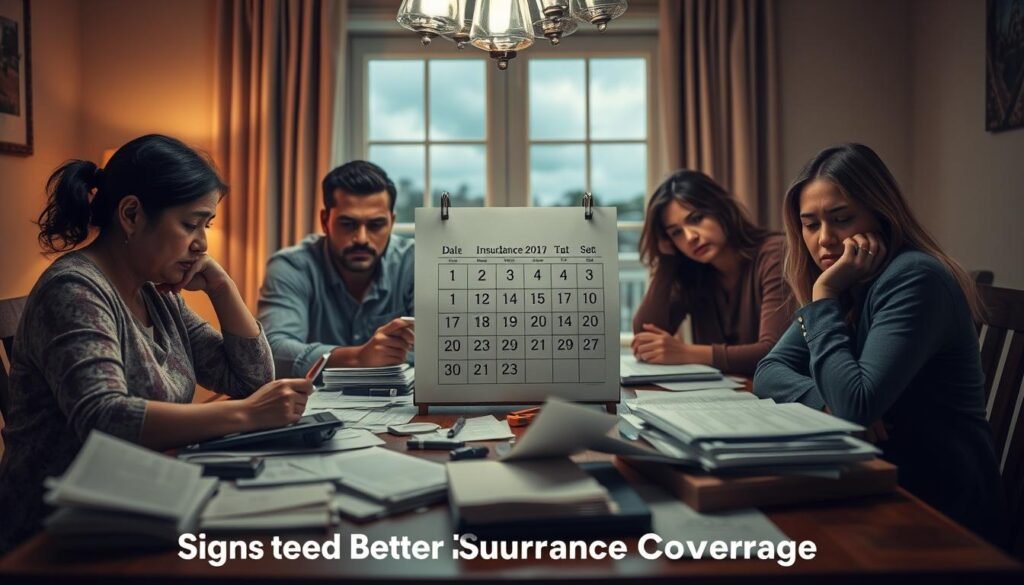
Did you know that nearly 70% of Americans feel underinsured? They don’t know about the gaps in their policies. As we go through life, having good insurance is key. Knowing when you need better coverage can protect your assets and give you peace of mind. Understanding your insurance needs is critical. It’s not just a task; it’s essential for your financial safety. In this article, we’ll explore signs that show you might need better insurance. By spotting these clues, you can make smart choices. You might even need to upgrade your policy. Taking action to improve your coverage can make a big difference in your security and peace of mind. Key Takeaways Recognize the necessity of reviewing your insurance policies regularly. Be aware of high premiums with low utilization as a warning sign. Understand how major life events can alter your insurance needs. Acknowledge when preventive care payments indicate inadequate coverage. Evaluate customer service experiences as part of your overall satisfaction. Understanding Your Current Insurance Needs It’s key to know what insurance we need now. This ensures we have the right coverage for our lives. Regular checks help us see if our health, money, lifestyle, or family have changed. These changes can really affect what insurance we need. It’s smart to check our coverage often. This way, we avoid financial trouble or losing important things. Signs You Need Better Insurance Coverage Knowing when you need better insurance is key to keeping your finances safe. High premiums and not using your insurance are big signs. Let’s look at these signs more closely. High Premiums With Low Utilization It’s important to check how much we pay for insurance versus how much we use it. If we’re paying a lot and not using it much, it might be time to rethink our policy. This helps us avoid spending too much on something we don’t really need. Frequent Out-of-Pocket Expenses When we keep paying out of pocket, it might mean our insurance isn’t covering enough. If these costs are too high, it’s time to look at our insurance again. We want a plan that fits our health needs without breaking the bank. Life Changes Impacting Insurance Necessities Life is full of changes, each with its own challenges and responsibilities. These changes can greatly affect our insurance needs. When big life events happen, it’s time to check if our insurance is up to date. Thinking about these important moments helps us make smart choices about our insurance. This ensures we’re covered as our lives change. Major Life Events and Insurance Adjustments Big milestones like getting married, having a child, or switching jobs can change our insurance needs. Each event requires us to think about our coverage. For example, having a child might mean we need more life insurance and health plans. New Responsibilities and Increased Risks When we take on new roles, we face more risks. Getting a promotion can change our income, which might mean we need to adjust our insurance. Buying a home or starting a business also means we need more protection. Looking at our new responsibilities helps us protect our assets. It ensures our loved ones are safe, no matter what life brings. Reassess life insurance on marriage to include spouse Adjust health insurance to accommodate growing families Update homeowners or renters insurance after buying property Consider additional liability coverage with new business ventures By understanding our insurance needs, we can handle the complexities of coverage. This way, we ensure we and our families are protected as we move through life’s changes. Inadequate Coverage Indicators It’s key to spot signs of inadequate insurance coverage to keep our finances safe. If we’re often paying for care that should be covered, it might mean our policy is outdated. Knowing these signs helps us make sure we get all the benefits we should. Paying for Preventive Care Paying for preventive care ourselves is a warning sign. Preventive care should be part of a good policy. It’s important to check if our plan covers the recommended services to avoid big health problems. Confusing Policy Terms and Gaps in Coverage Dealing with unclear policy terms can mean our coverage is lacking. If we can’t understand our policy, we might miss out on important protection. A clear policy means we’re well-protected and know what’s covered. Health Status Changes and Coverage Reevaluation Our health status is key in figuring out the insurance we need. When our health gets better or we get new diagnoses, we might need to change our insurance. This can affect how much we pay for coverage. Improving Health and Possible Premium Reductions Working on our health can lower our health status and insurance costs. Many insurers offer health improvement premium reductions for healthier lifestyles. Checking your policy could save you money, helping with future financial plans. New Diagnoses Requiring Enhanced Coverage New health issues can also raise challenges. It’s important not to ignore new diagnoses coverage needs. If your health needs more care, update your insurance. This keeps you covered and meets your medical needs. Customer Service and Provider Performance Choosing the right insurance provider is all about customer service. We must find a company that offers top-notch policies and excellent insurance customer service quality. Good communication is key to making smart choices and getting the help we need. Customer Support Concerns Spotting poor support can help us pick better insurance. Here are some customer service tips to keep in mind: Response times: Quick answers to our questions are important to avoid frustration. Accessibility: Having many ways to get help, like phone, email, and live chat, is beneficial. Claim handling: Fast and smooth claim processing is a big satisfaction factor. Feedback responsiveness: Companies that listen and act on feedback show they care about their customers. When we look for insurance, evaluating providers is essential. By focusing on those that value customer support, we protect our interests. This way, we get the help we need. Conclusion It’s key to know when we need better