
Understand Policy Limits and Coverage Gaps
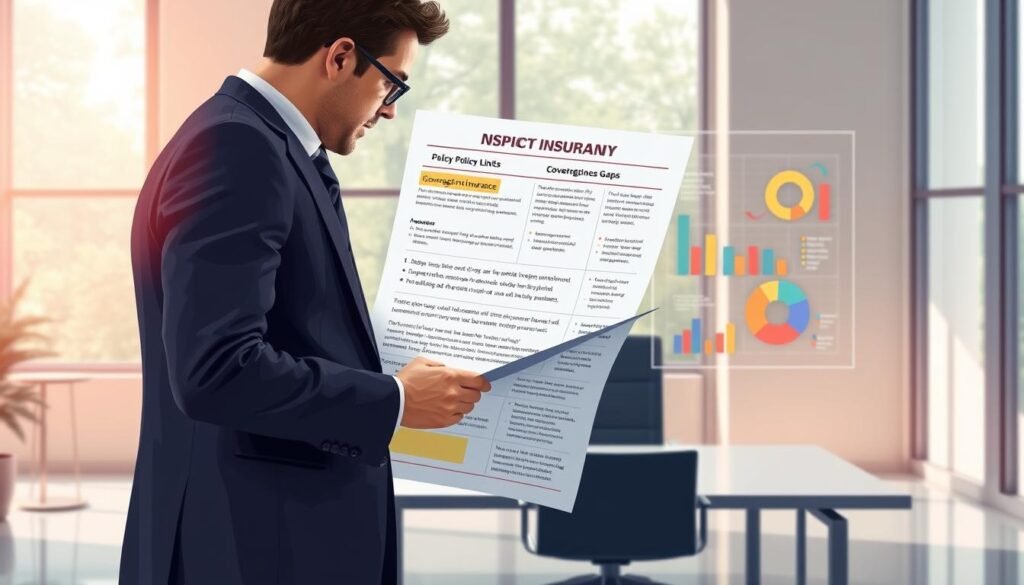
Did you know nearly 40% of Americans don’t know their insurance policy limits? This is a big problem. It shows how important it is to understand policy limits and coverage gaps today. Not knowing can lead to big financial problems when unexpected things happen. It’s key for everyone to know about policy limits and coverage gaps. These are big parts of insurance that help protect your money. By learning about insurance coverage limits, you can make smart choices about your insurance. Knowing these terms helps keep you safe and prepared for life’s surprises. To find the best protection, think about getting an umbrella insurance quote or a business owner package quote. They offer custom protection. Key Takeaways Understanding policy limits is essential for effective financial protection. Coverage gaps can leave you vulnerable to unforeseen risks. Regularly reviewing your insurance can help identify possible gaps. Insurance coverage limits vary widely between policies. Awareness of life changes is key to keeping coverage up to date. Consider talking to experts to improve your insurance plan. Introduction to Policy Limits Understanding policy limits is key for anyone with insurance. These limits show the most an insurance company will pay for a claim. Knowing your policy limits ensures you have enough protection. There are different types of policy limits. You’ll often see per accident limits and aggregate limits. Some policies also have sub-limits for things like medical costs or damage to property. Each one is important for your total coverage. Knowing your policy limits helps you check if your coverage is right. Many people don’t realize how important this is. If a big loss happens, not knowing your limits can leave you with big financial risks. By understanding these limits, you can make smart choices and protect your money. Type of Limit Description Example Per Accident Limit The maximum amount paid for any single accident $100,000 Aggregate Limit The total maximum amount paid during a policy period $300,000 Sub-limit Specific limits for certain types of claims or expenses $50,000 for medical payments Understanding Policy Limits and Coverage Gaps Insurance helps protect us from unexpected costs. Knowing about policy exposures is key. It helps us see our risks and plan better. Each policy has limits on how much it will pay for a loss. This knowledge helps us find the right coverage for our needs. It’s important to match policy limits with our real-life risks. This way, we can make sure we’re covered well. The Importance of Understanding Policy Exposures Not knowing about policy exposures can hurt a lot. Situations like property damage or injuries to others need careful planning. By understanding these exposures, we can make sure our policies cover what’s important. Knowing we’re prepared for risks gives us peace of mind. It helps us feel secure in our daily activities. How Policy Limits Affect Financial Protection Policy limits and financial protection go hand in hand. If policy limits are too low, we face gaps in coverage. These gaps can leave us open to unexpected claims. Having enough policy limits is key to protecting our finances. It’s important to check these limits often. This ensures they keep up with our changing needs. Identifying Coverage Gaps in Insurance Policies It’s important to understand insurance policies well. Knowing about coverage gaps helps you see if you’re fully protected. Common limits often cover things like injuries and property damage. These are key in both personal and business insurance. Common Types of Coverage Limits Insurance has different limits that show how much an insurer will pay for a claim. Here are some common ones: Bodily Injury Liability: This covers medical costs and lost wages for injuries to others you cause. Property Damage Liability: It protects against damage to others’ property from your vehicle or insured items. Collision Coverage: This covers damage to your vehicle in a crash, no matter who’s at fault. Comprehensive Coverage: It protects against non-crash damage, like theft or natural disasters. PIP (Personal Injury Protection): This pays for medical bills for you and your passengers, no matter who’s to blame. Insufficient Limits and Their Implications Not having enough coverage can leave you financially vulnerable. If limits don’t match your risks, the results can be dire: You might have to pay out of pocket, which can hurt your finances a lot. Let’s look at why having enough coverage is important: Scenario Description Potential Financial Impact Car Accident Involved in an accident causing significant damage to another vehicle. Out-of-pocket costs for damages exceeding liability coverage limits. Property Damage Homeowner’s policy covers damage but exceeds specified limits during a disaster. Homeowner must cover restoration costs beyond insurance limits. Business Liability Businesses face lawsuits for damages caused by services or products. Legal fees and settlements could surpass coverage limits, risking financial stability. Common Coverage Gaps in Business Insurance Many businesses struggle with gaps in their insurance coverage. It’s key to know these gaps to protect your assets and keep your business running. Entrepreneurs often miss out on important policies or endorsements that help manage risks. Examples of Missing Policies or Endorsements One big gap is hired and non-owned auto insurance. This is critical for businesses that use personal vehicles for work. Without it, you could face big financial losses if an accident happens. Other missing policies include: Workers’ compensation for contractors Cyber liability insurance Business interruption insurance Equipment breakdown coverage Potential Risks of Coverage Gaps Not having the right coverage can lead to big problems. A gap can cause claims to be denied, leaving you with financial losses. It can also harm your business’s reputation and increase your liability. Some risks are: Risk Description Financial Loss Business operations may face severe interruptions, causing unexpected expenses. Legal Liability Lack of essential coverage can expose business owners to lawsuits. Reputation Damage A gap in coverage may result in a failure to respond effectively to incidents, harming trust among clients. Knowing about these gaps helps business owners protect their finances. It’s a step towards securing their business’s future. Recognizing Coverage Gaps in
Essential Guide: Why Home Insurance Is Vital

Did you know that about 60% of American homeowners are underinsured? This fact shows how important homeowners insurance is. Owning a home is a big deal, but it also means you must protect it. This guide will help you understand why home insurance is key for homeowners. It’s vital for keeping your home safe and your belongings secure. We’ll look at the benefits of homeowners insurance. This will help you make smart choices about your coverage for peace of mind. Key Takeaways Understanding home insurance helps secure your financial future. Protect both your home’s structure and your personal belongings. Learn the benefits of adequate coverage to avoid being underinsured. Choosing the right policy tailored to your needs can provide peace of mind. Staying informed about the requirements may save you money in the long run. Understanding Home Insurance To understand the importance of homeowners insurance, we need to know what it is. Homeowners insurance protects against unexpected events like fires, thefts, or natural disasters. It helps us financially recover from these events, preventing big losses. Definition and Purpose The main goal of homeowners insurance is to offer financial support. This gives us peace of mind when unexpected things happen. It’s important to know about different policies to find the right one for us. Types of Home Insurance Policies There are many types of homeowners insurance policies. Knowing about them helps us pick the best one for our situation. Here are some common ones: HO-1 (Basic Form) HO-2 (Broad Form) HO-3 (Special Form) HO-5 (Comprehensive Form) HO-6 (Condominium Form) HO-7 (Mobile Home Form) HO-8 (Older Home Form) The HO-3 policy offers a lot of coverage, protecting against damage and liability. The HO-5 policy is the most complete, covering many incidents. Knowing about these types helps us make better choices for our insurance. Policy Type Coverage Description Best For HO-1 Basic and limited coverage Homeowners on a tight budget HO-2 Broad coverage for named perils Those seeking more than basic protection HO-3 Special form, covering most perils Typical homeowners with standard needs HO-5 Comprehensive coverage for property and personal belongings Homeowners wanting full coverage HO-6 Coverage for condominium units Condo owners HO-7 Mobile or manufactured home coverage Owners of mobile homes HO-8 Coverage for older homes at actual cash value Owners of historic homes Why Home Insurance Is Essential for Homeowners Owning a home is a big financial step. It means we must protect our investment. Home insurance is key to financial safety, easing worries about risks. It’s clear why homeowners need it to guard against unexpected damage. Protecting Your Financial Investment Our homes are often our biggest asset. It’s critical to protect this with home insurance. If disasters like fires or theft happen, insurance helps pay for repairs and replacements. Without it, we could face huge costs, leading to financial trouble. The Risks of Not Having Coverage Not having home insurance is risky. Without it, we’re open to financial dangers. Unexpected events can cause huge repair bills. This could lead to debt or even financial disaster, showing why coverage is so important. Key Benefits of Home Insurance Home insurance does more than just protect our money. It covers many important things. Let’s look at three key benefits: covering everything, protecting us from lawsuits, and helping with living costs if we can’t stay home. Comprehensive Coverage of Dwelling and Personal Property Comprehensive coverage is key in homeowners insurance. It keeps our homes safe from theft, fire, and bad weather. It also protects our stuff. This makes us feel safe and ready for surprises. Liability Protection for Homeowners Liability protection is a must for homeowners. It helps pay for medical bills or legal costs if someone gets hurt at our place. It keeps our finances safe and stable. Additional Living Expenses (ALE) Coverage If our home is too damaged to live in, ALE coverage helps a lot. It pays for temporary housing and other living costs. This way, we can stay comfortable even when things are tough. Exploring the Costs of Home Insurance Understanding home insurance costs is key to making smart choices. Many factors affect how much we pay for our premiums. Knowing these can help us manage our insurance costs and find the best policy for us. Factors Influencing Your Home Insurance Premiums Several important factors influence home insurance premiums: Home Value: The value of your home affects your premium. Higher-value homes cost more. Location: Homes in areas with natural disasters or high crime rates pay more. This is because they are riskier. Claims History: If you’ve made many claims, your premiums might go up. Insurers see this as a higher risk. Credit Score: Better credit scores can mean lower premiums. Insurers see you as a lower risk. Understanding Deductibles and Their Impact Deductibles are key in home insurance. They are the amount you pay before insurance covers you. A lower deductible means a higher premium, but you pay less out of pocket. A higher deductible lowers your premium but means you pay more before insurance kicks in. Choosing a deductible depends on your financial situation. It affects how ready you are and your monthly costs. Choosing the Right Home Insurance Provider Choosing a home insurance provider is key. It affects your home’s protection and your experience when making a claim. Look at several important factors when picking a provider. These include their reputation, customer service, claim handling, and coverage options. Evaluating Top Home Insurance Providers When looking at home insurance providers, focus on: Customer reviews and ratings from trusted sources. The variety of coverage options available, ensuring they meet your unique needs. How well they handle claims, as this will be vital in times of distress. The financial stability and reliability of the company. By focusing on these aspects, we can narrow down our options effectively, leading us to those who stand out among the top home insurance providers. How to Compare Home Insurance Quotes Comparing home insurance quotes is more than just looking at the price. It’s important