
Liability vs Full Coverage Auto Insurance: Choosing the Right Policy
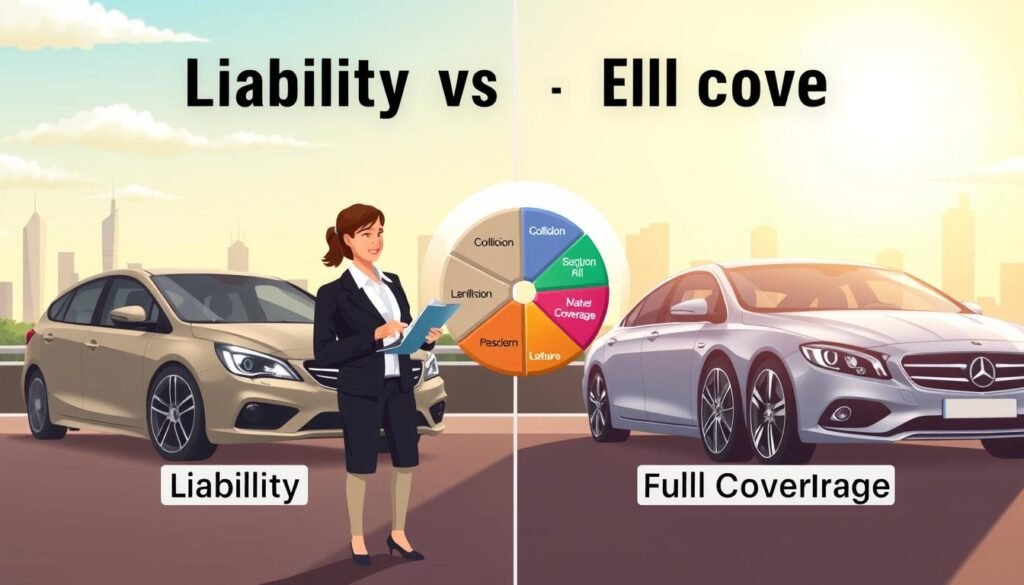
Did you know that about 31% of American drivers don’t have insurance? This fact shows how vital it is to know about auto insurance options. It’s not just about following the law; it’s about keeping your finances safe and feeling secure when unexpected things happen. Understanding the difference between liability and full coverage auto insurance is key. This knowledge helps protect your car and your money. We’ll explore the main points of each coverage type. This way, you can make a smart choice that fits your needs. Key Takeaways Understanding your auto insurance options is critical for financial security. Liability insurance covers damages to others, while full coverage includes additional protections. Knowing the differences in coverage can help you avoid costly mistakes. Assess your own needs and situation to determine the best policy type. Uninsured drivers highlight the importance of having adequate coverage. Understanding Auto Insurance Basics Knowing the basics of auto insurance is key to picking the right policy. Auto insurance has different types of coverage. Liability insurance is a must in most states. What is Liability Insurance? Liability insurance helps protect us from claims for damages we cause to others or their property. It’s a basic requirement by law. But, it doesn’t cover our own vehicle or injuries we might get in an accident. What is Full Coverage Insurance? Full coverage insurance goes beyond liability. It includes collision and comprehsensive coverage. This gives us a wider safety net. It covers our responsibilities to others and our own vehicle’s risks. Liability vs Full Coverage Auto Insurance Explained Knowing the difference between liability and full coverage auto insurance helps us choose wisely. Each type has its own role in protecting us. Liability insurance covers damages we might cause to others. Full coverage, on the other hand, includes both liability and costs for fixing or replacing our vehicle. Key Differences in Coverage The coverage differences are key to our financial safety. Here’s a table that shows the main differences: Feature Liability Insurance Full Coverage Insurance Protection for Others Yes Yes Vehicle Repair Costs No Yes Replacement Costs for Your Vehicle No Yes Types of Coverage Included Only mandatory liability coverage Includes collision and comprehensive coverage Default for Most States Yes No Why Insurance Terminology Matters Understanding insurance terms is critical when comparing liability vs full coverage auto insurance explained. Terms like “collision” and “comprehensive” can be confusing. Knowing these terms helps us choose the right policy for our budget and needs. What Does Liability Insurance Cover? It’s key to know what liability insurance covers to make smart choices about your auto insurance. Liability insurance helps protect us from financial losses due to accidents. It’s split into different types to handle different situations. Types of Liability Coverage Liability insurance has two main types: Bodily Injury (BI) Liability: This covers costs for injuries to others if we’re at fault in an accident. It pays for medical bills, lost wages, and sometimes pain and suffering. Property Damage (PD) Liability: This handles damage to another person’s property due to our actions. It can pay for their vehicle repairs or other accident-related costs. What is Not Covered by Liability Insurance? It’s also vital to know what liability insurance doesn’t cover. Knowing these exclusions can prevent surprises after an accident. Key exceptions include: Damage to our own vehicle, which isn’t covered by liability insurance. Other types, like collision or comp insurance, are needed for this. Medical costs for ourselves or our passengers in our vehicle. Liability insurance doesn’t cover our medical expenses after an accident. Knowing these limits shows why it’s important to review our coverage and maybe get more insurance. This ensures we’re fully protected on the road. What Does Full Coverage Insurance Include? It’s important to know what full coverage insurance covers. It includes collision and comprehensive coverage. These parts work together to protect our vehicles well. Collision Coverage Explained Collision coverage is a big part of full coverage insurance. It helps pay for car repairs after an accident, no matter who’s to blame. This way, we don’t have to spend a lot of money to fix our car. It covers damage from hitting another car or object. So, if we crash, collision coverage helps us financially. Comprehensive Coverage Explained Comprehensive coverage is another essential part of full coverage insurance. It protects our car from damage not caused by accidents. This includes theft, vandalism, and damage from natural disasters. With this coverage, we can feel safe knowing our car is protected from many dangers. Cost Comparison: Liability vs Full Coverage Knowing the cost difference between liability and full coverage is key. Each has its own pros and cons, mainly affecting insurance prices. We need to look at what affects these costs to plan our budgets better. How Factors Affect Insurance Premiums Many things influence insurance costs. Key factors include: Driving history: A clean record means lower premiums. Vehicle type: Expensive cars cost more. Geographical location: High-risk areas raise premiums. Understanding these factors helps us see how they affect costs. This is important when comparing liability and full coverage. Average Cost of Each Coverage Type Insurance costs vary a lot. Full coverage is usually three to five times more expensive than liability-only. For example: Coverage Type Average Annual Premium Liability Insurance $500 Full Coverage Insurance $1,500 This big price gap makes choosing wisely very important. Knowing the average costs helps us make smart financial choices. We aim for both protection and affordability. Do You Need Full Coverage Insurance? Deciding if you need full coverage insurance is a big decision. It depends on many personal factors. It’s important to understand what’s best for you. Factors to Consider When Choosing Coverage There are several things to think about when deciding on insurance. First, look at your car’s age and value. If your car is new or expensive, full coverage is a good idea. It helps protect you from big financial losses. But, if your car is old and not worth much, you might only need liability insurance.