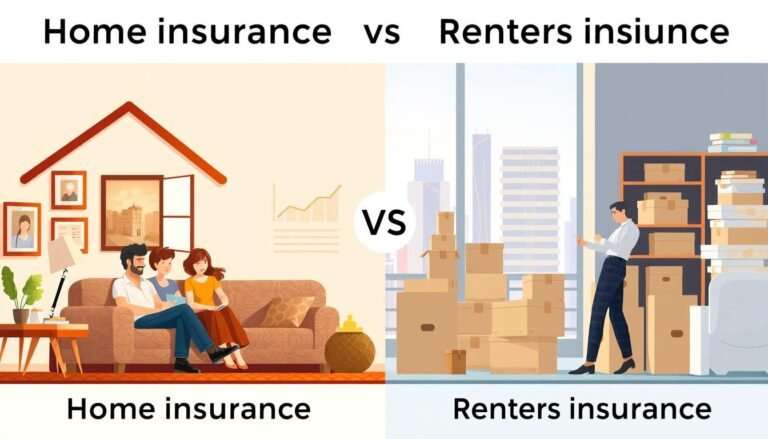

Did you know that about 1 in 15 homes with insurance file a claim for property damage each year? This fact shows how vital it is to understand property damage coverage. We’ll explore the key parts of property damage insurance to help you protect your assets well.
Knowing about property damage coverage is key for homeowners, renters, and business owners. We’ll look at different coverages, what’s not covered, and how to handle insurance claims. Our aim is to give you the knowledge to make smart choices and feel secure in the long run.
Key Takeaways
- Understanding property damage coverage is essential for protecting your investments.
- Different types of property damage insurance can cater to varying individual needs.
- Be aware of common exclusions in policies to avoid unexpected gaps in coverage.
- Documentation plays a vital role in the insurance claim process.
- Clear communication with insurance adjusters can make your claims smoother.
- Knowing about coverage limits and payouts helps you make better choices.
Introduction to Property Damage Coverage
Property damage coverage is a key part of most insurance plans. It helps protect your assets from financial loss due to physical damage. This includes theft, accidents, and natural disasters. Knowing how property damage insurance works is important for keeping your finances safe.

It’s important to check your insurance policies for property damage coverage. This coverage helps reduce financial stress when bad things happen. It also gives you peace of mind, knowing your valuable things are safe. Looking at your policy can help you find ways to improve your protection.
Understanding Property Damage Coverage
It’s important to know about different types of property damage coverage. This ensures your assets are well-protected. Homeowners and car insurance policies are designed to meet specific needs.
Types of Property Damage Coverage
Homeowners insurance offers a lot of protection. It covers your home, personal items, and liability. Here are some key types of coverage:
- Dwelling Coverage: This covers your home’s structure, including repairs and rebuilds.
- Contents Coverage: It protects your personal belongings from theft and fire.
- Additional Living Expenses: This helps with living costs when your home is not habitable.
- Car Insurance Coverage: It protects your vehicle from accidents, theft, or natural disasters.
- Comprehensive Coverage: This covers a wide range of risks for both homes and vehicles.
For more on homeowners insurance, check out this resource. Knowing these differences helps you choose the right insurance for your needs.
Common Exclusions in Policies
Even with good coverage, there are exclusions to watch out for. Here are some common ones:
- Flooding: Flooding is usually not covered by standard homeowners insurance. You might need flood insurance.
- Intentional Acts: Damage from intentional actions is often not covered.
- Natural Wear and Tear: Regular maintenance issues are not covered.
- Specific Natural Disasters: Certain disasters like earthquakes might need extra coverage.
It’s key to check your policy for property damage exclusions. Adding riders for high-risk areas can help ensure full coverage.
Assessing Damage and Reporting Your Claim
When property damage happens, it’s important to act fast. The first step is to document everything. This helps show how much damage there is and how to fix it.
Importance of Documentation
It’s key to document all damage. Take photos and videos of the damage. Also, make a list of what’s damaged or lost.
Save receipts and warranties for your stuff. This helps prove your claim. Good documentation makes the claim process easier and faster.
Safety First: Assessing Property Damage
Before you report the damage, check it out safely. Stay away from dangers like broken wires. If unsure, get help from experts.
Write down what you see. Share these notes with your insurance adjuster. This helps make sure all damage is covered.
Working with Insurance Adjusters
Dealing with insurance adjusters is key when you’re going through claims processing. Knowing what they do can make your claims process better. They check your damages, figure out how much you lost, and see if your policy covers it. Talking well with them is important because they help decide how fast and well your claim goes.
Role of the Adjuster in Claims Processing
Insurance adjusters mainly check damages and decide how much your claim is worth. Their work affects how quickly and fairly your claim is handled. Understanding their role helps us get ready with the right info. This teamwork leads to a better outcome for you.
Tips for Effective Communication
Being clear and professional when talking to adjusters is important. Here are some tips to help:
- Clearly outline details regarding damages and losses.
- Maintain a polite tone, fostering a cooperative atmosphere.
- Document all conversations for your records.
- Don’t hesitate to ask questions if there’s uncertainty about the claims process.
Using these tips can make working with insurance adjusters easier. This leads to a smoother and more efficient claims experience.
Navigating the Insurance Claim Process
Starting the insurance claims process can seem overwhelming. But, understanding the steps makes it easier. Here are the key stages to help you through:
- First, talk to your broker to start the claim and share the needed documents.
- Then, the claims adjuster will look into the loss to figure out what happened.
- Next, they’ll review your policy to make sure you know what’s covered.
- They’ll also check the damage through appraisals or expert opinions.
- Lastly, they’ll settle the claim, making sure everything is taken care of.
Each step helps you understand the process better. It also encourages you to be more involved. Knowing what to do makes the journey smoother.
Understanding Coverage Limits and Payouts
It’s important to know about coverage limits and possible payouts. Each policy has its own limits for different damages. Knowing these limits helps set realistic expectations.
Talking to your insurance provider is a good idea. They can help adjust your coverage or policy terms if needed. This can make you feel more secure and protected.
Conclusion
Understanding property damage coverage is key to protecting our assets. It helps us ensure long-term security. By knowing the different types of coverage and the claims process, we can safeguard our homes, vehicles, and businesses.
It’s important to follow insurance best practices. This includes regularly reviewing our policies and talking clearly with our insurance provider. Being adaptable helps us keep our coverage up to date with our changing needs. This way, we’re ready for unexpected events.
In short, by focusing on these key points, we can build resilience against unexpected incidents. We can confidently handle the complexities of property damage coverage. This ensures we’re prepared to protect what’s most important to us.