Did you know nearly 40% of U.S. adults don’t know about basic insurance terms? This shows how important it is to understand coverage, deductibles, and premiums. Knowing these terms helps us make smart choices for our financial safety.
Insurance is a key safety net for unexpected events like accidents, illnesses, and property damage. By understanding coverage, deductibles, and premiums, we can protect our health and money better. Knowing how these parts work helps us pick the right insurance for us, getting ready for life’s surprises.
Key Takeaways
- Understanding the core concepts, including the difference between coverage, deductibles, and premiums, is essential.
- Insurance acts as a safety net against unexpected events that could impact our lives.
- Knowledge of these components enables better decision-making when selecting an insurance policy.
- Assessing personal needs related to financial protection can lead to more suitable insurance options.
- Engaging with insurance terms empowers us to navigate the complexities of financial protection more effectively.
Understanding Insurance Premiums
Insurance premiums are the payments we make to keep our coverage active. These costs can change based on many factors. It’s important to know what affects them and the different types of premiums.
What Is a Premium?
A premium is the cost of an insurance policy, paid monthly or yearly. It helps protect us from losses. The amount you pay can change based on several factors, so it’s vital to understand this.
Factors Affecting Insurance Premiums
Many things can change how much you pay for insurance. Here are some key ones:
- Age: Young people might pay more in some cases.
- Location: Places at risk for natural disasters can cost more.
- Lifestyle Choices: Smoking or risky hobbies can raise your rates.
- Policy Features: The details of your policy can also affect the cost.
Knowing these factors helps us pick policies that fit our budget and needs.
Types of Premiums
There are mainly two types of insurance premiums:
- Fixed Premiums: These stay the same for the policy’s entire term.
- Variable Premiums: These can change based on your risk and claims history.
Understanding these types helps us find a policy that matches our budget and risk level.

What You Need to Know About Insurance Deductibles
Understanding insurance deductibles is key to managing your policy. Deductibles are the amounts you pay before your insurance starts. This section will explain deductibles, their types, and how they affect your costs.
Defining Deductibles
Deductibles are the upfront costs you pay before your insurance kicks in. The amount varies with your policy. Knowing about deductibles helps you make better insurance choices.
Types of Deductibles
There are different deductibles that can change your insurance costs:
- Fixed Deductibles: These costs stay the same for all claims.
- Variable Deductibles: These costs can change with the claim’s value.
- Annual Deductibles: These are the amounts you pay each year before coverage starts.
The Role of Deductibles in Insurance Costs
Deductibles play a big role in your premium costs. A higher deductible means lower premiums. This can be a good deal for those who don’t make many claims.
Choosing the right deductible depends on your personal and financial situation. It’s about finding a balance between risk and cost that feels right for you.
The Difference Between Coverage, Deductibles, and Premiums
It’s important to understand insurance well to make smart choices. Coverage, deductibles, and premiums all play a role in our financial health. Knowing about these helps us pick the right coverage for our needs.
How Each Component Works Together
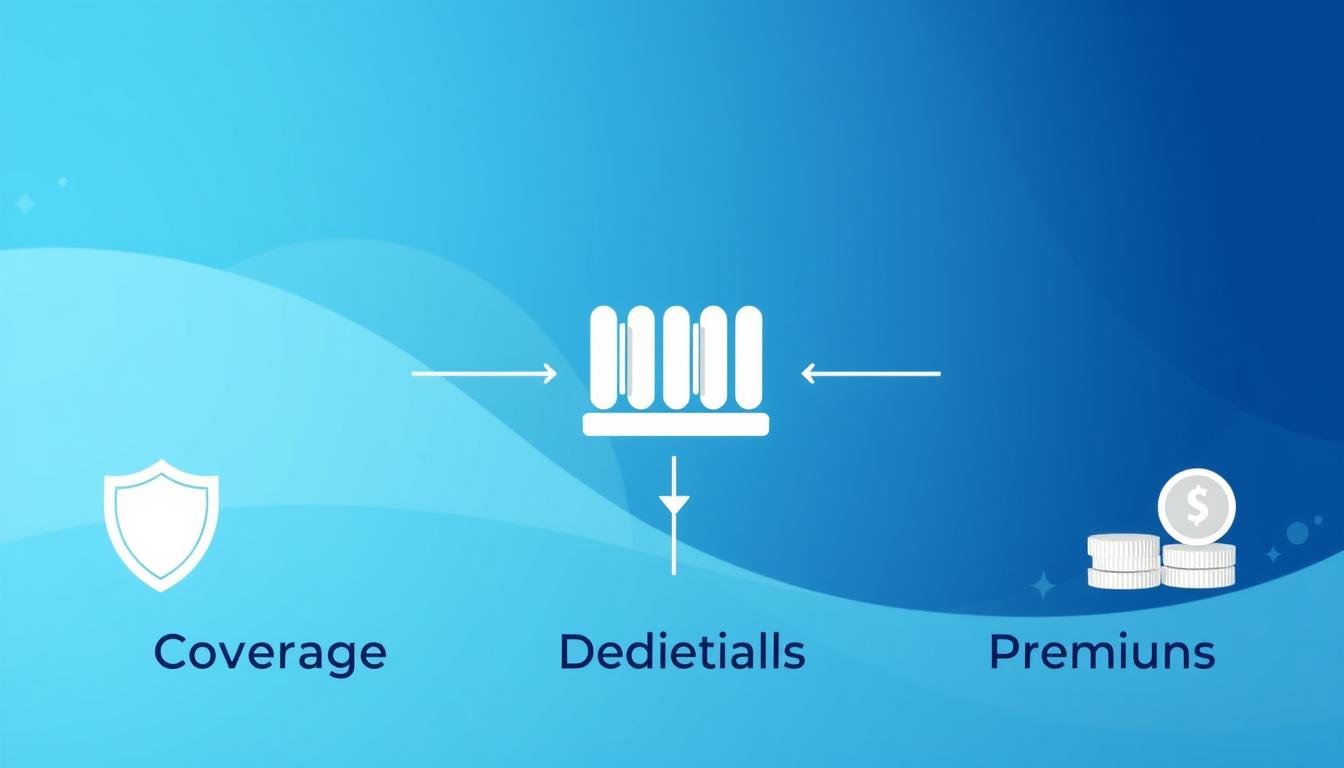
Coverage tells us what risks our policy covers. Deductibles are the upfront costs we pay before insurance helps. Premiums are what we pay to keep our coverage active.
Knowing the difference helps us pick better insurance. A cheaper policy might have higher deductibles and less coverage. This could leave us at risk during claims. But, paying more for premiums can mean more coverage and lower deductibles, making us safer.
Impact of Choosing Different Levels of Coverage
Choosing coverage depends on our personal situation. We must weigh premium costs against coverage limits. For example, some might choose a cheaper plan with higher deductibles. Others might prefer a more expensive plan with lower deductibles.
Our lifestyle and finances guide these choices. Making the right choice brings peace of mind and prepares us for the future.
| Feature | High Premiums | Low Premiums |
|---|---|---|
| Potential Deductibles | Typically Lower | Typically Higher |
| Coverage Limits | Broader Coverage | Narrower Coverage |
| Out-of-Pocket Expenses | Lower Costs in Claims | Higher Costs in Claims |
Navigating Types of Insurance Coverage
It’s important to know about the different insurance coverages. Each one is designed to handle specific risks. This way, we can be ready for anything that comes our way.
Individual Health Insurance Coverage
Individual health insurance helps with medical costs from unexpected health problems. It covers things like hospital stays, doctor visits, and prescriptions. Having the right health insurance plan means you’re financially secure when you need it most.
Auto Insurance Coverage Explained
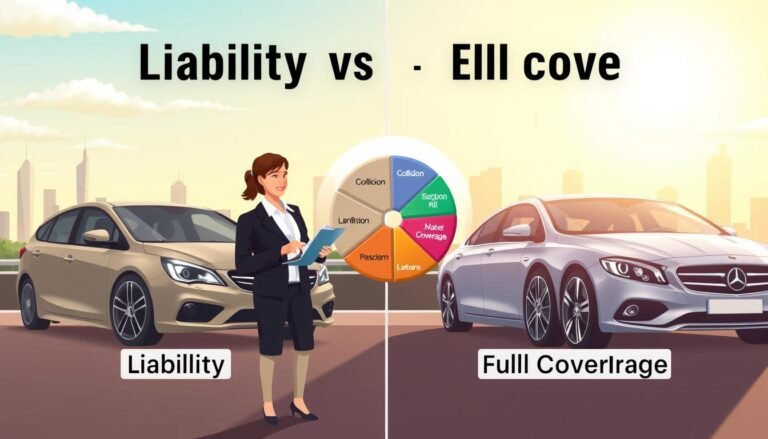
Auto insurance offers several types of protection for car owners. It includes liability for accidents, collision for your car, and coverage for theft or natural disasters. Knowing what each part does helps us pick the best auto insurance for us.
Homeowners Insurance Coverage Options
Homeowners insurance is key for protecting our homes and belongings. It covers damage to the house, liability for accidents, and personal items. Remember, some disasters like floods need extra policies for full protection. It’s smart to check our homeowners insurance options to keep our homes safe.
Strategies for Balancing Premiums and Deductibles
Managing insurance costs is key. We can make smart choices by understanding our options. This helps us fit our insurance to our budget and needs.
Choosing Higher Deductibles for Lower Premiums
Choosing higher deductibles can lower your monthly payments. But, you might have to pay more if you need to make a claim. It’s important to check if you can afford the deductible before making this choice.
Evaluating Your Risk Tolerance
Knowing how much risk you’re okay with is important. Some people prefer lower monthly payments and higher deductibles. Others want to pay less out-of-pocket and choose lower deductibles. Think about how often you might use your insurance and pick a deductible that fits.
Budgeting for Insurance Costs
Understanding all the factors that affect your insurance costs is essential. This includes health or vehicle maintenance costs. By planning your budget carefully, you can manage your insurance costs without stress. A clear budget helps you stay on top of your insurance expenses while keeping you covered.
| Deductible Amount | Monthly Premium | Risk Consideration |
|---|---|---|
| Low Deductible ($250) | $150 | Lower out-of-pocket costs, suitable for frequent claims. |
| Medium Deductible ($500) | $100 | Balanced approach, moderate claims expected. |
| High Deductible ($1,000) | $75 | Lower premiums with risk of higher out-of-pocket expenses. |
Evaluating Insurance Policy Options
When we look at insurance policy options, it’s key to check out different plans. Each person or family has unique needs. Knowing these differences helps us find the best policies. Talking to an agent can also help a lot, giving us good advice.
Exploring Different Insurance Plans
Looking at different insurance plans helps us see what’s out there. We can compare things like health, auto, or homeowners insurance. This way, we pick what’s right for us, matching our needs and budget.
Importance of Consulting with an Agent
Talking to an agent is super helpful in the world of insurance. They know a lot about policies and can find discounts we might miss. Their advice is tailored to us, giving us a personal touch that online info can’t.
Reviewing and Adjusting Your Coverage Needs
It’s important to check and change our coverage as our lives change. Things like getting married, having kids, or buying a new place might mean we need different insurance. By keeping our policies up to date, we make sure we’re covered right, without spending too much.
Conclusion
Understanding the difference between coverage, deductibles, and premiums is key. It helps us make smart insurance choices. By knowing these basics, we can pick policies that fit our needs.
This knowledge lets us build a safety net for life’s surprises. It’s important to keep learning and get advice from experts. This way, we can change our insurance as our needs change.
By focusing on these concepts, we can improve our financial safety. This also brings us peace of mind when facing risks. Let’s work together to find the best insurance for us.
By understanding how coverage, deductibles, and premiums work together, we’re ready for insurance planning. This ensures we have the right protection when we need it most.