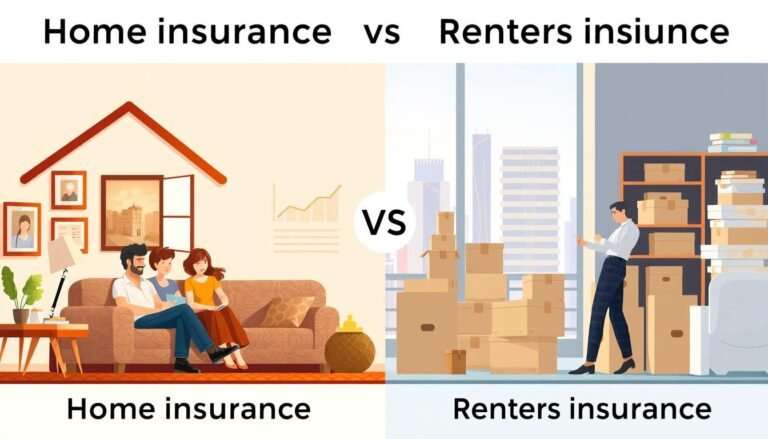

Did you know that about 80% of U.S. homeowners don’t realize how much their stuff is worth? This can lead to a big gap in their home insurance. Knowing what home insurance covers is key to protecting your investment and making sure you’re safe from unexpected events. Home insurance is more than just a rule; it’s a vital financial shield that can prevent big losses.
This guide will walk you through home insurance coverage. We’ll explore the benefits of a strong home insurance policy. And we’ll cover the important things every homeowner should know.
Key Takeaways
- What does home insurance cover includes protection for the structure and contents of your home.
- Home insurance coverage can serve as a critical financial safety net in times of disaster.
- Understanding home insurance policy benefits helps ensure you obtain adequate coverage.
- Many mortgage lenders require proof of home insurance during the home buying process.
- Misestimating the value of your possessions can result in insufficient coverage.
Understanding Homeowners Insurance
Homeowners insurance is key to protecting our biggest investments. It covers financial losses related to our homes. Knowing how important it is helps us make smart choices. This way, we can avoid financial harm from unexpected events.
Let’s explore what homeowners insurance includes. We’ll look at important terms and how to understand claims. This will help us grasp our policy details better.
Definition and Importance
Homeowners insurance protects our homes and personal items from risks like theft and fire. It’s vital for our financial safety. It helps cover repair or replacement costs from unexpected events.
Every homeowner should understand this. A good insurance policy acts as a safety net. It keeps our assets and resources safe.
Key Terms to Know
- Premium: The amount paid for the insurance policy, usually on a monthly or annual basis.
- Deductible: The out-of-pocket expense that must be paid before the insurance coverage applies in the event of a claim.
- Replacement Cost: The amount it would take to replace damaged property with similar new items, without deducting for depreciation.
- Liability Coverage: A component of the policy that protects against legal claims for injury or damage to others while on your property.
- Actual Cash Value: The cost to replace property minus depreciation, which may differ from replacement costs.

What Does Home Insurance Cover?
It’s important for homeowners to understand what their home insurance covers. Home insurance usually includes several types of coverage to protect against different risks. Knowing these categories helps us see the benefits of having the right coverage.
Many things can affect what your home insurance covers. These factors can change the scope and limits of the protection.
Standard Types of Coverage
A typical home insurance policy has several key parts:
- Dwelling Coverage: This part protects the structure of our home from damage, giving us peace of mind.
- Personal Property Coverage: It covers our belongings inside the home, protecting our personal items from loss.
- Liability Coverage: This part helps with legal costs if someone sues us, covering expenses.
Common Events Covered by Policies
Home insurance policies often cover many common events. These include:
- Fire and smoke damage
- Theft or vandalism
- Weather-related incidents like windstorms and hail damage
- Liability for injuries on our property
Dwelling Coverage and Its Importance
Dwelling coverage is key in home insurance. It protects the physical part of our home. This includes walls, roofs, floors, and built-in appliances. It ensures our living space is safe from various risks.
Knowing about dwelling coverage helps us understand our insurance needs better. It gives us peace of mind when damage happens.
What Does Dwelling Coverage Include?
This coverage usually covers:
- Damage from risks like fire, wind, or hail.
- Repairs for built-in appliances and systems, such as heating or plumbing.
- Coverage for extra structures like garages or decks.
Coverage Limits for Dwelling
It’s important to know about home insurance coverage limits. These limits show the most the insurance will pay for repairs or rebuilds after a loss. Several things affect these limits:
- The current market value of the home.
- The cost of local materials and labor.
- The size and features of the home.
Choosing the right dwelling coverage means valuing our property right. It also means thinking about possible repair costs. Knowing about these limits helps protect our finances when unexpected things happen.
Personal Property Coverage Explained
It’s key to know about personal property coverage in a home insurance policy. This part helps protect our valuable stuff from theft, fire, or vandalism. By understanding what’s covered, we can choose the right insurance for our needs.
What Personal Belongings Are Covered?
Home insurance policies usually list what personal property they cover. They protect many items, like:
- Furniture and furnishings
- Electronics such as TVs and computers
- Clothing and personal accessories
- Jewelry, artwork, and collectibles (usually with specific limits)
It’s important to check the policy for limits on expensive items. This helps us decide if we need extra coverage. For more details, look at the full home insurance policy details.
Coverage While Off-Premises
Many people don’t know that personal property coverage goes beyond their homes. Insurance can apply when items are taken elsewhere. Valuables like laptops and cameras might be covered while traveling. But, there are often limits, so it’s good to know what’s covered inside and outside the home.
Liability Coverage: Protecting Your Finances
Liability coverage is key for homeowners to protect their finances. It helps cover damages or injuries caused by household members to others or their property. Without it, unexpected events can lead to big expenses.
What Liability Coverage Entails
Liability coverage in home insurance policies includes several important parts:
- Medical expenses for injuries on our property
- Legal fees for defending against lawsuits
- Costs for repairing damages to others’ belongings
- Coverage limits that differ by policy
Why Liability Coverage is Crucial
This coverage is vital for financial protection. It helps avoid lawsuits and financial stress from accidents. It gives families peace of mind and security.
| Type of Coverage | Description | Typical Coverage Limits |
|---|---|---|
| Medical Payments | Covers minor injuries on your property | $1,000 – $5,000 |
| Personal Liability | Covers damages if you’re responsible for injuries or damages to others | $100,000 – $500,000 |
| Legal Defense Costs | Covers legal fees for defending against lawsuits | Varies, often included within liability limits |
Getting liability coverage is a smart move to protect your finances and enjoy your home.
Exclusions and Limitations in Home Insurance Policies
Home insurance offers a wide range of protections. But, it’s important to know what’s not covered. Understanding home insurance exclusions is key for homeowners. This knowledge helps us make smart choices about extra coverage and protect our homes well.
Common Exclusions: What Isn’t Covered?
Many policies have specific exclusions that can surprise homeowners. Here are some common ones:
- Flood damage, which often needs a separate flood insurance policy.
- Earthquake-related damages, which require extra earthquake insurance.
- Wear and tear or maintenance issues, caused by neglect, not accidents.
- Certain types of mold damage that may need separate coverage.
- Intentional damage or criminal activity on the property.
Understanding Deductibles and Limits
It’s also important to understand deductibles and coverage limits. A deductible is the amount we pay before insurance kicks in. Coverage limits show the max amount insurance will pay for damages. These can vary a lot between policies. Knowing these limits helps us prepare for any financial needs if something happens.
Conclusion
Understanding home insurance is key to protecting our homes and financial futures. We’ve looked at different coverage types and why they’re important. Knowing about liability coverage, exclusions, deductibles, and limits helps us make smart choices.
With these insights, we can feel more prepared and at ease. Knowing what our home insurance policies offer helps us see the protection we have. By staying informed, we can keep our homes safe and our investments secure. This way, we make wise decisions about our insurance.