
Why Choosing the Right Insurance Matters

Did you know that nearly 66.5% of bankruptcies in the United States are linked to medical expenses? This shows how important it is to pick the right insurance. It’s not just about following rules; it’s about keeping our money safe and getting the care we need. Knowing why insurance is key helps us face life’s surprises with more confidence. By choosing our insurance wisely, we build a safety net for ourselves. This net helps us through tough times. Key Takeaways Understanding the connection between medical expenses and financial stability is key. Choosing the right insurance provides protection against unexpected costs. Informed insurance selection leads to improved access to essential services. Proactive engagement in insurance choices fosters greater peace of mind. Proper coverage can significantly reduce long-term financial risks. Understanding the Importance of Insurance Insurance is key to a secure life. It helps keep our finances safe. Knowing its value helps us make smart choices for our families. It protects us from unexpected costs and helps us get the healthcare we need. Financial Protection Against Unexpected Events Insurance is like a safety net. It shields us from accidents, illnesses, and damage. For instance, medical bills can quickly add up, with a hospital stay costing over $30,000. This shows how vital insurance is for our peace of mind and wallet. Those without insurance often face big challenges. They might feel stressed and could end up in debt. Access to Essential Healthcare Services Insurance also means better healthcare access. People with coverage get to see doctors more often. This can catch health problems early, saving money and lives. With insurance, we can get vaccines and screenings. These help keep us healthy and avoid expensive treatments later. So, talking about insurance’s value is important for our health and wallets. Why Choosing the Right Insurance Matters Choosing the right insurance is key for individuals and families. It’s not just about coverage; it’s about financial security and peace of mind. When we pick insurance that fits our values and needs, we feel more confident in life’s ups and downs. Implications for Individuals and Families Choosing the right insurance has big implications for people. Good health and life insurance can protect us from financial shocks, like medical emergencies or losing a loved one. Families gain the most, as they’re not just financially safe but also supported during tough times. Having the right insurance lets families focus on healing and well-being. It keeps them from worrying about money when they need to be strong. Impact on Financial Stability Insurance choices greatly affect our financial stability. Good health insurance keeps us from huge medical bills, which can be overwhelming. Life insurance protects our loved ones if something unexpected happens. Healthcare costs can quickly use up our savings. So, having solid insurance is vital. It helps us stay financially smart and secure. Key Factors in Insurance Coverage Selection Choosing the right insurance is key. We need to look at several factors to make the best choice. This ensures our policy fits our needs and protects us well. Knowing these factors helps us make smart insurance decisions. Assessing Personal Needs and Risks Looking at our health, lifestyle, and family is important. We should think about any risks we or our family might face. This helps us pick the right coverage levels and types. By doing this, we can make sure our policy matches our current and future needs. Evaluating Different Types of Insurance Policies There are many types of insurance, each covering different areas of life. It’s important to look at health, life, and property insurance. This helps us get the right coverage for our needs. Knowing the differences between plans like HMOs and PPOs helps us make better choices. It affects our healthcare and finances. Understanding Policy Terms and Conditions It’s important to understand policy terms and conditions before we buy. Many people miss important details in the fine print. Knowing about premiums, deductibles, and copayments helps us avoid surprises. Understanding these terms helps us manage our costs better. It shows how important choosing the right insurance is for our finances. Type of Insurance Main Purpose Key Factors to Consider Health Insurance Access to healthcare services Network coverage, out-of-pocket costs Life Insurance Financial protection for beneficiaries Coverage amount, premiums, term vs. whole Property Insurance Protection against loss of property Deductibles, coverage limits, contents protection Liability Insurance Protection against legal claims Coverage limits, exclusions, premium costs The Significance of Insurance Choice for Businesses In the business world, choosing the right insurance is key. It helps protect against risks and keeps employees happy and loyal. Knowing how to pick the right insurance is essential for a business to thrive. Protecting Against Liability Risks Liability insurance is vital in today’s world. It shields businesses from lawsuits over negligence or misconduct. This insurance is a must for protecting assets, keeping operations running, and maintaining a good reputation. By picking the right insurance, businesses can avoid big financial hits. This helps them stay strong and keep their reputation intact. Ensuring Employee Well-being and Retention Keeping employees happy is critical for a business’s success. Good health insurance makes employees feel secure and valued. This leads to happier, more loyal workers. Happy employees are less likely to leave. They also work better and miss less work. This boosts the business’s growth. For more on how insurance helps keep employees, check out this resource. Benefits of Choosing the Right Insurance Choosing the right insurance offers big advantages that boost our security and peace of mind. Knowing these benefits helps us make smart choices that fit our needs. Key points include getting full coverage and saving money, which helps our finances. Comprehensive Coverage for Peace of Mind Comprehensive coverage is key for feeling secure. With the right insurance, we can face life’s ups and downs with confidence. It protects us from small and big problems. This lets us grow personally and with our families without worrying about money. Feeling financially safe is vital for our well-being. Cost Savings
When Insurance Claims Matter the Most

Did you know over 1 in 4 insured homeowners file a claim each year? This shows how important insurance claims are. They help us deal with unexpected events that can happen anytime. It’s key for us to know when to make a claim to get the most out of it. By understanding when to file a claim, we can protect our finances and peace of mind. This guide will help you make smart choices about insurance claims. We’ll look at the key times when claims are most important. This way, we can handle the process better and keep our financial stability safe. Key Takeaways Understanding when insurance claims matter is key for financial stability. Over 25% of homeowners file claims each year due to unexpected events. Maximizing insurance claim benefits can give us peace of mind. Navigating the claims process well is vital for the best results. Being ready can make the insurance claims experience better. Understanding the Importance of Insurance Claims Insurance claims are key to managing risks from unexpected events. They offer financial protection when life gets tough. This safety net helps us deal with challenges without financial worry. Financial Protection Against Unexpected Losses Insurance claims protect our assets from sudden losses. Whether it’s natural disasters, accidents, or unexpected events, insurance helps. It covers repair costs or replacements, keeping us stable. How Insurance Claims Provide Peace of Mind Having strong insurance policies gives us peace of mind. It lets us face tough times with confidence. This support keeps our finances safe and our emotional well-being intact during crises. Key Situations When Insurance Claims Matter the Most Knowing when to file insurance claims is key to protecting your money. Some events can really upset your life. It’s important to have the right protection for these times. Here are the main situations where you might need to file a claim. Spotting these moments helps us act fast when we need to. Natural Disasters and Severe Weather Events Natural disasters can cause a lot of damage. Hurricanes, floods, and earthquakes are examples. They show how important it is to have good insurance. Filing claims quickly can help you get back on your feet. It makes it easier to recover after a disaster. Accidents and Liability Claims Accidents happen often, leading to claims. This could be a car crash or damage to someone else’s property. It’s important to know about liability claims. Filing these claims can help avoid big financial problems. It’s a way to handle the costs after an accident. Theft and Burglary Incidents Theft needs quick action to recover what’s lost and feel safe again. If your home is burgled, filing a claim can help replace stolen items. It’s important to do this fast to get back what you lost. How Claims Impact Your Insurance Premium Knowing how claims affect our insurance costs is key. When we file a claim, our insurance company checks it out. This check is important for our future premium costs. Several things can change our rates after a claim. We’ll look at what happens when we file a claim, what affects our rates, and how our neighborhood impacts costs. What Happens After Filing a Claim? After we file a claim, the insurance company looks into it. They decide if the claim is valid. If it is, our premiums might go up, depending on who was at fault and the damage. Knowing this helps us understand how claims can change our insurance costs. Factors Affecting Rate Increases Many things can change our insurance rates. These include: Severity of the Loss: Bigger losses mean bigger premium hikes. Previous Claims History: Too many claims in a short time worries insurers. Type of Coverage: Different policies react differently to claims. These factors mix together to change our premiums over time. This affects how much we spend on insurance. Neighborhood Considerations and Claim Frequency Where we live greatly affects our insurance rates. Places with natural disasters or high crime rates have higher premiums. Insurers look at safety and disaster history in their pricing. Knowing this helps us pick the right coverage and estimate costs better. Best Time for Insurance Claims Finding the best time to file an insurance claim is key to getting the most from your coverage. Knowing when to file can greatly affect your finances. It’s important to compare deductible costs with repair expenses. Understanding When to File a Claim First, check if the damage is more than your deductible. If it is, filing a claim is wise. This way, the insurance company pays most of the cost. But, if the damage is just a bit over the deductible, paying it yourself might be better. This can help keep your insurance costs down. Calculating Your Deductible vs. Repair Costs There are many things to think about when deciding. Here are a few: Scenario Estimated Repair Costs Deductible Amount Action Recommended Minor Damage $300 $500 Pay out-of-pocket Moderate Damage $700 $500 File a claim Significant Damage $2,000 $500 File a claim Extensive Damage $10,000 $1,000 File a claim Understanding these scenarios helps us make smart choices about when to file a claim. Accurate deductible calculations can save us money and reduce stress. This gives us peace of mind when things get tough. Crucial Insurance Claims Process Steps Understanding the insurance claims process is key for a smooth experience. Taking the right steps can greatly improve recovery time and outcome. It’s important to document loss and damage well and communicate effectively with your insurance agent. Documenting Loss and Damage Effectively Starting with solid documentation is vital. We suggest gathering evidence that clearly shows what happened. This includes: Photographs of the damage from multiple angles Receipts for expenses related to repair or replacement Detailed descriptions of lost or damaged items, including purchase dates and estimated values This documentation helps show the extent of the damage. It also helps in getting a fair settlement from the insurance provider. Communicating with Your Insurance Agent Talking well with your insurance agent is just
Insurance Coverage That Brings Peace of Mind

Did you know nearly 40% of Americans can’t handle a sudden $400 expense without borrowing or selling something? This shows how important reliable insurance is. In our world, having enough insurance is key for our money’s safety. This guide will show why insurance is vital, covering options for everyone. We’ll look at how insurance plans help us in tough times. Knowing the value of good insurance is key to protecting what we have. Let’s learn together how to make smart choices for our safety and peace of mind. Key Takeaways Understanding the need for reliable insurance coverage is essential for financial security. Comprehensive insurance plans serve as safety nets in unpredictable situations. Peace of mind insurance policies can reduce stress during emergencies. Informed decisions about coverage enhance personal and family well-being. Exploring various insurance options is critical for optimal protection. The Importance of Reliable Insurance Coverage Understanding different types of insurance helps us make smart choices. Each policy protects us in different ways. For example, auto insurance covers our vehicles, while homeowners insurance protects our homes and stuff. Renters insurance is key for those who rent. By knowing what each policy does, we can find the right coverage for us. This ensures we’re protected from our specific risks. Understanding Different Types of Insurance It’s important to know how each insurance type meets our needs. Here’s a quick guide to the main types: Type of Insurance Primary Purpose Key Benefits Auto Insurance Protects against vehicle-related liabilities Coverage for accidents, theft, and damages Homeowners Insurance Safeguards homes and personal property Covers damages from disasters, theft, and liabilities Renters Insurance Protects belongings in rented properties Covers personal property and liability events Why Reliability Matters in Insurance Reliability in insurance is key to trust. In tough times, we count on our insurance to be there. A trusted provider means we can rely on them to help when we need it most. Insurance Coverage That Brings Peace of Mind Choosing the right insurance is key for feeling secure and at peace. Comprehensive insurance plans are important because they cover risks that regular policies don’t. Knowing about these plans helps us make sure we’re really protected against surprises. The Role of Comprehensive Insurance Plans A comprehensive insurance plan gives you more protection than basic policies. While standard policies handle big risks, these plans cover more. For example, an umbrella policy can give you extra liability coverage, giving you peace of mind when things get uncertain. How Insurance Coverage Protects You Financially Having insurance that protects your finances is vital. It helps you deal with unexpected costs from accidents, medical emergencies, and legal issues. Affordable options like umbrella insurance can offer great coverage for a good price. By getting these protections, we can reduce the risks that could harm our financial health. Finding Affordable Insurance Options Looking for affordable insurance starts with knowing what we need. We should understand our individual and family needs well. This way, we can find budget-friendly options that fit our needs without spending too much. Also, getting discounts from trusted insurance providers can save a lot of money. This is a smart way to cut down on costs. Strategies for Budget-Friendly Insurance Coverage To get affordable insurance, consider bundling policies. For example, getting auto and home insurance together can save money. This is because you often get a discount for having multiple policies. It’s also important to check our policies regularly. This helps us avoid paying for coverage we don’t need. Being active in searching for discounts and using loyalty rewards can also help us find affordable options. Comparison Shopping for the Best Rates Shopping around for the best rates is key in today’s insurance world. Using online tools and talking to local agents helps us compare different quotes and policies. This way, we can choose the best plan for our needs and budget. Peace of Mind Insurance Policies Explained Exploring peace of mind insurance policies means looking at different coverage options. These options are made to give us peace of mind and protect us. Knowing about these options helps us make better choices and feel more secure. Coverage Options That Reduce Stress There are many coverage options that can reduce stress from unexpected events. Here are some key types of insurance: Umbrella Insurance: Offers extended liability protection beyond traditional home or auto policies. Homeowners Insurance: Covers damages to one’s property as well as personal liability expenses. Valuables Insurance: Specialized plans like Nationwide’s Valuables Plus® that protect high-value items such as jewelry and collectibles. These options help protect important parts of our lives. They create a safety net against unexpected events. Features of the Best Insurance for Peace of Mind The best insurance for peace of mind has certain features. These features make the insurance better and more helpful: Clear Communication: Information about policies should be straightforward and easily accessible. Robust Coverage Limits: Policies should provide adequate protection against a range of possible liabilities. Easy Claims Processing: A simple claims process means help is available when we need it most. Knowing about insurance benefits helps us choose the right policy. The right policy fits our budget and keeps us safe. Good protection changes how we handle risks and secure our futures. Insurance Type Coverage Provided Typical Benefits Umbrella Insurance Liability coverage above standard limits Extended protection for added security Homeowners Insurance Property protection and liability coverage Peace of mind regarding home-related risks Valuables Insurance Coverage for high-value items Protection tailored to personal possessions Benefits of Insurance Coverage for Individuals and Families It’s important to know how insurance helps us. It gives us peace of mind and keeps us safe. It’s key for our health and financial security. Financial Security in Case of Emergencies Insurance helps us in tough times. It covers unexpected costs like medical bills or damage to our homes. This way, we can face challenges without losing our financial stability. Health and Well-being Through Coverage Insurance is vital for our health. It lets us get medical care without worrying
How Proper Coverage Protects Your Lifestyle

Did you know nearly 60% of Americans lack enough insurance for unexpected events? This fact shows how important it is to have the right coverage. By getting a good insurance policy, we can follow the law and feel financially secure. It’s key to protect our stuff and handle life’s surprises without losing money. Whether it’s life insurance, health plans, or protection from lawsuits, knowing how coverage works is key. It helps keep our lives stable and safe for our families. Key Takeaways Investing in proper insurance coverage is essential for financial stability. A good insurance policy keeps our assets safe and gives us peace of mind. Life’s unexpected events can hurt our finances a lot without the right coverage. Good insurance helps keep our lifestyle the same, even when things get tough. Protecting our loved ones and future needs starts with the right insurance policies. Understanding the Importance of Insurance Coverage Insurance is key to financial stability. It acts as a safety net, protecting us from big financial hits. It’s a must for keeping our finances safe and our lifestyle intact. Why Insurance is a Critical Component of Personal Finance Security Insurance is vital for personal finance security. It helps us deal with risks like health issues and property damage. For example, homeowners insurance keeps our homes safe from unexpected problems. Types of Insurance: Overview Knowing about different insurance types helps us choose wisely. Here are some common ones: Health Insurance: Covers medical costs, so we don’t face financial trouble when we’re sick. Auto Insurance: Helps with car accident and damage costs. Homeowners Insurance: Protects our homes from damage and theft. Life Insurance: Ensures our loved ones are financially secure if we’re not around. Disability Insurance: Provides income if we can’t work for a long time. By looking into these options, we can find the right fit for our lifestyle and finances. How Proper Coverage Protects Your Lifestyle It’s important to see how insurance affects our daily lives. Having the right coverage helps us keep our lifestyle going and gives us peace of mind. It lets us focus on what’s important without worry. Linking Insurance to Lifestyle Maintenance Insurance acts as a safety net for us and our families. It includes health, home, and auto insurance to protect us from big financial hits. When bad things happen, good coverage helps us avoid sudden changes in our lives. It lets us keep doing what we love and planning for the future without worrying about money. Case Studies of Individuals with Insufficient Coverage Looking at case studies shows why good insurance is key. People without health insurance got hit with huge medical bills after accidents or sickness. Families without life insurance had to make tough choices about money when a main earner passed away. These stories remind us why we need to get the right insurance. It’s about keeping our financial future safe and secure. Key Types of Insurance Everyone Should Consider In today’s world, knowing about different insurance types is key for safety and financial health. Each type has its own role and meets various needs. Let’s look at the main insurance options to help you understand your protection choices. Disability Insurance: Protecting Your Income Disability insurance is vital when illness or injury stops you from working. It helps replace your income, keeping your lifestyle on track while you heal. It’s a big help for those who need their income for daily living costs. Long-term Care Insurance: Safeguarding Your Future Long-term care insurance helps pay for care services like nursing homes or home care. It’s important as we age or face health issues. This insurance ensures you get the care you need without using up your savings or worrying your family. Umbrella Insurance: Adding Extra Liability Protection Umbrella insurance adds extra protection beyond what your regular policies offer. It’s there when claims go over your policy limits, giving you peace of mind. It’s great for those with big assets who want more protection against lawsuits. Life Insurance: Ensuring Financial Security for Dependents Life insurance is critical for protecting your family’s financial future. It ensures your dependents are not left with financial worries if you’re no longer there. This is very important for families that rely on your income, giving them peace of mind in tough times. Type of Insurance Purpose Key Benefits Disability Insurance Income replacement during illness or injury Maintains lifestyle and financial stability Long-term Care Insurance Cover long-term care expenses Relieves financial strain on family and savings Umbrella Insurance Additional liability protection Extra security against lawsuits Life Insurance Financial protection for dependents Ensures stability during loss Assessing Your Personal Risk Management Strategy Creating a solid personal risk management plan is key. We deal with risks every day. It’s important to know our specific needs. Looking at our income helps us understand what we need to protect. This helps us find the right insurance for us. We can then focus on the areas that need more protection. Evaluating Your Income and Financial Needs Looking at our income helps us see our financial situation. Knowing our monthly income helps us spot any gaps. This is important because unexpected things can happen. By looking at our current and future income, we can see where we need more protection. This helps us stay stable, even when things get tough. Customized Coverage: Finding the Right Fit for Your Lifestyle After understanding our financial needs, finding the right insurance is next. Generic plans might not cover what we need. Customized coverage fits our unique situations better. This makes sure we’re protected in the way that works for us. By looking at different plans, we can make choices that fit our lifestyle and risk level. Common Myths About Insurance Coverage Insurance is key to keeping our finances safe. Yet, many myths about it confuse us and lead to bad choices. It’s important to know these myths to protect ourselves and our families well. Misconceptions About Workplace Insurance Some think workplace insurance covers everything. But, it
Why Insurance Reviews Prevent Financial Loss

Did you know nearly 40% of Americans are underinsured? This means they don’t have enough coverage to protect their assets and financial health. Insurance reviews are key to avoiding financial loss. They help us make sure our insurance keeps up with our changing lives. Things like career moves, growing families, and rising property values mean we need to check our insurance every year. It’s important to understand how insurance reviews can protect us. This way, we can have peace of mind and keep our finances safe. Key Takeaways Regular insurance reviews help identify if current policies align with your changing life circumstances. Staying informed about your coverage can prevent gaps that lead to significant financial loss. Annual evaluations allow for adjustments in coverage as income and assets grow. Understanding coverage advantages can enhance overall financial security. Proactive insurance management fosters long-term peace of mind. The Importance of Annual Insurance Reviews It’s key to review your insurance every year. Life changes like getting married, having a child, or starting a new job can change what you need. Knowing these changes helps you get the right coverage without wasting money. Understanding Changing Life Circumstances Our lives change every year, bringing new challenges and risks. Events like: Marriage or divorce Welcoming a new child Relocating for job opportunities Renovating or moving into a new home can affect what insurance you need. By regularly checking these changes, you can make smart choices about your protection. Impact of Not Reviewing Your Policy Not reviewing your insurance can lead to big problems. Without regular checks, you might: Not have enough insurance when you need it Pay too much for coverage you don’t need Miss out on discounts or new policy terms Insurance reviews do more than just adjust your coverage. They give you peace of mind and protect your finances. They help you face risks with confidence. How Insurance Reviews Mitigate Financial Risk Regular insurance reviews are key to spotting gaps in coverage that could lead to financial risks. Our lives change often, affecting our insurance needs. By checking our policies regularly, we make sure we’re covered for unexpected events. This way, we protect ourselves from financial shocks. Identifying Coverage Gaps Life events like getting married, having a child, or buying property introduce new risks. These might not be covered by our current policies. By doing insurance reviews, we find out where we’re not fully protected. This helps avoid expensive surprises later on. Preventing Over-Insurance and Redundant Coverage But, having too much insurance can also be a problem. It can make our premiums too high. A detailed insurance review can show where we have too much of the same coverage. By streamlining our policies, we save money and feel more secure. Why Insurance Reviews Prevent Financial Loss Knowing the value of regular insurance checks is key to keeping our money safe. As our lives change, it’s important to keep our insurance up to date. Looking at case studies and stats shows how these checks can stop big financial problems. Case Studies of Financial Protection Real stories show why insurance reviews are a must. For families, updating life insurance after big life changes, like having a new baby, keeps them protected. Businesses also need to watch out for risks that can pop up unexpectedly. A small company found out that not checking their liability insurance often enough could have cost them a lot. These stories prove that checking your insurance regularly can protect you from big risks. Statistics Highlighting Coverage Gaps Numbers show that many people and businesses are not fully covered. About 60% of people don’t have enough insurance, leaving them at risk in emergencies. For businesses, over 40% find their policies don’t cover common risks, leading to unexpected costs. These numbers tell us to check our insurance often. It helps us feel ready and secure, knowing we’re covered. Insurance Review Best Practices Effective insurance review practices help us secure our financial future. We should schedule annual reviews, considering big life changes like marriage or having children. These events often mean we need to update our coverage. It’s important to talk openly with our insurance agents during these reviews. We can ask about our policies and how life changes affect them. This way, we ensure we’re protected and meet our financial goals. We should gather important documents and coverage details before talking to our agents. Being clear about our concerns and goals helps our agents give us the right advice. Regular policy checks help us stay covered without wasting money. By following these best practices, we’re better prepared for unexpected events. This brings us peace of mind and financial security. Conclusion Our insurance needs change as our lives and financial plans evolve. It’s key to understand how insurance reviews help prevent financial loss. They help us stay ready for unexpected events. Regular reviews let us keep the right coverage. They help us spot gaps and avoid too much of the same. This boosts our financial security and peace of mind. By doing annual reviews and following best practices, we make the most of insurance reviews. These steps keep us in line with our current needs and risks. This approach not only guards our assets but also secures a better future for us and our families. Investing in insurance reviews helps us face life’s surprises better. It ensures our choices are wise and well-thought-out. Let’s make regular insurance reviews a key part of our financial plans. FAQ Why are annual insurance reviews important? Annual insurance reviews are key. They make sure your policies match your current financial state and life changes. Things like income growth, career shifts, bigger families, and more assets mean you need to check your coverage often. This helps avoid gaps or too much insurance. What financial risks can be mitigated through insurance reviews? Insurance reviews help spot gaps in coverage. These gaps can come from changes in family, income, or assets. By checking your policies often, you can avoid big financial losses
Safeguard Your Finances with Income Protection

Did you know almost 1 in 4 Americans will face a disability during their working years? This is a shocking fact that shows how vital it is to protect your income with insurance. Health problems, injuries, or accidents can stop us from working, leaving us at risk of financial trouble. Bills like rent, mortgages, utilities, and groceries can pile up fast. In this article, we’ll explore income protection insurance and why it’s key to keeping your finances safe when you can’t work. Knowing how to protect your income is critical for long-term financial security and peace of mind. Key Takeaways Income protection insurance is essential for financial stability during unexpected life events. Almost 25% of Americans will face a disability during their careers. Monthly expenses can escalate without a continuous income stream. Understanding insurance options can ensure better protection for you and your family. Investing in financial security insurance offers peace of mind and preparedness. Understanding Income Protection Insurance Income protection insurance is key to keeping our finances stable when health issues strike. It gives us regular payments if we can’t work due to illness or injury. This way, we can handle our bills while we get better, keeping our lives on track. What is Income Protection Insurance? This insurance helps replace a big part of your income, usually 50-70%. It lets you keep up with your bills. The payments keep coming until you’re back at work or the policy ends. Knowing how it works helps us face future health challenges better. How Income Protection Differs from Disability Insurance Income protection and disability insurance both help when we can’t work. But they differ. Disability insurance focuses on specific disabilities. Income protection covers a wider range of health issues that stop us from working. So, income protection is a vital part of our financial plans. Importance of Income Replacement for Financial Security Having a steady income is key to keeping our lifestyle and meeting our financial duties when things get tough. It lets us heal without worrying about money. With strong income protection, we can support ourselves and our families, keeping our financial future safe. Type of Insurance Coverage Type Payment Duration Income Protection Insurance 50-70% of pre-tax income Until recovery or policy term ends Disability Insurance Specific disabilities only Varies by policy Types of Disability Insurance Available in the U.S. In the United States, there are two main types of disability insurance. These are short-term and long-term disability insurance. Each type has its own benefits and time frames. They both help protect your income, but in different ways. Short-Term Disability Insurance Explained Short-term disability insurance covers a part of your salary for a short time. This usually lasts from three to six months. It’s meant to help you financially while you recover from temporary issues like surgeries or serious illnesses. This insurance gives you financial support right away. It lets you focus on getting better without worrying about money. Long-Term Disability Insurance and Its Benefits Long-term disability insurance, on the other hand, covers you for a longer time. It can last for years or even until you retire. This insurance is key for protecting your income against serious health problems that might keep you from working forever. It makes sure you keep a good financial base during tough times. Comparing STD and LTD Coverage Feature Short-Term Disability Insurance Long-Term Disability Insurance Coverage Duration Up to 6 months Several years or until retirement Income Replacement 60% – 80% of salary 50% – 70% of salary Waiting Period 7 – 14 days 30 – 90 days Ideal For Temporary disabilities Long-term disabilities Knowing the differences between short-term and long-term disability insurance is important. It helps us make smart choices to protect our income when we need it most. Protecting Your Income Through Insurance To protect our income, we need a solid plan. This plan involves choosing the right insurance for our needs. Insurance acts as a safety net, keeping us financially stable when unexpected things happen. Building a Comprehensive Income Protection Strategy Creating a strong income protection policy is key. We should look at different types of protection and how much of our income it covers. Aiming to replace 60% of our income helps us meet monthly bills without financial stress. It’s important to find a policy that matches our personal situation and boosts our financial security. Incorporating Additional Insurance Products for Increased Coverage Adding other insurance products can strengthen our financial safety. Critical illness coverage helps when serious health problems arise. Life insurance is also vital, helping families if the main breadwinner is no longer able to work. This multi-layered approach prepares us for any income disruptions life may bring. Understanding Income Replacement Percentages Knowing about income replacement percentages is essential. Insurance experts suggest covering 60-70% of our income. This ensures we can live comfortably without taking too much risk. Getting informed about our needs helps us build a strong income protection plan. For personalized quotes, check out Disability Insurance Quote and Critical Illness Insurance Quote. Other Financial Instruments for Income Protection Exploring different financial tools can boost our income protection plans. Critical illness insurance is a key addition. It offers a lump sum when serious health issues arise. This helps cover medical costs without harming our financial health. Critical Illness Insurance Overview Critical illness insurance helps manage the financial stress of serious health problems. It gives a lump sum payment at diagnosis. This lets policyholders focus on getting better without worrying about medical bills. This insurance also helps replace lost income during treatment. It’s a big relief during tough times. Life Insurance as a Component of Income Protection Life insurance for income protection is different from critical illness insurance. It ensures financial security for loved ones if the policyholder dies. The money from life insurance helps keep their standard of living and covers ongoing expenses. When to Review Your Income Protection Strategy It’s important to regularly check if our income is well-protected by insurance. Big life events often make
Insurance Planning for Families and Businesses

Did you know that nearly 41% of U.S. households would struggle financially within six months if the main breadwinner died? This shows how important it is to have good insurance plans for families and businesses. In today’s world, it’s key to have financial protection with the right risk management solutions. We are all about giving clear insurance solutions to protect families and businesses. Our goal is to make sure you have long-term security and peace of mind. We help you understand the many insurance options out there. In this guide, we’ll look at different insurance types, figure out what you need, clear up common myths, and give you tips to build a strong financial base. Key Takeaways Insurance planning is vital for financial stability. Proper coverage can mitigate risks for families and businesses. Understanding different insurance types is key. Regularly checking your insurance is a must. Clearing up misconceptions helps in making smart choices. Understanding the Importance of Insurance Planning Insurance planning is key for families and businesses. It helps us prepare for unexpected events. With the right insurance, we can feel secure, even when things get tough. Financial Protection for Families Families often face sudden costs, like medical bills or damage to their homes. Planning for insurance helps protect against these surprises. Health, life, and homeowner’s insurance are vital for keeping families stable. By looking at our specific needs, we can choose the best insurance. This ensures we’re fully protected. Mitigating Risks for Businesses For businesses, good insurance planning is essential. They face risks like legal issues and losses due to key staff leaving. Using risk management, we can find and cover these risks. Liability, property, and employee insurance are all important. A proactive approach helps keep our investments safe and our business stable. Types of Insurance for Family Needs Choosing the right insurance is key for protecting your family. Knowing the different options helps keep your finances safe from unexpected events. This part talks about life, disability, and long-term care insurance, showing why they’re important for families. Life Insurance: A Safety Net for Loved Ones Life insurance is a vital financial safety net for families. It ensures dependents get financial help if a loved one passes away. There are two main types: term and permanent life insurance. Term life insurance covers you for a set time, with lower premiums. Permanent life insurance lasts your whole life and also has a cash value part. Disability Insurance: Safeguarding Against Income Loss Disability insurance is key for keeping income safe, in case of injury or illness. It gives a steady income when you can’t work. There are two main types: short-term and long-term disability insurance. Short-term disability covers income loss for a few months. Long-term disability can last years or until retirement. Picking the right policy keeps your family financially safe during tough times. Long-term Care Insurance: Planning for Future Needs As people get older, healthcare needs grow, making long-term care insurance important. It covers healthcare costs, like in-home care or assisted living. Planning for these costs now can ease financial stress and give peace of mind. Insurance Type Purpose Coverage Length Common Cost Structure Life Insurance Financial support for dependents Term (fixed period) / Permanent (life) Monthly premiums based on coverage Disability Insurance Income protection during inability to work Short-term (months) / Long-term (years or until retirement) Monthly premiums based on salary Long-term Care Insurance Covers healthcare services for aging Lifetime or until benefits are exhausted Monthly premiums based on age and health Planning for family insurance helps find the best options for you. Looking at these types of insurance helps you protect your family’s finances for the long term. Types of Insurance for Business Needs When planning for business insurance, it’s key to look at different types. These can greatly affect a company’s stability and growth. We can use strategies to protect money, keep operations running, and make sure employees are happy. Key Person Insurance: Protecting Critical Roles Key person insurance helps protect a business from losing important people. It pays out if a key person can’t work anymore. This helps the business stay on track and grow. Buy-Sell Agreements: Ensuring Business Continuity Buy-sell agreements are important contracts for business. They show how to share ownership when someone leaves. With life insurance, they help partners buy out the departing one’s share. This keeps the business stable during changes. Life Insurance as an Employee Benefit Life insurance benefits help attract and keep employees. It gives them security for their families. This shows the company cares about its workers, making them more loyal and engaged. Insurance Planning for Families and Businesses Planning for insurance needs a careful look at what families and businesses require. A good plan covers the basics and also the special needs of each group. It’s about making sure everyone gets the right financial protection. As life and business change, so should our insurance plans. Regular checks and updates are key to keeping everyone safe. Comprehensive Insurance Strategies For families, life insurance and disability plans are key. They offer protection against unexpected events. Businesses, though, need special coverage like key person insurance and buy-sell agreements. These help protect their interests. Tailored Insurance Options for Unique Situations We focus on making insurance plans that fit each client’s needs. We look at their goals, how much risk they can take, and their budget. This way, we make sure families and businesses get the right protection. Insurance Type Target Audience Primary Benefit Examples of Coverage Life Insurance Families Financial security for beneficiaries Term, Whole, Universal Disability Insurance Families/Individuals Income protection during incapacitation Short-term, Long-term Key Person Insurance Businesses Protection against loss of key employees Life, Disability Buy-Sell Agreements Business Partnerships Ensures smooth transition of ownership Life Insurance as funding mechanism Evaluating Insurance Coverage Needs It’s important to understand all types of insurance for personal and business safety. We need to look at family risks and business exposures. This helps ensure we get the right protection for our unique situations. Assessing
How an Insurance Advisor Helps You Make Better Decisions

Did you know that nearly 60% of Americans feel overwhelmed when choosing the right insurance? Insurance is more than just a financial product. It’s a key part of protecting our lives and assets. An experienced insurance advisor is essential in guiding people, families, and businesses through their insurance needs. They offer important guidance on insurance policies. They teach clients about their options and help them make smart choices. The goal is to ensure clients get the right protection for their unique situations. This leads to better financial security and peace of mind. Key Takeaways Insurance advisors help navigate complex coverage options and policies. They tailor strategies to meet individual and business needs. Their insights lead to informed financial decisions. Working with an advisor enhances overall peace of mind. They can save clients money and time on their insurance solutions. Receiving expert advice insurance ensures better financial security. Connecting with an advisor can start with a free quote, like insurance bond quote. The Role of an Insurance Advisor in Decision-Making Understanding your unique needs is key in insurance decision-making. Every person or business has different needs based on their life, money goals, and dreams. Working with a financial protection advisor helps you share these needs. This leads to insurance plans that fit your life perfectly. Understanding Your Unique Needs An expert insurance advisor really gets to know you and your goals. They talk openly to find out what’s important to you, like your life stage and family. This helps them suggest the right insurance for you, making you feel safe and sure about your choices. Providing Expert Insights on Coverage Options An insurance advisor brings a lot of knowledge to the table. They help you understand different insurance options, like business insurance quotes, home insurance, and health insurance quotes. Their advice helps you make smart choices, giving you peace of mind for you and your family. How an Insurance Advisor Helps You Make Better Decisions Dealing with complex insurance policies can be tough for many. An insurance advisor helps clients through this tough spot. They make the confusing world of insurance clearer and easier to handle. They help clients understand the details of different policies. This lets clients make choices that fit their needs perfectly. Navigating Complex Insurance Policies Many people get lost in the sea of insurance options. An insurance advisor breaks down policy details for clients. They make sure clients know what their coverage includes and what it doesn’t. This deep understanding is key when looking at deductibles, coverage levels, and policy limits. Evaluating Risk Assessment and Premiums Choosing the right insurance starts with understanding risks. Our advisors look closely at each client’s situation. They find out what risks might affect their insurance needs. By doing this, clients can pay the right amount for their coverage. This shows how advisors help clients make smart choices based on facts. Offering Tailored Financial Protection Strategies Every client is different, needing their own financial protection plan. Our consultants create plans that match each client’s goals and budget. This approach not only boosts security but also highlights the benefits of working with an advisor. Insurance advisors give clients the tools to make smart choices. They help clients feel more in control and confident. Insurance Advisor Benefits for Individuals and Businesses Working with an insurance advisor offers big benefits for both people and companies. They help us get the most value and save money. Their knowledge helps us make smart choices about insurance that meets our unique needs. Saving Money and Time on Coverage One key benefit is saving money on insurance. Advisors know how to compare different providers to find the best deals for us. They spot hidden discounts and options we might miss, leading to big savings. Receiving Personalized Guidance Throughout the Process Getting personalized advice is a big part of what an advisor does. They help us understand policy details and navigate complex terms. Their support ensures we make informed choices, leading to better protection for us. Choosing the Right Insurance Advisor for Your Needs Finding the right insurance advisor is key in the complex world of insurance. Start by checking their qualifications to ensure they are legit and know their stuff. Licensed pros have the right credentials to help you with insurance. Knowing this makes you feel good about your choice for expert advice. Identifying Qualifications and Licensing Before picking an insurance advisor, check their qualifications carefully. Here’s what to look for in a trustworthy advisor: Valid insurance licenses for specific areas of expertise Educational background and ongoing professional development Membership in relevant professional organizations Checking these things can help you feel more confident in your choice. Understanding Their Range of Services Insurance advisors offer different services based on what you need. Knowing what they can do helps you see if they’re a good fit. They might help with: Insurance policy analysis and recommendations Claims support and guidance Risk assessment and management strategies This way, you can make choices that really work for you. Assessing Compatibility and Communication Style Choosing the right advisor also means finding someone you get along with. A good relationship means you can talk openly. Look for advisors who: Respond quickly to your questions and worries Can explain complex insurance stuff simply Listen to what you need and want Conclusion Working with a skilled insurance advisor can really help us make better choices. They take the time to understand what we need. Then, they guide us to the best insurance plans for us. This makes finding the right insurance easier. It helps us reach our financial goals. It’s all about making smart decisions for our future. But it’s more than just picking a policy. It’s about feeling safe and secure. When we work with an advisor, we get the support we need. This helps us make choices that are right for us. So, let’s see the value in working with an insurance advisor. It’s key to getting the insurance we need. It gives us peace
Switching Insurance Providers: The Money-Saving Hack

Did you know that about 70% of people are paying too much for insurance? Switching providers can help you save money and get better coverage. With insurance costs going up, it’s smart to look for better deals. Changing insurance companies can save you money and give you the right coverage. By looking for competitive offers, you can make smart financial choices. This way, you get the best protection for your needs. At Hhas Insurance, we suggest you check your current policies. Think about how switching could help your finances. The next parts will show you the benefits of making this change. Key Takeaways Most consumers are paying more than necessary for insurance. Switching providers can lead to better coverage and lower costs. Staying loyal out of habit may not serve your financial interests. Monitoring insurance offers regularly is key for savings. Informed decision-making can boost your protection and security. Understanding the Benefits of Switching Insurance Providers Switching insurance providers can be a smart move for our finances. It lets us control our insurance costs and choices better. Exploring Possible Cost Savings Switching can save us a lot of money. Many companies offer great deals to get new customers. These deals can lower our insurance costs a lot. This way, we can save money and maybe even cut down on what we spend elsewhere. Getting Better Coverage Switching also means we might get better coverage that fits our needs. We can compare our current coverage to what’s out there. This way, we save money and get the protection we need. We might find services and solutions that give us peace of mind. This was something we might have been missing before. Finding the Best Rates By comparing insurance quotes, we can find the best rates. This helps us get lower premiums and pushes insurers to offer better deals. Looking at different quotes helps us make smart choices that can save us money in the long run. Why Switching Insurance Providers Can Save You Money Staying with the same insurance company might seem smart. But, it can lead to unexpected costs over time. New customers often get better rates, leaving long-time clients with higher bills. This shows why it’s key to look for ways to save on insurance. Breaking Down the Costs of Loyalty Sticking with one company for years can make your premiums go up a lot. New customers get great deals, but those who stay longer face rate hikes. This can make staying loyal expensive. It’s important to think about switching to save money. Understanding Price Optimization Models Insurance companies use special models to set prices. These models look at many things, like how you act and the market, to decide rates. Knowing how these models work can help you find better deals. It lets you fight for lower premiums and better coverage. Steps to Effectively Switch Insurance Providers Switching insurance providers can seem daunting, but a clear plan makes it easier. First, we gather all the details about our current policy. This step is key to knowing what we need to keep and where we can save money. Next, we look at insurance quotes from different companies to find the best deals. Gathering Your Current Policy Information To switch wisely, we need to know our current policy inside out. We look at premiums, deductibles, and coverage limits. This knowledge helps us see if a new policy offers the right balance of cost and protection. Researching and Comparing Insurance Quotes Getting multiple quotes is a must for finding good deals. This research helps us understand the market and find cheaper options. It also shows us how different policies can improve our current coverage. Analyzing Coverage Options Before Making the Switch Before we switch, we need to compare all the coverage options. The cheapest option might not always be the best. We must choose a policy that fits our needs and goals, ensuring we don’t lose important benefits in the process. Exploring Discounts and Other Savings Opportunities Looking for ways to cut down on insurance costs can really help. By checking out available discounts, we can find great deals. This way, we get good coverage without spending too much. Bundling Policies for Additional Discounts One smart move is to bundle your insurance. For example, getting home and auto insurance from the same company can save you a lot. Companies like State Farm and Allstate offer big discounts for this. It makes managing your insurance easier and can give you better coverage. Utilizing Loyalty Benefits Wisely It’s also important to look at loyalty benefits from your current insurer. Companies like Geico and Progressive give rewards to long-term customers. Knowing about these benefits helps us decide if it’s worth sticking with our current insurer or switching for better savings. Insurance Company Bundling Discount Loyalty Benefits State Farm Up to 25% 5% off after 3 years Allstate 10-25% based on policies 3% off for each year with no claims Geico Up to 20% Loyalty discounts available after 5 years Progressive 10% average Discounts for renewing policies When is the Best Time to Change Insurance Companies? Choosing the right time to switch insurance can greatly impact our experience. It’s important to look for major life changes and policy renewals to know when to switch. Recognizing Major Life Changes as Triggers Life’s big milestones often make us rethink our insurance. Events like marriage, moving, or having a child are great times to check if our current insurance fits. These changes can also change our risk level, so it’s key to have the right coverage. Timing Your Switch with Policy Renewals Switching insurance at renewal times can be smart. It helps avoid coverage gaps or early termination penalties. By timing our switch right, we can get better rates or coverage that fits our new needs. Major Life Changes Insurance Considerations Actions to Take Marriage Possibility of bundling policies Review joint coverage options Moving Changes in local regulations and rates Obtain quotes from local insurers Having Children
Signs You Need Better Insurance Coverage
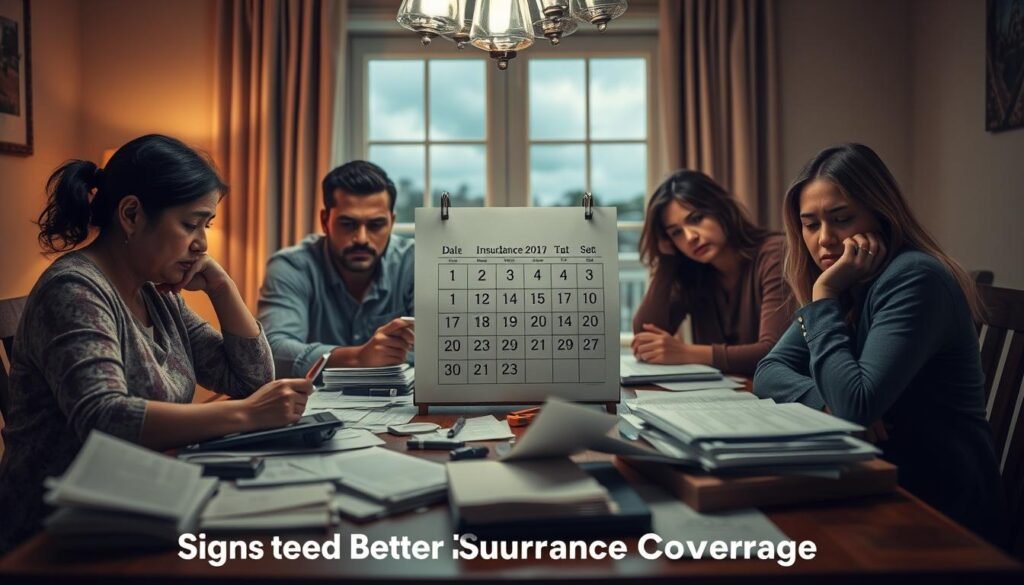
Did you know that nearly 70% of Americans feel underinsured? They don’t know about the gaps in their policies. As we go through life, having good insurance is key. Knowing when you need better coverage can protect your assets and give you peace of mind. Understanding your insurance needs is critical. It’s not just a task; it’s essential for your financial safety. In this article, we’ll explore signs that show you might need better insurance. By spotting these clues, you can make smart choices. You might even need to upgrade your policy. Taking action to improve your coverage can make a big difference in your security and peace of mind. Key Takeaways Recognize the necessity of reviewing your insurance policies regularly. Be aware of high premiums with low utilization as a warning sign. Understand how major life events can alter your insurance needs. Acknowledge when preventive care payments indicate inadequate coverage. Evaluate customer service experiences as part of your overall satisfaction. Understanding Your Current Insurance Needs It’s key to know what insurance we need now. This ensures we have the right coverage for our lives. Regular checks help us see if our health, money, lifestyle, or family have changed. These changes can really affect what insurance we need. It’s smart to check our coverage often. This way, we avoid financial trouble or losing important things. Signs You Need Better Insurance Coverage Knowing when you need better insurance is key to keeping your finances safe. High premiums and not using your insurance are big signs. Let’s look at these signs more closely. High Premiums With Low Utilization It’s important to check how much we pay for insurance versus how much we use it. If we’re paying a lot and not using it much, it might be time to rethink our policy. This helps us avoid spending too much on something we don’t really need. Frequent Out-of-Pocket Expenses When we keep paying out of pocket, it might mean our insurance isn’t covering enough. If these costs are too high, it’s time to look at our insurance again. We want a plan that fits our health needs without breaking the bank. Life Changes Impacting Insurance Necessities Life is full of changes, each with its own challenges and responsibilities. These changes can greatly affect our insurance needs. When big life events happen, it’s time to check if our insurance is up to date. Thinking about these important moments helps us make smart choices about our insurance. This ensures we’re covered as our lives change. Major Life Events and Insurance Adjustments Big milestones like getting married, having a child, or switching jobs can change our insurance needs. Each event requires us to think about our coverage. For example, having a child might mean we need more life insurance and health plans. New Responsibilities and Increased Risks When we take on new roles, we face more risks. Getting a promotion can change our income, which might mean we need to adjust our insurance. Buying a home or starting a business also means we need more protection. Looking at our new responsibilities helps us protect our assets. It ensures our loved ones are safe, no matter what life brings. Reassess life insurance on marriage to include spouse Adjust health insurance to accommodate growing families Update homeowners or renters insurance after buying property Consider additional liability coverage with new business ventures By understanding our insurance needs, we can handle the complexities of coverage. This way, we ensure we and our families are protected as we move through life’s changes. Inadequate Coverage Indicators It’s key to spot signs of inadequate insurance coverage to keep our finances safe. If we’re often paying for care that should be covered, it might mean our policy is outdated. Knowing these signs helps us make sure we get all the benefits we should. Paying for Preventive Care Paying for preventive care ourselves is a warning sign. Preventive care should be part of a good policy. It’s important to check if our plan covers the recommended services to avoid big health problems. Confusing Policy Terms and Gaps in Coverage Dealing with unclear policy terms can mean our coverage is lacking. If we can’t understand our policy, we might miss out on important protection. A clear policy means we’re well-protected and know what’s covered. Health Status Changes and Coverage Reevaluation Our health status is key in figuring out the insurance we need. When our health gets better or we get new diagnoses, we might need to change our insurance. This can affect how much we pay for coverage. Improving Health and Possible Premium Reductions Working on our health can lower our health status and insurance costs. Many insurers offer health improvement premium reductions for healthier lifestyles. Checking your policy could save you money, helping with future financial plans. New Diagnoses Requiring Enhanced Coverage New health issues can also raise challenges. It’s important not to ignore new diagnoses coverage needs. If your health needs more care, update your insurance. This keeps you covered and meets your medical needs. Customer Service and Provider Performance Choosing the right insurance provider is all about customer service. We must find a company that offers top-notch policies and excellent insurance customer service quality. Good communication is key to making smart choices and getting the help we need. Customer Support Concerns Spotting poor support can help us pick better insurance. Here are some customer service tips to keep in mind: Response times: Quick answers to our questions are important to avoid frustration. Accessibility: Having many ways to get help, like phone, email, and live chat, is beneficial. Claim handling: Fast and smooth claim processing is a big satisfaction factor. Feedback responsiveness: Companies that listen and act on feedback show they care about their customers. When we look for insurance, evaluating providers is essential. By focusing on those that value customer support, we protect our interests. This way, we get the help we need. Conclusion It’s key to know when we need better