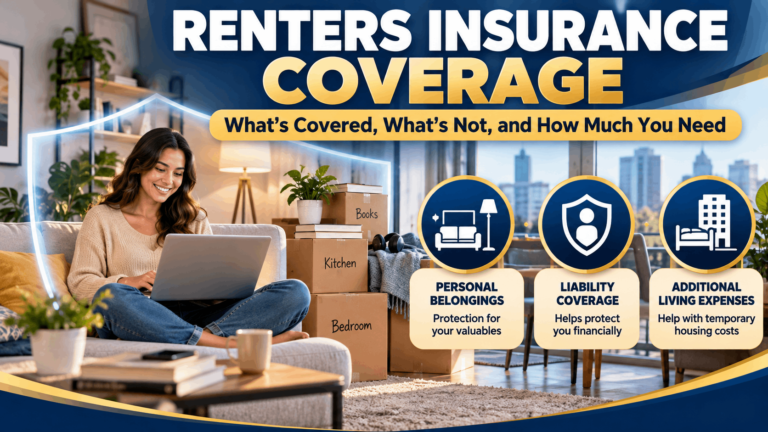

Did you know nearly 60% of homeowners in the U.S. are underinsured? This is a big problem. It shows how important it is to have enough insurance to protect us from disasters. If we don’t have enough, we can face big problems when emergencies happen.
It’s key to check our insurance often. We need to know what it covers and how much. We also need to think about risks we might not see coming. By doing these things, we can make sure we’re safe and secure.
Key Takeaways
- Assess the adequacy of current insurance coverage regularly.
- Understand the risks associated with being underinsured.
- Utilize tools like rebuilding cost calculators for accurate coverage.
- Consult with insurance professionals for customized advice.
- Create and maintain an accurate home inventory list.
- Shop around for multiple insurance quotes to find the best fit.
Understanding the Risks of Underinsurance
Underinsurance poses serious risks to both individuals and businesses. It can lead to lower payouts or even claim denials. This can cause severe financial problems during tough times. We need to understand the financial effects of underinsurance and why it happens.
The Financial Impact of Being Underinsured
The effects of underinsurance can be immediate and long-lasting. When a loss happens, the lack of coverage is clear. This leaves individuals and businesses with extra costs they can’t afford. Opting for lower coverage might seem smart, but it’s risky.
Underinsurance can lead to:
- Not being able to rebuild or replace damaged property.
- Having to pay out of pocket for costs that insurance doesn’t cover.
- Legal and liability issues due to not having enough coverage.
Common Causes of Underinsurance
Knowing why underinsurance happens can help us avoid it. Several reasons contribute to this problem:
- Not updating insurance valuations often, leading to a mismatch between property value and coverage.
- Policies may have exclusions that limit coverage without the policyholder’s knowledge, creating gaps.
- Choosing low premiums over enough coverage can leave policies lacking when needed.

Assessing Your Current Insurance Coverage
It’s key to check your insurance coverage often for your financial safety. By doing this, we make sure our policies match our current needs and the market. We must look at how much coverage we have for our homes. This is because local building costs can change a lot.
Evaluating the Adequacy of Dwelling Coverage
To check if our home coverage is enough, we need to think about a few things. These include how old our home is, what materials are used locally, and the cost of labor. By really looking into these, we can make sure our coverage is up to date. This helps protect our investment and gives us peace of mind.
Understanding Replacement vs. Market Value
It’s important to know the difference between replacement cost and market value. Replacement cost is what it would take to build our home again, using the same materials and standards. Market value is what our home might sell for today, based on where it is and demand. Choosing replacement cost for our coverage means we can rebuild our homes fully, if needed.
How to Avoid Being Underinsured
To protect yourself and your assets, it’s key to avoid being underinsured. Knowing your insurance needs well can help keep your finances safe.
Using a Rebuilding Cost Calculator
A rebuilding cost calculator is a great tool for figuring out how much insurance you need. It helps homeowners estimate the cost to rebuild their homes. This includes current market values and labor costs.
These costs can change a lot, so it’s important to keep up with them. Knowing the real cost to rebuild helps us plan better. This way, we can make sure we have enough insurance.
Consulting with Insurance Professionals
Talking to insurance experts is very helpful. They can explain policy details and what coverage you really need. They help us understand our specific needs better.
This teamwork helps us get the right coverage. It also lowers the risk of being underinsured.
Checking your insurance needs regularly is smart. It keeps you safe and secure. If you want help, getting a free homeowner insurance quote is a good first step. Visit this link to start.
Steps to Ensure Adequate Insurance
Ensuring we have enough insurance is key to protecting our property and finances. This guide will show you how to get a policy that fits your needs perfectly.
Step 1: Assess Rebuilding Costs
It’s important to regularly check how much it would cost to rebuild our homes. We should look at the prices of materials, labor, and any changes in the local market. This helps us make sure our insurance covers us fully, even in unexpected times.
Step 2: Consider Extended or Guaranteed Replacement Coverage
Getting extended replacement cost coverage is a smart move. It lets us rebuild our homes, even if it costs more than our policy. This is very important, as it helps us deal with rising construction costs or other unexpected expenses.
Step 3: Verify Policy Inflation Guard
It’s also important to check if our insurance has an inflation guard. This feature keeps our coverage up to date by adjusting it as rebuilding costs change. By making sure this is in our policy, we can be sure our insurance stays strong as costs rise.
The Importance of Home Inventory
Keeping a home inventory is key to protecting our belongings. It helps us get ready for unexpected events like theft, fire, or natural disasters. A detailed inventory makes it easy to document and find information about our stuff. This is super helpful when we need to make claims.
Creating an Accurate Home Inventory List
When making a home inventory list, do it step by step. List every valuable item, like furniture, electronics, clothes, and collectibles. Taking photos and saving receipts proves we own them and helps figure out how much insurance we need. Using apps or software can make this easier.
Estimating the Value of Personal Possessions
Getting the value of our belongings right is key to having enough insurance. We should look up current prices and get appraisals for expensive items. This way, we avoid being underinsured, which can cause big financial problems later. Being ready today means we can handle unexpected costs with confidence.
| Item Type | Estimated Value | Condition |
|---|---|---|
| Electronics | $1,500 | Good |
| Furniture | $2,000 | Fair |
| Collectibles | $800 | Excellent |
| Clothing | $500 | Good |
Addressing Insurance Gaps for Your Home
When we look at our homeowners insurance, it’s key to cover all bases. Knowing what’s not covered and the limits of our policy helps us avoid surprises. It’s also important to make sure we’re covered for living expenses if our home is not safe to live in.
Understanding Policy Exclusions and Limits
Every policy has its own list of things it won’t cover. These exclusions can lead to big financial losses if we don’t know about them. It’s important to understand these to avoid gaps in our insurance.
For example, damage from natural disasters might not be covered by default. We might need to add extra coverage for that.
Identifying Coverage for Additional Living Expenses
If our home is not safe to live in, we need coverage for living expenses. This helps pay for things like hotels and food while we wait for repairs. Checking the limits of this coverage ensures we can handle the situation without financial worry.
Shopping for Insurance: Finding the Right Policy
Shopping for insurance is key to getting the right coverage. By comparing quotes, we can find the best policy for us. This gives us peace of mind and financial security.
The Benefits of Comparing Multiple Quotes
Comparing insurance quotes has many benefits. Getting multiple quotes helps us:
- Find the best prices and terms, so we don’t spend too much.
- See the different coverage options from various providers.
- Discover discounts or bundled deals that can save us money.
- Get better deals by negotiating with insurance companies.
Working with Insurance Brokers for Better Coverage
Working with insurance brokers is also beneficial. Brokers know how to navigate insurance policies. They help us:
- Understand policy language, making better choices.
- Spot coverage gaps we might miss on our own.
- Get quotes from many insurance companies, not just one.
- Get advice that fits our specific needs and situation.
Conclusion
Understanding insurance basics is key to avoiding underinsurance. Having enough insurance protects us from sudden financial losses. It’s important to check our insurance needs often as they can change.
Getting the right insurance isn’t just a one-time thing. It’s an ongoing process. We need to update our policies when our personal situation, property value, or market changes. This way, we can avoid financial surprises.
In the end, making smart insurance choices gives us peace of mind. We should always check if our insurance is enough. This way, we can face life’s challenges with confidence and security.